Written by Melissa Dooley, GastroLife

This article reflects the opinions of a healthcare professional. The views expressed are their own. The intended use for the GastroCH4ECK® is to aid in the diagnosis of the following disorders:

Advancing the future of hydrogen-methane breath testing
  • Lactose Intolerance,
  • Small Intestinal Bacterial Overgrowth (SIBO).

Each year on the 29th of May, World Digestive Health Day highlights the importance of gastrointestinal wellbeing. It is also an opportunity to reflect on how innovation continues to improve the assessment of digestive disorders.

Over the past two years, I have contributed to Bedfont® Scientific’s World Digestive Health Day publications. In 2024, we explored the importance of structured investigation and the risks of self-diagnosis in digestive health1. In 2025, Bedfont® examined the science behind hydrogen-methane breath testing (HMBT)2 and its role in identifying small intestinal bacterial overgrowth (SIBO) and carbohydrate malabsorption.

In 2026, we are looking at progress, for example, how HMBT has evolved, and how diagnostic technology such as the GastroCH₄ECK® is advancing non-invasive gut diagnostics.

The Evolution of HMBT

Historically, SIBO diagnosis relied on jejunal aspirate culture. This is an invasive, technically demanding, impractical procedure in routine care, and not cost-effective. Breath testing emerged as a patient-friendly test for diagnosing small intestinal bacterial overgrowth and carbohydrate malabsorption, though early adoption was limited by a lack of standardisation.

The publication of the North American Consensus in 2017 outlined recommendations around preparation protocols, substrate dosing and diagnostic thresholds.3 This was reinforced by the American College of Gastroenterology (ACG) Clinical Guideline in 2020, which formally recognised breath testing as a clinically appropriate tool in selected patients.4

These publications moved breath testing into a supported, structured diagnostic approach (provided that testing is carried out using recommended protocols, reliable analysers, and appropriately trained practitioners).

Standardisation in Clinical Practice

Breath testing literature highlights that HMBT must be performed according to recommended preparation protocols and interpreted in a clinical context.3

Importantly, device accuracy and reliability play a critical role in minimising variability. Advances in sensor technology and calibration systems have improved reproducibility across clinical settings, strengthening user confidence in breath testing as a diagnostic tool.

Expanding Access: Clinic and Home-Based Testing

Evidence suggests that home-based breath testing, when supported by appropriate testing instructions, can achieve high completion and reliability rates.5

This enables flexibility across both clinic-based workflows and home testing pathways, broadening access to diagnostic investigations while maintaining clinical confidence.

The following are some examples of commonly asked questions in relation to HMBT:

  • Is hydrogen-methane breath testing reliable for diagnosing SIBO?

When performed according to recommended protocols and interpreted alongside clinical assessment, breath testing is considered a valuable diagnostic tool

  • Why is methane measurement important?

Methane levels ≥ 10 ppm are indicative of intestinal methanogen overgrowth and are often linked to constipation-related symptoms.4 Measuring methane alongside hydrogen enhances diagnostic precision by identifying patients whose symptoms may not be explained by hydrogen-producing bacterial overgrowth alone.

  • What influences diagnostic accuracy?

Recent antibiotics, bowel prep, motility agents, and dietary non-compliance may affect results. Adherence to established protocols is very important.

Looking ahead, several important developments are expected to influence the next phase of breath testing:

  • Further international harmonisation of testing protocols, including guidance from organisations such as the British Society of Gastroenterology.6
  • Enhanced multi-gas detection capabilities, potentially expanding beyond hydrogen and methane.
  • Greater precision in patient selection, improving cost-effectiveness and clinical outcomes.

Conclusion:

HMBT has evolved to a structured, consensus-supported diagnostic tool. Advances in clinical understanding, combined with ongoing innovation in diagnostic technology, have strengthened its role in assessing SIBO, IMO, and carbohydrate malabsorption.

As we mark World Digestive Health Day 2026, continued innovation will remain central to advancing digestive healthcare worldwide.

Gastrolyzer® range of HMBT devices:

The Gastrolyzer® range of devices, comprising the Gastro+™ hydrogen breath testing device and the GastroCH4ECK® have been helping to detect gastrointestinal disorders for over 30 years.

Advancing the future of hydrogen-methane breath testing

The Gastro+™ is a portable, handheld hydrogen device for quick, easy breath analysis. Tests can be conducted with a mouthpiece or a facemask for infants or elderly patients who struggle to hold their breath.

The GastroCH4ECK® is the only HMBT device with direct breath testing, allowing you to take a reading on the spot with instant results. It also offers remote testing by collecting breath samples in a breath bag for analysis at a later date.

The Gastrolyzer® range helps to streamline workflows in clinics and guide treatment decisions effectively. To learn more about the Gastrolyzer®, visit the educational portal here.

References:

  1. Bedfont® Scientific (2024) ‘World Digestive Health Day 2024: Taking control of your digestive health – importance of not self-diagnosing’. Available at: https://www.bedfont.com/world-digestive-day-understanding-gut-health-and-the-power-of-hmbt/ (Accessed: 23rd February 2026)
  2. Bedfont® Scientific (2025) ‘World Digestive Day: Understanding gut health and the power of HMBT’. Available at: https://www.bedfont.com/world-digestive-day-understanding-gut-health-and-the-power-of-hmbt/ (Accessed: 23rd February 2026)
  3. Rezaie, A., Buresi, M., Lembo, A. et al. (2017) ‘Hydrogen and methane-based breath testing in gastrointestinal disorders: the North American Consensus’, The American Journal of Gastroenterology, 112(5) pp 775–784
  4. Pimentel, M., Saad, R.J., et al (2020) ‘ACG clinical guideline: small intestinal bacterial overgrowth’, The American Journal of Gastroenterology, 115(2), pp. 165–178
  5. Pitcher, C. et al. (2022) ‘Hydrogen and Methane Breath Tests can be performed by patients independently at home with >95 % success rate’, Available at: https://gut.bmj.com/content/71/Suppl_1/A185.2 (Accessed: 24 February 2026).
  6. British Society of Gastroenterology (BSG) ‘AGIP protocol for hydrogen and methane breath testing’. Available at: https://www.bsg.org.uk/clinical-resource/agip-protocol-for-hydrogen-methane-breath-testing (Accessed: 26th February 2026).

A collective community effort helps breathe new life into a much-loved school space.

Bedfont® Scientific Limited, a local med-tech business located in Harrietsham, was pleased to help create a tranquil woodland-themed library for children at Harrietsham Church of England Primary School. The library space, which had been used as a flow-through area with no real purpose until 2 years ago, was created for children to enjoy during lunchtime; however, it lacked a certain magic. With tight educational budgets, the school asked for help and set out to revamp the school library.

When the school reached out to local businesses for support in revitalising its library, Bedfont® was proud to step forward. Over a couple of weeks, a dedicated team of Bedfont® volunteers worked side by side with school staff and family members to transform the space with a fresh coat of paint. The collaborative effort not only refreshed the physical environment but also helped create a brighter, more welcoming space that inspires students and encourages a love of reading.

“The physical environment plays a significant role in supporting young people’s wellbeing,” said Claire Dadswell, Wellbeing Manager at Bedfont®. “By helping to refresh the library, we’ve contributed to a space that encourages creativity, focus and a love of reading. It’s wonderful to know that students will benefit from this transformation for years to come.”

Bedfont® Supports School Library Revamp
Bedfont® supports school library revamp

Much of the library’s transformation was made possible through generous community support. The furniture was kindly donated by a library that was closing its doors, while the greenery used to bring the woodland theme to life was provided by online retailer Blooming Artificial. After discovering a striking feature tree on Facebook Marketplace, the school organised a ‘Wear It Green Day’ to raise the funds needed to purchase it. Additional proceeds from the school’s summer fundraiser, ‘HotDogs and Cool Music’, helped to fund the Accelerated Reader programme.

Staff and parents also volunteered to scan and label the library’s collection, while additional items, including the astroturf, were sourced through donations from the local community via Facebook Marketplace.

Jackie Chambers, Head Teacher at Harrietsham Primary School, said, “The school are extremely grateful for the very kind support of Bedfont® and the other members of our local community who have supported us with our library revamp.  They have really helped to bring the children’s vision for their new library to life.  Our thanks also to the staff who have helped and to Mr Walker and Mrs Mannering for their vision and hard work with this project.  This joint project has meant that our children now have the most magical and engaging space to enjoy reading.”

Supporting local initiatives is a key part of Bedfont’s commitment to community engagement, and the company was delighted to contribute to a project that will benefit pupils for many years. To learn more about Bedfont® and its community commitments, visit the website here.

Bedfont® appoints Michael Bencak to strengthen its position and accelerate growth.

Bedfont® Scientific Ltd., a world leader in breath analysis, has been designing and manufacturing medical breath analysis devices for almost 50 years and has seen significant growth over the past decade. The innovative med-tech company is pleased to add further experience to its board of directors with the appointment of Michael Bencak. Michael has over 20 years of experience building and leading companies in the global life science and healthcare industries. His strategic approach helps businesses unlock their potential growth and lead them through international expansion.

Bedfont® appoints Michael Bencak
Michael Bencak

Bedfont® works with healthcare professionals worldwide to provide cutting-edge breath analysis medical products to the highest standard, through technical innovation and professional business practice. Working with over 100 distributors worldwide, Bedfont® is leading the way in breath analysis, thanks to its innovative non-invasive devices that aid diagnosis and investigations, ultimately improving patient care worldwide.

“We are delighted to announce the appointment of Michael Bencak to the Board of Bedfont® Scientific Ltd. Michael brings a wealth of international experience in the medical device and life sciences sectors, with a strong track record of scaling businesses, building global partnerships, and driving strategic growth. His insight and leadership will be invaluable as Bedfont® continues its mission to advance breath analysis technology and improve patient care worldwide.” Said Jason Smith, CEO at Bedfont®, “As we enter an exciting new phase of growth, Michael’s appointment strengthens our Board and supports our long-term strategy to expand Bedfont’s global impact in respiratory diagnostics and beyond. Please join us in welcoming Michael to the Bedfont® Board.”

With Keensight’s acquisition of a majority stake in the business back in 2025, the addition of Michael’s experience can only accelerate Bedfont’s growth and move it closer to a world where everyone has access to instant, non-invasive, simple breath testing to aid medical diagnosis.

To learn more about Bedfont® and how it is improving accessibility and healthcare standards worldwide, visit the website here.

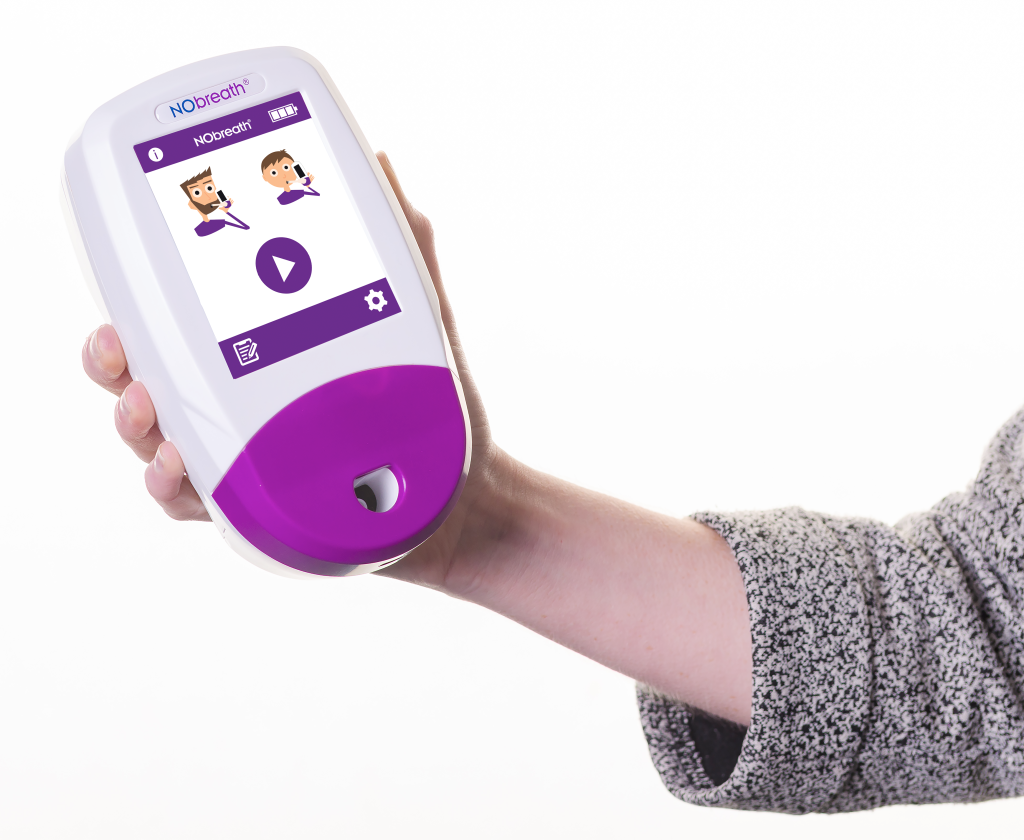
The NObreath® FeNO device offers a clear pathway to more effective asthma care, reducing over-reliance on blue inhalers.

Bedfont® Scientific Limited, an innovative med-tech company specialising in medical breath analysis devices, welcomes the new study at University Hospital Southampton exploring whether enhanced asthma check-ups can reduce inhaler use among children. For over 15 years, Bedfont® has supported improved asthma care with its NObreath® Fractional exhaled Nitric Oxide (FeNO) device, which measures airway inflammation through exhaled breath. The quick and easy test provides clinicians with objective insight to guide medication decisions, reduce unnecessary reliever prescriptions, prevent over-reliance on blue inhalers, and help avoid future asthma attacks.

Research has found that children using 6 or more blue reliever inhalers a year are 3-5 times more likely to have an asthma attack1. Reliever inhalers only treat the immediate symptoms and mask the underlying airway inflammation, which can lead to further exacerbations.

The study aims to create a new alert system that automatically notifies general practitioners (GPs) when a child has been prescribed too many inhalers, prompting an immediate check-up. This will allow healthcare professionals to perform a review and help prevent future attacks.

Jason Smith, CEO at Bedfont®, comments, “We welcome the focus this important study brings to the growing problem of reliever inhaler over-use in children, a clear signal that many young people are still not getting the right support for long-term asthma control. Over-reliance on blue inhalers often reflects unmanaged airway inflammation and missed opportunities for targeted treatment. That’s why we continue to advocate for improving the accessibility of FeNO testing in primary care, a guideline-recommended, evidence-based tool that helps clinicians identify and treat underlying inflammation early. With better access to FeNO testing across the UK, we can help reduce unnecessary reliever use, improve outcomes for children, and support GPs in delivering truly personalised asthma care.”

Although FeNO testing is now recommended as a first-line test in UK asthma guidelines, access remains inconsistent across primary care. As a result, many children continue to be managed without the benefit of objective airway inflammation testing, increasing the risk of poorly controlled asthma and over-reliance on reliever inhalers. Reliever inhaler overuse in children is a well-recognised marker of uncontrolled asthma and is associated with a higher risk of exacerbations and emergency admissions.

NObreath Offers Asthma Pathway

Greater investment and targeted funding are urgently needed to support the widespread adoption of FeNO technology in primary care, helping clinicians deliver earlier, more accurate diagnoses and reduce preventable harm. To learn more about the NObreath® and how it can help asthma care and management, visit the website here.

References

  1. News I. Southampton researchers lead UK-first study to target “dangerous” asthma inhaler overuse [Internet]. ITV News. 2026 [cited 2026 Mar 3]. Available from: https://www.itv.com/news/meridian/2026-02-25/uk-first-study-targets-dangerous-overuse-of-asthma-inhalers-in-children

Bedfont® Scientific Limited believes balanced teams drive better decision-making, stronger innovation, and long-term success.

Bedfont® Scientific Limited, a well-established Med-Tech company with over 49 years of expertise in the design and manufacture of medical breath analysis devices, is celebrating the women driving innovation in the Med-Tech industry this International Women’s Day (IWD). IWD is an annual event that celebrates women’s achievements and raises awareness about gender equality. In 2026, IWD celebrates 115 years of raising awareness of discrimination and taking action to forge gender parity.

International Women's Day 2026

This year’s theme, ‘Give to gain’, highlights the power of reciprocity and support. By giving women equal access to leadership opportunities, Bedfont® has built a diverse and balanced team. Today, women make up 50% of the workforce and nearly half of the companies’ 18 managers, proof that inclusion creates tangible gains for people and performance alike.

Switzerland is leading the way in Med-Tech, with women accounting for 40% of the industry’s workforce1. However, research published in 2024 shows that among the 78 largest medical device companies in Europe, only 24.4% of leadership positions are held by women2, highlighting the ongoing need for greater gender equality at senior levels.

“In a world where women in business have far greater opportunities than in our ancestors’ time, we are now seeing women actively driving the future of MedTech through innovation, leadership and scientific excellence. I am incredibly proud that nearly half of the leadership team at Bedfont are women, clear evidence that inclusion fuels both performance and progress. Representation matters, not only within our industry but for the next generation watching.” Comments Natasha Smith, Chief Operating Director at Bedfont®. “As a mother of two daughters, I want them to grow up proud, strong and confident enough to make their own mark in science, technology and beyond. On this International Women’s Day, with this year’s theme “Give to Gain,” we recognise that by investing in, training and championing women, we are shaping the future of MedTech and creating lasting impact for generations to come.”

This International Women’s Day, Bedfont® is celebrating the strength of a balanced workforce by recognising the women across the organisation with sustainably sourced chocolate from local business N2 Sweets Lab. This initiative reflects the company’s broader commitment to sustainability while supporting both local businesses and third-party partners worldwide, reinforcing a give-to-gain approach that benefits people, communities, and the planet.

To learn more about Bedfont® and its commitment to improving healthcare worldwide, visit the website here.

References

  1. Medtech Sector Study 2024 [Internet]. Swiss Medtech. 2024. Available from: https://www.swiss-medtech.ch/en/news/medtech-sector-study-2024
  2. Kirsh D. Women gain ground in medtech leadership, but parity remains far off [Internet]. Medical Design and Outsourcing. 2025 [cited 2026 Feb 10]. Available from: https://www.medicaldesignandoutsourcing.com/women-gain-ground-in-medtech-leadership-but-parity-remains-far-off/

Bedfont® ensures exercise books reach UK classrooms through sponsorship.

Bedfont® Scientific Limited, a world leader in breath analysis, with nearly 50 years of expertise in the medical device industry, has teamed up with Rymindr, a social-tech company, to deliver vital classroom supplies. Rymindr is an app that lets users track important dates and access rewards. Through the app, Rymindr helps UK schools save money by sharing its profits. Bedfont® is proud to support its exercise book sponsorship campaign by sponsoring 20 boxes of exercise books, ensuring they reach the classrooms where they are needed.

It has been reported that over 70% of schools in the UK are underfunded1, leading to increased pressure on schools through teacher shortages and reduced resources. Rymindr’s mission is to build a single ecosystem that benefits all, leading to positive impacts on society and the environment for this generation and those to come. They have been funding breakfasts, school meals, and classroom supplies for children.

“We’re thrilled to partner with Bedfont® to get essential classroom supplies into UK schools. With budgets under pressure, simple items like classroom resources from exercise books to pencils shouldn’t be a struggle to fund, and this sponsorship will make a real difference in classrooms across the country.” Said Rav Panesar, CEO of Rymindr. “We’re incredibly grateful to Bedfont® for stepping up and sponsoring. This is exactly the kind of community impact we want to create through Rymindr, bringing businesses and schools together to deliver practical support where it’s needed most.”

Bedfont® is supporting their current initiative to get thousands of brand-new exercise books directly into UK primary schools. Having already distributed 4,000 boxes across the country, Rymindr were unfortunately notified at the end of 2025 that their storage facility was being sold. This has led to the launch of their latest sponsorship campaign, inviting individuals and businesses to sponsor boxes of books. The sponsorship covers the practical logistics, such as storage, pallet handling, and distribution.

Bedfont® Helps Deliver Classroom Supplies

“We’re incredibly proud to support this campaign and help deliver something as fundamental as exercise books to classrooms across the UK.” Said Jason Smith, CEO at Bedfont®. “With so many schools facing funding pressures, it’s vital we step in where we can. By sponsoring these boxes, we’re helping teachers focus on what matters most, teaching, while easing some of the financial strain they face every day. Education is the foundation of our future, and we’re committed to playing our part.”

Rymindr is matching each sponsored box, meaning schools across the UK are saving around £100 per box, which will really make a difference to the already stretched school budgets. Bedfont® is strongly committed to supporting the local community and is pleased to assist Rymindr in its latest initiative, providing much-needed exercise books to UK schools. To find out more about Rymindr, visit the website here. For more information on Bedfont® and its community initiatives, visit the website here.

References

  1. New data finds that 7 in 10 schools in England faced budget cuts since 2010 | National Education Union [Internet]. National Education Union. 2025. Available from: https://neu.org.uk/latest/press-releases/new-data-finds-7-10-schools-england-faced-budget-cuts-2010

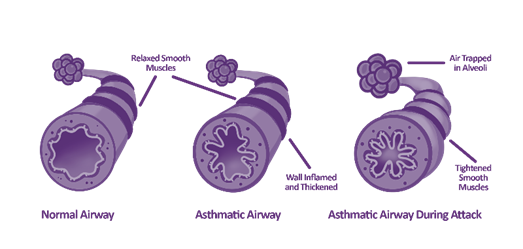
Asthma is a chronic lung condition that causes airway inflammation and affects approximately 262 million people worldwide1. Typical symptoms include:

  • Wheezing,
  • Breathlessness,
  • Chest tightness,
  • Coughing.

When airways are inflamed, breathing can become difficult. Recent Asthma + Lung UK research found that over 42,000 people ended up in emergency care in 2023/24 after visiting 5 or more times within the last 12 months2. These startling numbers highlight the importance of better asthma management to reduce the burden on healthcare systems.

Assessing airway inflammation is key to better asthma management. When a person’s airways become inflamed, higher-than-usual nitric oxide (NO) gases are produced. The easiest way to measure a person’s NO levels is a Fractional exhaled Nitric Oxide (FeNO) test.

What is FeNO testing?

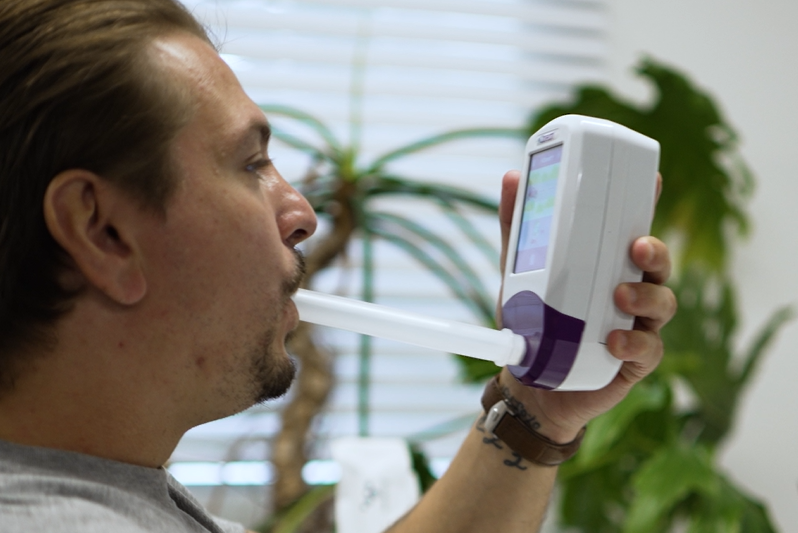
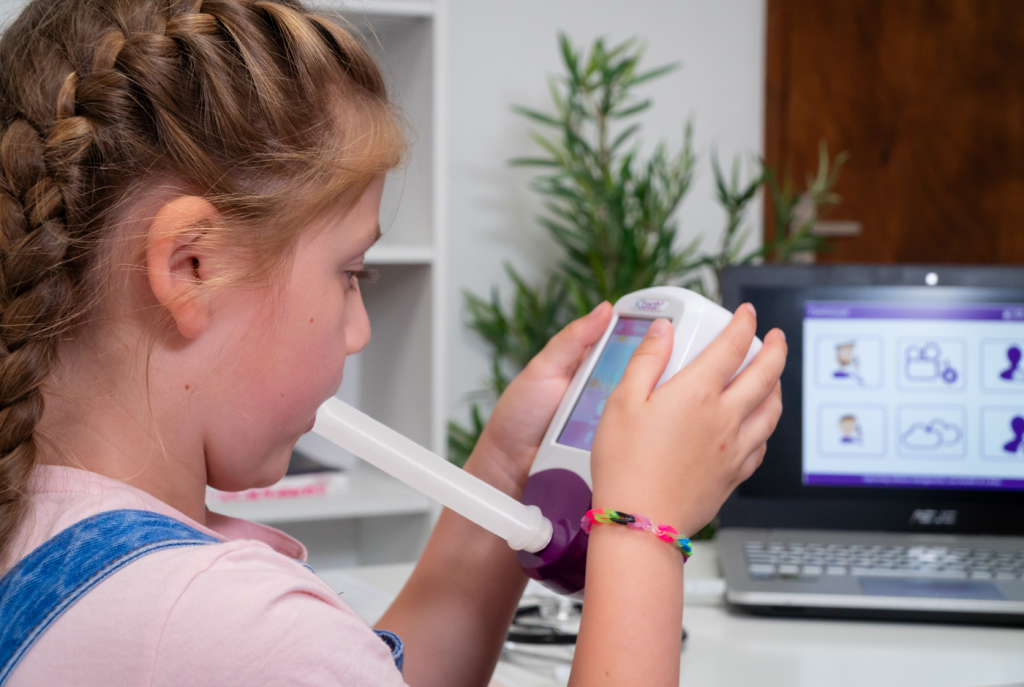
A FeNO test with a device like the NObreath® is a quick, easy, non-invasive and accurate way to measure NO levels in exhaled breath. NO is a marker of eosinophilic airway inflammation, common in allergic asthma. Patients follow on-screen instructions to inhale and then exhale into the device, providing instant results.

FeNO levels are measured in parts per billion (ppb). A high FeNO level indicates airway inflammation and can aid in diagnosing asthma.

ATS/ERS Clinical Guidelines Summary for Interpreting FeNO Levels3,4:

Note: These reflect the ATS and ERS guidelines. FeNO interpretation thresholds may vary between guidelines.

FeNO testing with the NObreath®

The NObreath® is a FeNO device manufactured by Bedfont® Scientific Limited. Bedfont® has over 48 years of knowledge and expertise in designing and manufacturing medical breath analysis devices. The NObreath® has improved asthma management for over 15 years, providing healthcare professionals (HCPs) with a fairly priced solution for FeNO testing. Suitable for both adults and children, the NObreath® is perfect for primary and secondary care settings. For more information on the NObreath®, visit the website here.

Why is FeNO testing useful in asthma?

Airway inflammation cannot be seen; FeNO tests allow HCPs to track any underlying inflammation and, when used alongside an extensive clinical history, can diagnose asthma. Having access to a FeNO device is useful throughout the asthma pathway. Not only does it aid an asthma diagnosis, but it also helps to guide treatment decisions.

Carrying out FeNO tests in routine asthma reviews allows HCPs to:

  • Tailor inhaled corticosteroid (ICS) therapy,
  • Identify steroid responsiveness,
  • Guide step-up or step-down treatment strategies.

A patient who consistently presents with a high FeNO level indicates possible poor adherence to ICS, therefore, instigating conversations about medication use.

The Role of FeNO Testing

FeNO testing is incorporated into worldwide guidelines. Joint guidelines by the National Institute of Health Excellence (NICE), the British Thoracic Society (BTS), and the Scottish Intercollegiate Guidelines Network (SIGN) now recommend FeNO as a first-line test for asthma diagnosis.

Future of FeNO testing.

The biggest challenge with FeNO testing is accessibility; unfortunately, some areas do not have access to a FeNO device. In a recent interview with Carol Stonham MBE, we discussed the issues around funding. In some areas, the Integrated Care Board (ICB) will pay for it, but in others, it is down to the Primary Care Network (PCN). However, if the PCN does not deem it a priority, it comes down to the individual General Practice (GP) surgeries.

Looking back at the shocking statistics at the beginning of this blog, it is clear that better asthma management is needed. FeNO is a valuable tool in modern asthma management. It guides HCPs to understand the underlying airway inflammation in asthma, leading to better patient outcomes.

With the NICE/BTS/SIGN guidelines update, FeNO testing is recommended as a first-line test for asthma diagnosis and management in adults. This means access to FeNO needs to improve.

For more information on FeNO testing and its central role in asthma care in the joint NICE/BTS/SIGN guidelines, click here to read our article on the guideline updates and FeNO testing.

References

  1. World Health Organization. Asthma [Internet]. World Health Organization. 2024. Available from: https://www.who.int/news-room/fact-sheets/detail/asthma
  2. Surge in repeat hospital visits for lung conditions [Internet]. Asthma + Lung UK. 2025 [cited
    2025 Mar 18]. Available from:
    https://www.asthmaandlung.org.uk/media/press-releases/surge-repeat-hospital-visits-lung-
    conditions
  3. Louis R, Satia I, Ojanguren I, Schleich F, Bonini M, Tonia T, Rigau D, Ten Brinke A, Buhl R, Loukides S, Kocks JW. European Respiratory Society guidelines for the diagnosis of asthma in adults. European Respiratory Journal. 2022 Sep 1;60(3). DOI: 10.1183/13993003.01585-202. [cited 2025 May 14] Available from: https://pubmed.ncbi.nlm.nih.gov/35169025/
  4. Dweik RA, Boggs PB, Erzurum SC, Irvin CG, Leigh MW, Lundberg JO, Olin AC, Plummer AL, Taylor DR, American Thoracic Society Committee on Interpretation of Exhaled Nitric Oxide Levels (FENO) for Clinical Applications. An official ATS clinical practice guideline: interpretation of exhaled nitric oxide levels (FENO) for clinical applications. American journal of respiratory and critical care medicine. 2011 Sep 1;184(5):602-15. PMCID: PMC4408724 PMID: 21885636. [cited 2025 May 14] Available from: https://pubmed.ncbi.nlm.nih.gov/21885636/

Intermedical UK proudly delivers the 3,000th NObreath® FeNO device to the UK market.

Bedfont® Scientific Limited, a medical device manufacturer based in Kent, with over 49 years’ experience in the breath analysis industry, was pleased to support its UK distributor, Intermedical UK, in supplying the 3,000th NObreath® Fractional exhaled Nitric Oxide (FeNO) device in the UK. Intermedical UK, a trusted leader in respiratory health, has been providing cardio-respiratory diagnostic and therapy equipment for frontline care since 1997.

Bedfont® support major milestone in asthma care. Bedfont Supports FeNO Milestone.
Bedfont® and Intermedical Team

Livio Gagliardi, Acting Managing Director at Intermedical (UK) Ltd, said, “Reaching the 3,000th NObreath® FeNO device in the UK is a shared success that reflects the dedication of both the Intermedical and Bedfont® teams. Together, we have worked hard to deliver a clinically proven, accessible, and cost-effective FeNO solution that genuinely meets the needs of frontline healthcare. We are incredibly grateful to our customers for placing their trust in us and for recognising the value that NObreath® brings to asthma diagnosis and ongoing management. Their commitment to improving respiratory care is what makes milestones like this possible, and we look forward to continuing this journey of innovation and impact alongside Bedfont®.”

NObreath FeNO device. Bedfont Supports FeNO Milestone.

The NObreath® FeNO device, manufactured by Bedfont®, is an innovative diagnostic tool that measures airway inflammation and helps healthcare professionals diagnose and manage asthma effectively. With over 3,000 devices now available across the UK, access to FeNO testing is improving, bringing Bedfont® closer to a world where everyone can access instant, non-invasive, and simple breath testing to support medical diagnosis.

As a valued long-term distributor of the NObreath®, Intermedical UK has played a key role in expanding access to high-quality respiratory diagnostics, and the close partnership over the years has been instrumental in reaching this monumental milestone.

Jason Smith, CEO at Bedfont®, comments, “This milestone of 3,000 devices in UK primary care highlights just how rapidly objective asthma testing is advancing. The updated joint UK guidelines now place even greater emphasis on FeNO, echoing the global shift toward evidence-based, accessible diagnostic tools. We are committed to making this technology available everywhere it is needed, ensuring clinicians and patients around the world benefit from fast, non-invasive breath testing.”

Bedfont® remains committed to improving asthma care worldwide, working closely with a global network of distributors to expand access to FeNO testing and improve asthma treatment. Recent partnerships in Mexico and India are already strengthening diagnostic capabilities, enabling clinicians in these regions to integrate simple, non-invasive breath testing into routine asthma assessment.

To learn more about Bedfont® and the NObreath® FeNO device, visit the website here.

Smokerlyzer®, Gastrolyzer®, and NObreath® devices on show at the world’s largest healthcare event.

Bedfont® Scientific, world leaders in breath analysis, with over 49 years of experience in the medical breath analysis industry, is thrilled to be showing its innovative devices at this year’s World Health Expo (WHX) Dubai, from the 9th to the 12th February 2026. Formally known as Arab Health, WHX Dubai has grown into a global healthcare hub, attracting professionals from over 180 countries. The event is due to take place at the Dubai Exhibition Centre.

Bedfont® exhibit at WHX Dubai
Bedfont Team at Arab Health 2025

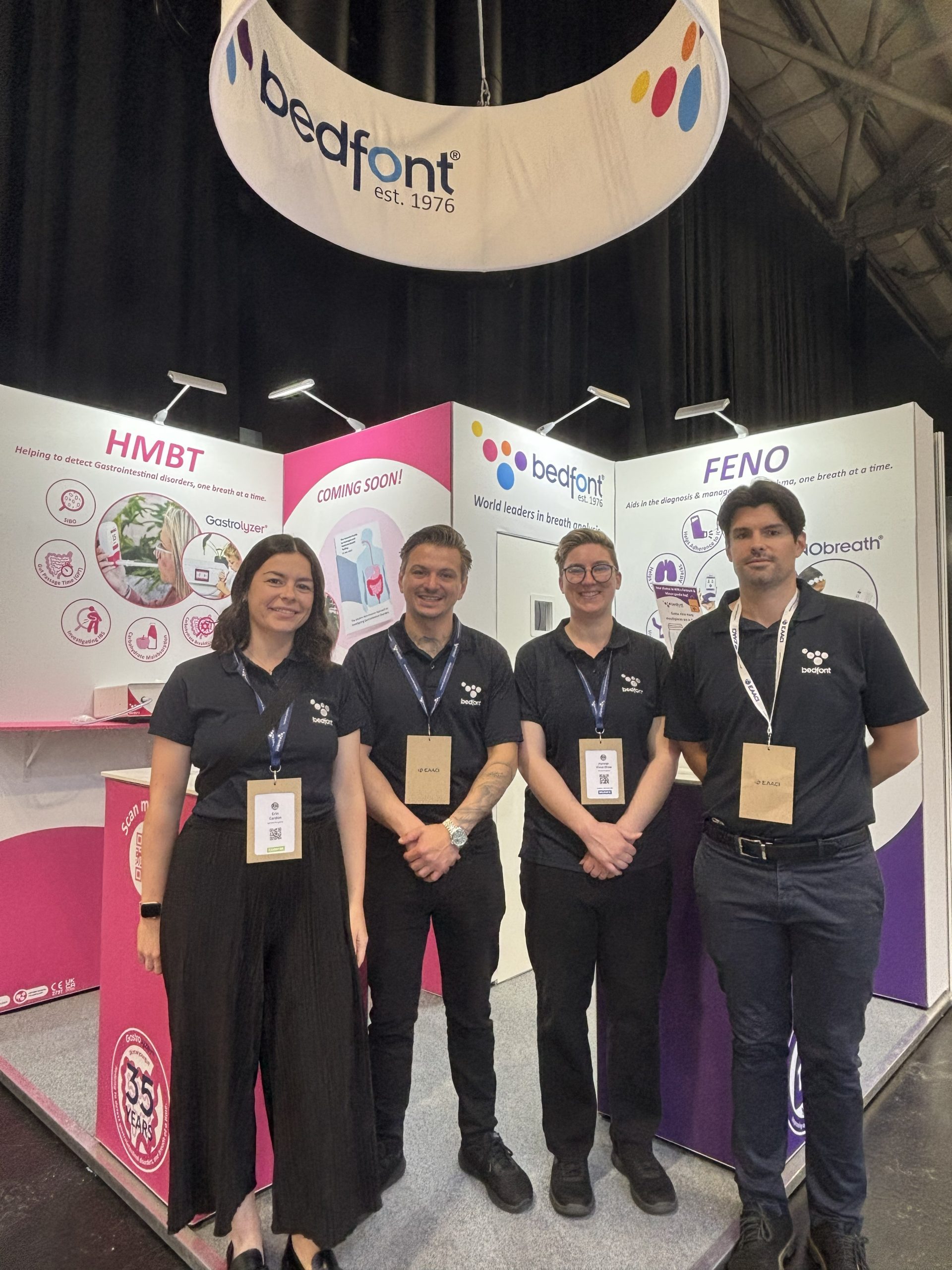
WHX Dubai represents a cornerstone event for international healthcare collaboration, innovation, investment, and knowledge sharing. Bedfont® is pleased to be demonstrating its devices at the world’s largest healthcare event. On show at stand S7.F90.F, you will find the Smokerlyzer® range of breath carbon monoxide (CO) devices, which aid smoking cessation. The Gastrolyzer® hydrogen-methane breath testing (HMBT) range, which is used to help detect gastrointestinal disorders. And the NObreath® fractional exhaled nitric oxide (FeNO) device, which aids asthma diagnosis and management.

Jason Smith, CEO at Bedfont® Scientific, said, “WHX Dubai continues to set the benchmark for healthcare innovation worldwide. Our presence underscores our dedication to excellence and to delivering devices that genuinely elevate the standard of patient care. As healthcare demands grow, we remain committed to providing solutions that empower clinicians, improve outcomes, and support a more efficient, responsive care environment. We look forward to building on the momentum generated at this year’s event.”

WHX Dubai 2026 is expected to attract over 235,000 professionals, offering the opportunity to see innovative medical solutions, attend educational and thought-leadership conferences, and network with like-minded individuals looking to improve healthcare across the globe. With strong relationships already established across the Middle East, Bedfont® hopes to engage with various healthcare professionals during the event, showcasing its innovative breath analysis devices.

You will find the friendly Bedfont® team at stand S7.F90.F. For more information on Bedfont® and to learn more about the Smokerlyzer®, Gastrolyzer®, and NObreath® devices, visit the website here.

January marks the start of a new year, with many people using this time as a fresh start and the perfect time to set health-improving goals. A study in 2024 found that January is the most popular month of the year for people to give up smoking, with an average of 440,670 online searches for terms related to quitting smoking1.

New Year’s resolutions can be health-focused or financially driven, and quitting smoking aligns perfectly with both. Not only does it improve overall health, but it also saves significant money, allowing people to achieve their financial goals.

Understanding CO monitoring.

Carbon monoxide is an odourless, colourless, and tasteless gas that is produced during incomplete combustion. This gas is found when smoking tobacco and has a profound effect on people’s health. When inhaled, CO binds to haemoglobin in red blood cells, reducing the delivery of oxygen throughout the body2. Smokers typically have high CO levels, and this can be monitored through a CO monitoring device used to aid a quit-smoking attempt.

The role of CO monitoring in quitting smoking.

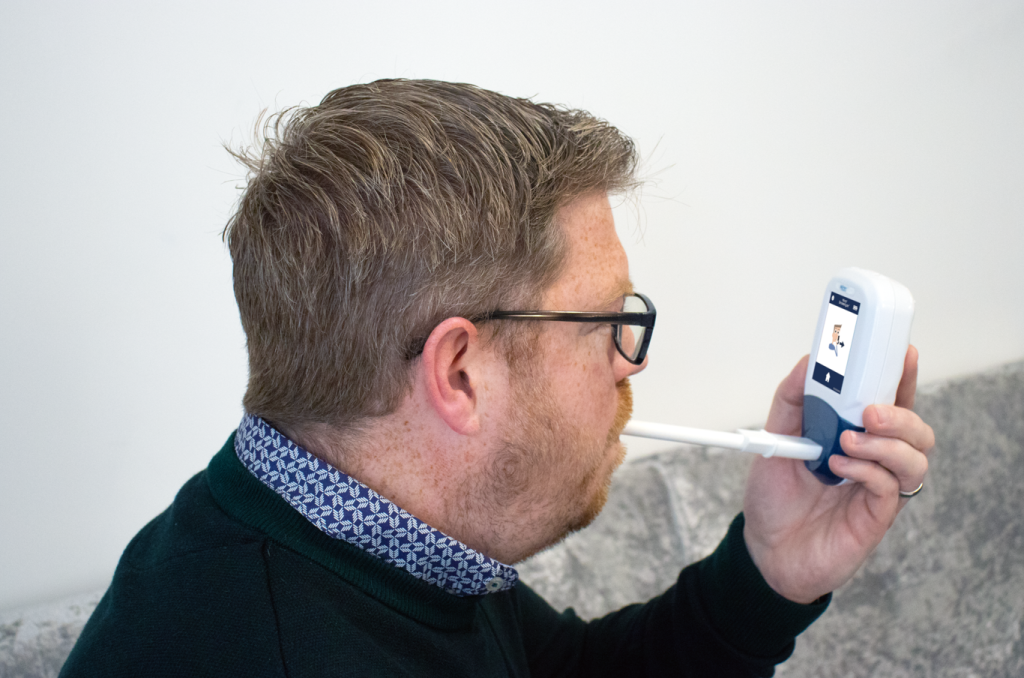
A CO monitoring device, like the Smokerlyzer®, measures the levels of CO on exhaled breath, establishing a person’s smoking status. The device offers a simple test: the user exhales slowly into the device to receive an instant CO reading, providing tangible feedback. Using a CO monitoring device during a quit attempt empowers the user to take control of their own health and, by seeing their CO levels drop over time, motivates them to continue their quit attempt.

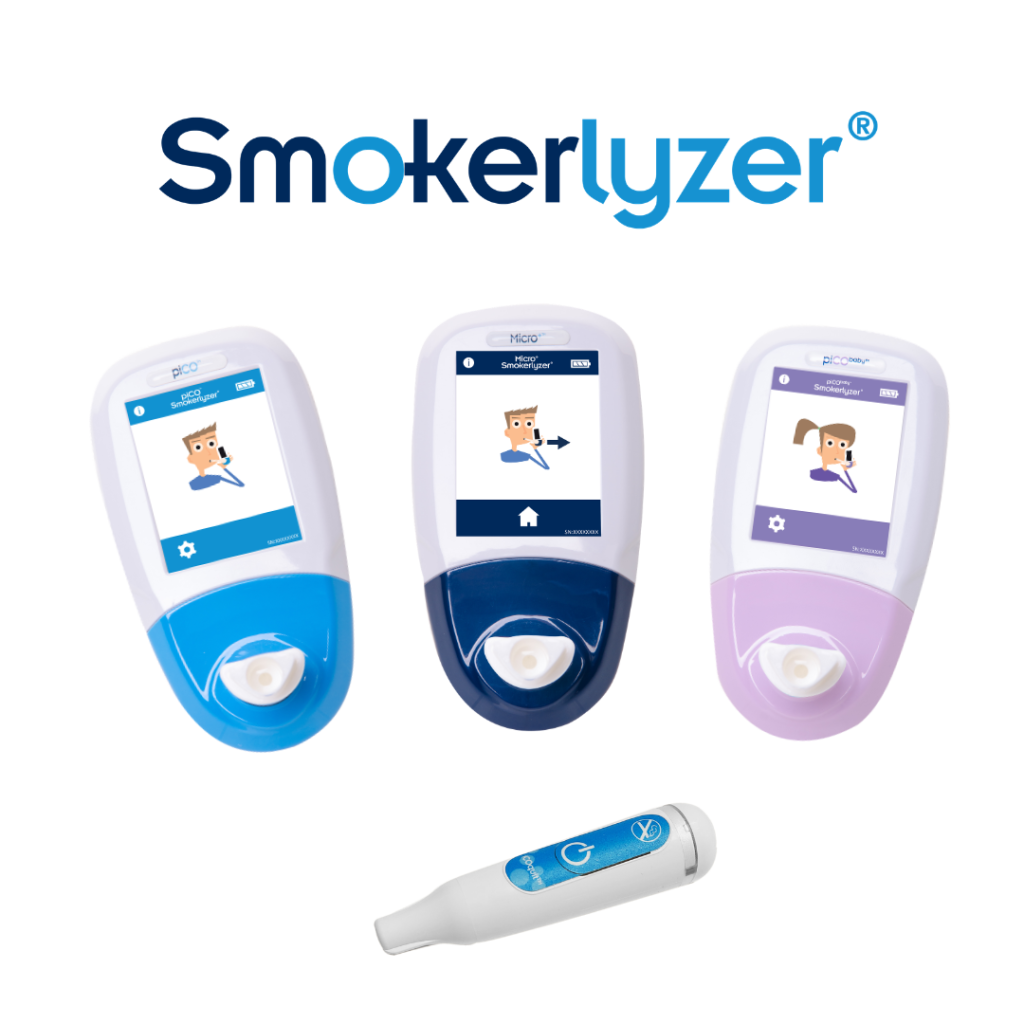
The Smokerlyzer® range.

  • Micro+™ – a CO breath and foetal %COHb %FCOHb device providing instant results, in parts per million (ppm), to help people stop smoking.
  • piCO™ – a breath CO device, providing instant results in exact ppm and %COHb to help people stop smoking.
  • piCObaby™ – a breath CO device for pregnant women to help them stop smoking, providing instant results in exact ppm, %COHb and %FCOHb.
  • iCOquit® – a personal CO device, which can be used at home to help you quit smoking.

Setting realistic quit goals.

Quitting smoking doesn’t happen instantly; it is a process, and like any significant lifestyle change, it works best when you set clear, achievable goals. A structured approach can help you stay focused, track progress, and celebrate success along the way. A helpful way to plan your quit journey is to make your goals SMART.

  • Specific – Be clear about what you want to achieve.
  • Measurable – Use CO readings or smoke-free days to track progress.
  • Achievable – Set goals that challenge you but are realistic.
  • Relevant – Focus on why quitting matters to you.
  • Time-bound – Set a timeframe for your targets.

Tracking progress and staying motivated.

Measuring CO levels during a quit attempt provides users with visual feedback; watching CO levels drop is a powerful motivator that helps people continue their journey. CO monitoring is also helpful in identifying relapses early and prompting users to get back on track. Quitting smoking is notoriously difficult, and it is important to celebrate milestones during a quit journey. Lower CO readings and smoke-free days are worth celebrating.

January provides the perfect opportunity to make positive, lasting changes, and quitting smoking is one of the most powerful steps you can take for your health. CO monitoring allows you to see tangible proof of your progress from the very first days of your quit journey. Watching CO levels drop is a reminder that your lungs are healing, your oxygen levels are improving, and your body is recovering.

Whether you are cutting down gradually or quitting altogether, setting clear goals, tracking your results, and celebrating each milestone can keep you motivated and on track. For more information on the Smokerlyzer® range and how it can aid a quit-smoking attempt, visit the website here.

References

  1. Leah. New study reveals the most popular times of year to quit smoking – Digital Health Technology News [Internet]. Digital Health Technology News. 2024 [cited 2025 Nov 6]. Available from: https://www.healthtechdigital.com/new-study-reveals-the-most-popular-times-of-year-to-quit-smoking/
  2. Cancer Research UK. What’s in a cigarette? [Internet]. Cancer Research UK. CRUK; 2023. Available from: https://www.cancerresearchuk.org/about-cancer/causes-of-cancer/smoking-and-cancer/whats-in-a-cigarette-0
Back to top