Over 28 million people in the United States (US) have asthma1,2, with the condition named as the leading chronic disease in children, affecting approximately 4.9 million under the age of 182,3. In the US, asthma is one of the most common and costly diseases, and these stark figures highlight why asthma still matters, even in 2026. This Asthma and Allergy Awareness Month, we are exploring the prevalence of asthma and how advancing technology can make a difference.

Asthma and Allergy Awareness Month

Asthma places a significant burden on healthcare and the economy, with annual economic costs between 2008 and 2013 contributing to:

  • $3 billion in losses due to missed work and school days,
  • $29 billion due to asthma-related mortality,
  • $50.3 billion in medical costs.

The numbers prove that asthma is common, but it is important to remember that this chronic condition is also manageable; however, outcomes are not equal, and certain populations are disproportionately affected. These disparities are shaped by a combination of structural, social, biological, and behavioural factors. Structural inequities, such as5:

  • Systemic racism,
  • Residential segregation,
  • Discriminatory policies,

Often influence the conditions in which people live, work, and access care. These, in turn, affect social determinants like income, education, housing quality, environmental exposures, and access to healthcare. While biological factors such as genetics and individual behaviours like smoking or medication adherence play a role, it is these broader social and structural inequities that largely drive unequal asthma outcomes across populations.

The hidden problem: Poor asthma control

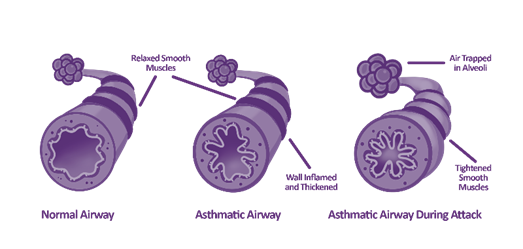
Millions of people are diagnosed with asthma, with many of them not having the condition well managed. It is estimated that 44% of children with asthma have uncontrolled asthma6, which can lead to exacerbations and severe asthma attacks.

Many asthma patients rely heavily on rescue inhalers, which relieve the immediate symptoms but do not address the underlying airway inflammation. This quick relief can make patients feel in control of their asthma, but without addressing the root cause, asthma remains uncontrolled beneath the surface.

Another contributor to poorly controlled asthma is misdiagnosis. Asthma is not a single condition; it can be allergic/eosinophilic or non-eosinophilic. If the asthma is not diagnosed correctly, this can lead to ineffective or over/under treatment. If the underlying asthma type isn’t properly diagnosed, the treatment cannot be matched to the disease type.

Additionally, a lack of objective measurement in routine care can affect asthma control. Traditionally, asthma management has relied on:

  • Symptoms,
  • Patient recall,
  • Peak flow.

The problem with just focusing on these points is that clinicians may over- or underestimate control, which leads to escalating or reducing treatment inappropriately. Symptoms do not always reflect underlying inflammation and may lead to missed opportunities for early intervention.

Better Asthma Care

This is where better access to objective, point-of-care tools, such as Fractional exhaled Nitric Oxide (FeNO) testing, is needed. Without objective measurement, asthma care often relies on what can be seen and heard, not on what’s happening at the inflammatory level inside.

What is FeNO testing7?

A FeNO test is a quick, easy, non-invasive way to measure airway inflammation, specifically eosinophilic inflammation. When airways are inflamed, higher levels of nitric oxide (NO) are produced. This gas can be detected in exhaled breath, with higher levels indicating inflammation, making FeNO testing a vital tool for asthma care and management.

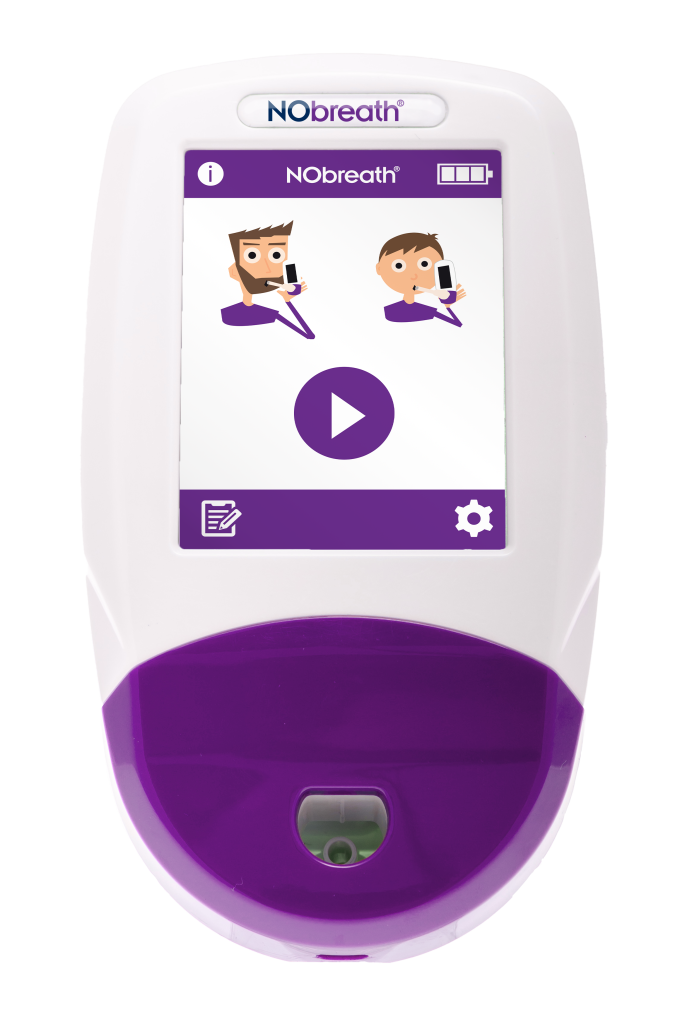
FeNO Testing with the NObreath®

With FeNO providing a non-invasive, quick point-of-care test, it can help identify type 2 inflammation and predict steroid responsiveness, helping clinicians see inflammation that symptoms alone cannot reveal.

How FeNO improves decision-making

FeNO fits into the whole asthma pathway; it’s not just a diagnostic tool; it can also help treat and manage asthma. Diagnosing and managing this chronic condition isn’t always straightforward, and in the past, healthcare professionals have relied on guesswork. FeNO testing changes that, it can:

  • Support a diagnosis of asthma,
  • Guide inhaled corticosteroid (ICS) use,
  • Monitor medication adherence,
  • Predict exacerbation risk,
  • Reduce unnecessary medication escalation.
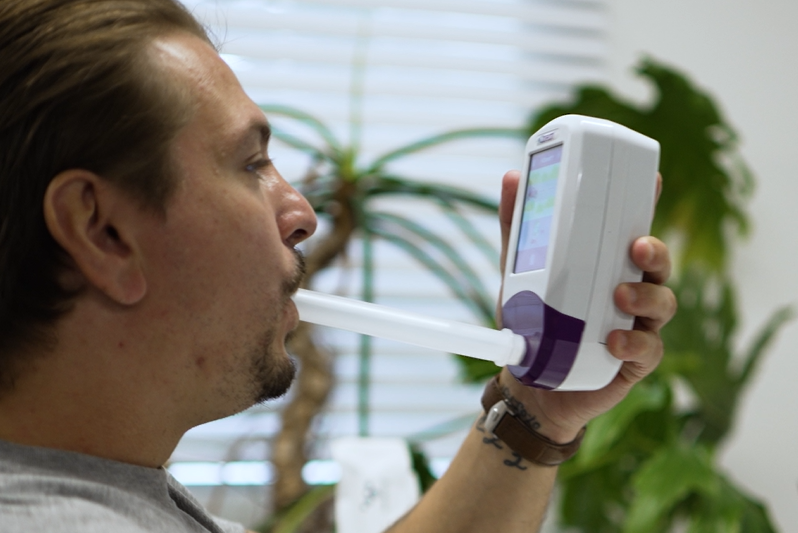
Child taking a FeNO test

FeNO is recognised in global guidelines for asthma care and management, with the ATS/ERS guidance positioning FeNO as a practical tool to support diagnosis, guide anti-inflammatory treatment, and monitor airway inflammation, helping clinicians move from symptom-based to more objective asthma care8.

Expanding access to FeNO testing

Objective testing has the potential to transform asthma care, but access remains a challenge. Limited availability outside specialist centres, time constraints in primary care, and geographic inequalities have all contributed to the underuse of tools such as FeNO. The result is a gap between what is possible and what is delivered in everyday care. Advances in technology only matter if people can access them.

Bedfont® Scientific Limited, an innovative MedTech company based in the UK with nearly 50 years of experience in medical breath analysis, has been improving asthma care and management worldwide for over 15 years with its NObreath® FeNO device. Working closely with its US distributor, coVita™, it has been working hard to improve access to FeNO testing by providing a fairly priced, low-maintenance FeNO device.

In 2025, the NObreath® became the allergists’ FeNO device of choice in the US, with Allergy Partners offering FeNO testing with the NObreath® through more than 125 locations in over 20 states. This partnership ensures that FeNO testing is being integrated into routine care, not just specialist settings, allowing more patients to get tested closer to home.

The future of asthma care

This Asthma and Allergy Awareness Month, we want to focus on how early intervention can lead to better long-term outcomes for asthma patients. Advances in technology mean that objective testing, such as FeNO, is more widely accessible, which is vital as biomarker-driven care becomes the standard. FeNO devices like the NObreath® provide clinicians with more insight into underlying inflammation that cannot be seen, enabling improved patient care.

To learn more about the NObreath® FeNO device and how it is improving precision in asthma care, visit the website here.

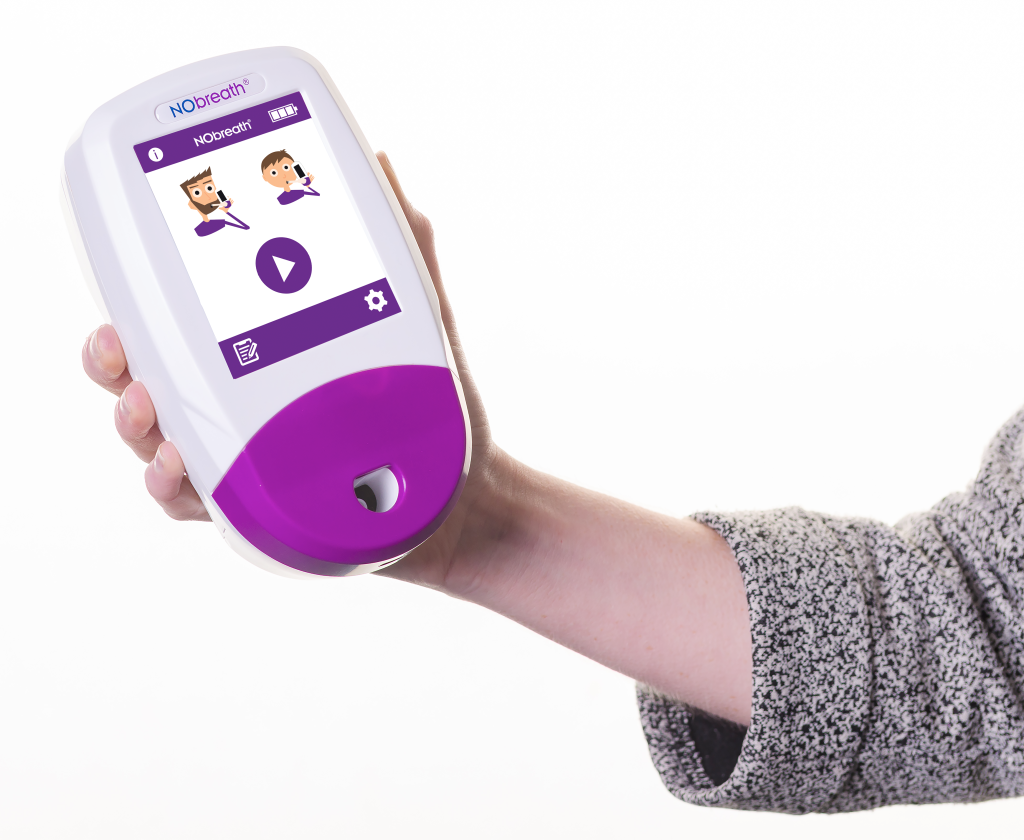
NObreath® FeNO device

References

  1. NCHS/DHIS. NHIS Adult Summary Health Statistics [Internet]. Cdc.gov. 2021. Available from: https://data.cdc.gov/National-Center-for-Health-Statistics/NHIS-Adult-Summary-Health-Statistics/25m4-6qqq/about_data
  2. ‌NCHS/DHIS. NHIS Child Summary Health Statistics [Internet]. Cdc.gov. 2021. Available from: https://data.cdc.gov/National-Center-for-Health-Statistics/NHIS-Child-Summary-Health-Statistics/wxz7-ekz9/about_data
  3. ‌Ferrante G, La Grutta S. The Burden of Pediatric Asthma. Frontiers in Pediatrics [Internet]. 2018 Jun 22;6(186):1–7. Available from: https://www.ncbi.nlm.nih.gov/pmc/articles/PMC6023992/
  4. ‌Nurmagambetov T, Kuwahara R, Garbe P. The Economic Burden of Asthma in the United States, 2008–2013. Annals of the American Thoracic Society [Internet]. 2018 Mar;15(3):348–56. Available from: https://pubmed.ncbi.nlm.nih.gov/29323930/
  5. ‌Asthma and Allergy Foundation of America. Asthma Disparities in America [Internet]. Asthma & Allergy Foundation of America. 2020. Available from: https://aafa.org/asthma-allergy-research/our-research/asthma-disparities-burden-on-minorities/
  6. ‌CDC Archives [Internet]. archive.cdc.gov. Available from: https://archive.cdc.gov/#/details?url=https://www.cdc.gov/asthma/asthma_stats/uncontrolled-asthma-children-2018-2020.htm
  7. ‌What is a FeNO Test? [Internet]. Aaaai.org. 2021. Available from: https://www.aaaai.org/Tools-for-the-Public/Conditions-Library/Asthma/What-Is-A-FeNO-Test
  8. ‌Murphy RC, Zhang P, Tejwani V, Khatri SB, Hallstrand TS, Ruminjo JK, et al. Summary for Clinicians: Clinical Practice Guideline for the Use of Fractional Exhaled Nitric Oxide to Guide the Treatment of Asthma. Annals of the American Thoracic Society. 2022 Oct;19(10):1627–30.

Written by Dr Jafar Jafari, GI Cognition

This article reflects the opinions of a healthcare professional. The views expressed are their own. The intended use for the GastroCH4ECK® is to aid in the diagnosis of the following disorders:

  • Lactose Intolerance,
  • Small Intestinal Bacterial Overgrowth (SIBO).

Hydration and nutrition are often discussed as two separate topics. In reality, they work together every single day inside the digestive system. What we drink influences how comfortably we tolerate fibre, how easily our bowels move, and how efficiently our digestive system works. What we eat influences digestion, gas production, stool pattern, energy levels, and symptoms such as bloating or abdominal discomfort.

A simple way to think about this relationship is to imagine trying to mix ingredients in a completely dry container. Nothing moves properly. The contents simply sit there. Digestion works in a similar way: without adequate fluid, the digestive system struggles to move food smoothly through the gut. Hydration provides the medium in which digestion happens, while nutrition provides the materials the body, and the microbes in our gut, need to function.

But how do we know whether our gut is responding well to what we eat and drink? Interestingly, one of the most informative signals can come from something we rarely think about: our breath.

Your Breath as a “Thermometer” for the Gut1

One of the reasons I became so interested in hydrogen–methane breath testing (HMBT), and ultimately wrote a book about it The Essential Guide to Hydrogen and Methane Breath Testing, the book offers a unique window into how our digestive system is functioning.

Human tissues do not produce hydrogen or methane gases. These gases are produced when microorganisms in the gut ferment carbohydrates that escape digestion. Some of this gas enters the bloodstream and eventually reaches the lungs, where it is exhaled in our breath. By measuring hydrogen and methane in breath samples over time, clinicians can gain insight into microbial fermentation patterns in the gut.

In a way, breath testing acts like a thermometer for gut activity. Just as a thermometer shows how the body is responding to infection or inflammation, breath testing can reveal how gut microbes are responding to the food and drink we consume.

The interesting point is that this signal often appears much earlier than other markers of health. For example, nutritional deficiencies such as low iron or low vitamin B12 can take months or even years to develop before they are detected in blood tests. But changes in microbial fermentation can occur much more quickly, reflecting the daily interaction between diet, hydration, gut motility and microbial activity.

In that sense, microbial fermentation may provide one of the earliest signals that something in our digestive habits is not working well.

Why “Healthy Foods” Sometimes Cause Symptoms

One of the most common questions people ask is: “Why do I react to foods that are supposed to be healthy?”

  • The answer is surprisingly simple: healthy does not always mean symptom-free.

Foods such as fruit, beans, lentils, whole grains and many vegetables are rich in fibre and nutrients2. These foods are beneficial for long-term health and support the growth of beneficial microbes in the gut.

However, they are also fermentable. For people with slower gut movement, increased microbial activity in the small intestine, or heightened gut sensitivity, fermentation of these foods may produce more gas than the body comfortably tolerates1.

This does not mean those foods are harmful or should be permanently avoided. It simply means that digestion sometimes requires a more personalised approach, including attention to portion size, timing, food combinations and underlying digestive function. Understanding these patterns is where breath testing can sometimes be helpful.

Hydration: The Forgotten Partner of Fibre

Another question I frequently hear is whether drinking more water can help symptoms such as constipation or bloating. Hydration alone is rarely a complete solution, but it plays a crucial role in maintaining normal digestive function.

Adequate fluid intake supports healthy bowel movement and gut motility. When the body is dehydrated, the intestines absorb more water from the stool, making it harder and more difficult to pass.

Hydration also becomes particularly important when people increase fibre intake. Fibre and fluid work together. Increasing fibre rapidly without increasing fluid can sometimes make symptoms feel worse, especially in people with sensitive digestive systems.

For most adults, general NHS guidance suggests roughly 6 to 8 glasses of fluid per day3, though individual needs vary depending on activity level, environment and health status. A simple daily indicator of hydration is urine colour, pale yellow generally indicates adequate hydration3.

Another useful indicator of digestive health is the Bristol stool chart4, which describes stool consistency. It is a simple but surprisingly helpful way of monitoring how well the digestive system is functioning4.

These simple daily observations, hydration, stool pattern, and symptoms, can act as basic “thermometers” of gut health. Breath testing simply provides a more advanced version of this thermometer, offering deeper insight into microbial fermentation patterns, when the basic thermometers are not sufficient anymore1.

Why Testing Before Treatment Matters1

When people experience persistent digestive symptoms, they often feel tempted to experiment with probiotics, restrictive diets, or various supplements. Trying something new can feel proactive. However, in some situations this approach may not address the underlying cause and can occasionally make symptoms worse.

For example, if someone already has excessive microbial activity in the small intestine, adding more bacteria through probiotics may not always be beneficial. Similarly, eliminating large groups of foods without a clear reason can lead to unnecessary dietary restriction and reduced nutritional balance.

Restrictive diets may sometimes reduce symptoms temporarily, but they can also reduce the intake of important nutrients such as fibre, vitamins and minerals, all of which support long-term gut and overall health. In addition, overly restrictive eating patterns may deprive the beneficial microbes in the gut of the nutrients they rely on for their normal activity and balance.

A more rational approach is to test first, understand the underlying mechanism, and then treat accordingly. This is where tools such as hydrogen–methane breath testing can provide valuable information5,6.

Breath testing should always be interpreted carefully within the clinical context, to ensure accurate results5,6. It remains the only validated clinical test that provides a functional assessment of microbial fermentation activity in the gut1. Unlike many emerging microbiome analyses, which are currently not standardised or reliable enough to guide treatment decisions, breath testing can help identify patterns such as carbohydrate malabsorption, abnormal fermentation, or possible bacterial overgrowth when used appropriately.

These insights can guide more targeted management rather than trial-and-error approaches, especially, if you are really suffering from the symptoms.

A Note on IBS, Stress and Unexplained Symptoms7

Another important point is that conditions such as irritable bowel syndrome (IBS) must be considered as diagnoses of exclusion. In practice, this means that when major structural or inflammatory diseases have been ruled out, completely, then, symptoms may be grouped under the IBS label.

However, this does not mean the symptoms are imaginary or simply due to stress. While stress can influence gut function, it is often too simplistic to attribute persistent symptoms to psychological factors alone. In practice, almost any symptom can be linked to stress if we stop looking for other explanations! In the same way, many gut symptoms can quickly be labelled as IBS!

In many cases, subtle physiological mechanisms, such as altered gut motility, microbial fermentation, gut hypersensitivity, or food intolerance, may be contributing to symptoms even when routine tests appear normal1. Advances in gut physiology and microbiome research are gradually helping us understand these mechanisms better.

Practical Advice for Hydration and Nutrition Week

For Hydration and Nutrition Week, my message is simple.

  1. Drink fluids regularly throughout the day rather than all at once3.

Use urine colour as a simple guide to hydration.

  • Include fibre in your diet but increase it gradually to avoid developing symptoms2.

Use stool pattern as a simple guide to fibre intake.

  • If you have persisting symptoms despite eating and drinking well, consider whether there may be an underlying reason that deserves further investigation1.

Use Hydrogen-Methane Breath Test as a validated medical grade guide to the root causes.

Digestive symptoms are rarely random. The body always has a reason for them.

In everyday life we already use simple “thermometers” of gut health, urine colour can suggest hydration, and stool patterns can reflect gut movement. At a deeper level, hydrogen–methane breath testing can act as a functional thermometer of microbial activity and your diet in the gut1.

Sometimes, the answers to persistent digestive symptoms can be found not only in what we eat and drink, but also in what our breath quietly reveals about the inner workings of our gut.

This hydration and nutrition week, take control of your gut health. If you are experiencing persistent gut issues, consult a healthcare professional and ask about breath testing. Hydrogen and methane breath testing (HMBT) with devices like the Gastrolyzer® range offer a non-invasive insight into gut health and can aid investigation or diagnosis in a clinical setting or from the comfort of your own home.

To learn more about the Gastrolyzer® range, visit the website here. Dr Jafari’s book ‘The Essential Guide to Hydrogen and Methane Breath Testing’ covers HMBT in detail, if you would like to learn more visit the webpage here.

References:

  1. Jafari J. 2025. The Essential Guide to Hydrogen and Methane Breath Testing: The Modern Non-Invasive Approach to Investigating Gastrointestinal Disorders. Bedfont Scientific Ltd, United Kingdom.
  2. NHS. How to get more fibre into your diet. Available at: https://www.nhs.uk/live-well/eat-well/how-to-get-more-fibre-into-your-diet/ (Accessed: 16th March 2026).
  3. NHS. Water, drinks and your health. Available at:
    https://www.nhs.uk/live-well/eat-well/water-drinks-nutrition/ (Accessed: 16th March 2026).
  4. Yaseen S, Abuelass FK, kamaleldien mohamed Abuelass F. Improving Documentation of Bowel Movements Using the Bristol Stool Chart: A Quality Improvement Project in a District General Hospital in the United Kingdom. Cureus. 2026 Jan 6;18(1).
  5. Rezaie A, Buresi M, Lembo A, Lin H, McCallum R, Rao S, Schmulson M, Valdovinos M, Zakko S, Pimentel M. Hydrogen and methane-based breath testing in gastrointestinal disorders: the North American consensus. Official journal of the American College of Gastroenterology| ACG. 2017 May 1;112(5):775-84.
  6. Pimentel M, Saad RJ, Long MD, Rao SS. ACG clinical guideline: small intestinal bacterial overgrowth. Official journal of the American College of Gastroenterology| ACG. 2020 Feb 1;115(2):165-78.
  7. National Institute for Health and Care Excellence (NICE). Irritable bowel syndrome in adults: diagnosis and management (CG61). Available at: https://www.nice.org.uk/guidance/cg61 (Accessed: 16th March).

Written by Melissa Dooley, GastroLife

This article reflects the opinions of a healthcare professional. The views expressed are their own. The intended use for the GastroCH4ECK® is to aid in the diagnosis of the following disorders:

Advancing the future of hydrogen-methane breath testing
  • Lactose Intolerance,
  • Small Intestinal Bacterial Overgrowth (SIBO).

Each year on the 29th of May, World Digestive Health Day highlights the importance of gastrointestinal wellbeing. It is also an opportunity to reflect on how innovation continues to improve the assessment of digestive disorders.

Over the past two years, I have contributed to Bedfont® Scientific’s World Digestive Health Day publications. In 2024, we explored the importance of structured investigation and the risks of self-diagnosis in digestive health1. In 2025, Bedfont® examined the science behind hydrogen-methane breath testing (HMBT)2 and its role in identifying small intestinal bacterial overgrowth (SIBO) and carbohydrate malabsorption.

In 2026, we are looking at progress, for example, how HMBT has evolved, and how diagnostic technology such as the GastroCH₄ECK® is advancing non-invasive gut diagnostics.

The Evolution of HMBT

Historically, SIBO diagnosis relied on jejunal aspirate culture. This is an invasive, technically demanding, impractical procedure in routine care, and not cost-effective. Breath testing emerged as a patient-friendly test for diagnosing small intestinal bacterial overgrowth and carbohydrate malabsorption, though early adoption was limited by a lack of standardisation.

The publication of the North American Consensus in 2017 outlined recommendations around preparation protocols, substrate dosing and diagnostic thresholds.3 This was reinforced by the American College of Gastroenterology (ACG) Clinical Guideline in 2020, which formally recognised breath testing as a clinically appropriate tool in selected patients.4

These publications moved breath testing into a supported, structured diagnostic approach (provided that testing is carried out using recommended protocols, reliable analysers, and appropriately trained practitioners).

Standardisation in Clinical Practice

Breath testing literature highlights that HMBT must be performed according to recommended preparation protocols and interpreted in a clinical context.3

Importantly, device accuracy and reliability play a critical role in minimising variability. Advances in sensor technology and calibration systems have improved reproducibility across clinical settings, strengthening user confidence in breath testing as a diagnostic tool.

Expanding Access: Clinic and Home-Based Testing

Evidence suggests that home-based breath testing, when supported by appropriate testing instructions, can achieve high completion and reliability rates.5

This enables flexibility across both clinic-based workflows and home testing pathways, broadening access to diagnostic investigations while maintaining clinical confidence.

The following are some examples of commonly asked questions in relation to HMBT:

  • Is hydrogen-methane breath testing reliable for diagnosing SIBO?

When performed according to recommended protocols and interpreted alongside clinical assessment, breath testing is considered a valuable diagnostic tool

  • Why is methane measurement important?

Methane levels ≥ 10 ppm are indicative of intestinal methanogen overgrowth and are often linked to constipation-related symptoms.4 Measuring methane alongside hydrogen enhances diagnostic precision by identifying patients whose symptoms may not be explained by hydrogen-producing bacterial overgrowth alone.

  • What influences diagnostic accuracy?

Recent antibiotics, bowel prep, motility agents, and dietary non-compliance may affect results. Adherence to established protocols is very important.

Looking ahead, several important developments are expected to influence the next phase of breath testing:

  • Further international harmonisation of testing protocols, including guidance from organisations such as the British Society of Gastroenterology.6
  • Enhanced multi-gas detection capabilities, potentially expanding beyond hydrogen and methane.
  • Greater precision in patient selection, improving cost-effectiveness and clinical outcomes.

Conclusion:

HMBT has evolved to a structured, consensus-supported diagnostic tool. Advances in clinical understanding, combined with ongoing innovation in diagnostic technology, have strengthened its role in assessing SIBO, IMO, and carbohydrate malabsorption.

As we mark World Digestive Health Day 2026, continued innovation will remain central to advancing digestive healthcare worldwide.

Gastrolyzer® range of HMBT devices:

The Gastrolyzer® range of devices, comprising the Gastro+™ hydrogen breath testing device and the GastroCH4ECK® have been helping to detect gastrointestinal disorders for over 30 years.

Advancing the future of hydrogen-methane breath testing

The Gastro+™ is a portable, handheld hydrogen device for quick, easy breath analysis. Tests can be conducted with a mouthpiece or a facemask for infants or elderly patients who struggle to hold their breath.

The GastroCH4ECK® is the only HMBT device with direct breath testing, allowing you to take a reading on the spot with instant results. It also offers remote testing by collecting breath samples in a breath bag for analysis at a later date.

The Gastrolyzer® range helps to streamline workflows in clinics and guide treatment decisions effectively. To learn more about the Gastrolyzer®, visit the educational portal here.

References:

  1. Bedfont® Scientific (2024) ‘World Digestive Health Day 2024: Taking control of your digestive health – importance of not self-diagnosing’. Available at: https://www.bedfont.com/world-digestive-day-understanding-gut-health-and-the-power-of-hmbt/ (Accessed: 23rd February 2026)
  2. Bedfont® Scientific (2025) ‘World Digestive Day: Understanding gut health and the power of HMBT’. Available at: https://www.bedfont.com/world-digestive-day-understanding-gut-health-and-the-power-of-hmbt/ (Accessed: 23rd February 2026)
  3. Rezaie, A., Buresi, M., Lembo, A. et al. (2017) ‘Hydrogen and methane-based breath testing in gastrointestinal disorders: the North American Consensus’, The American Journal of Gastroenterology, 112(5) pp 775–784
  4. Pimentel, M., Saad, R.J., et al (2020) ‘ACG clinical guideline: small intestinal bacterial overgrowth’, The American Journal of Gastroenterology, 115(2), pp. 165–178
  5. Pitcher, C. et al. (2022) ‘Hydrogen and Methane Breath Tests can be performed by patients independently at home with >95 % success rate’, Available at: https://gut.bmj.com/content/71/Suppl_1/A185.2 (Accessed: 24 February 2026).
  6. British Society of Gastroenterology (BSG) ‘AGIP protocol for hydrogen and methane breath testing’. Available at: https://www.bsg.org.uk/clinical-resource/agip-protocol-for-hydrogen-methane-breath-testing (Accessed: 26th February 2026).

January marks the start of a new year, with many people using this time as a fresh start and the perfect time to set health-improving goals. A study in 2024 found that January is the most popular month of the year for people to give up smoking, with an average of 440,670 online searches for terms related to quitting smoking1.

New Year’s resolutions can be health-focused or financially driven, and quitting smoking aligns perfectly with both. Not only does it improve overall health, but it also saves significant money, allowing people to achieve their financial goals.

Understanding CO monitoring.

Carbon monoxide is an odourless, colourless, and tasteless gas that is produced during incomplete combustion. This gas is found when smoking tobacco and has a profound effect on people’s health. When inhaled, CO binds to haemoglobin in red blood cells, reducing the delivery of oxygen throughout the body2. Smokers typically have high CO levels, and this can be monitored through a CO monitoring device used to aid a quit-smoking attempt.

The role of CO monitoring in quitting smoking.

A CO monitoring device, like the Smokerlyzer®, measures the levels of CO on exhaled breath, establishing a person’s smoking status. The device offers a simple test: the user exhales slowly into the device to receive an instant CO reading, providing tangible feedback. Using a CO monitoring device during a quit attempt empowers the user to take control of their own health and, by seeing their CO levels drop over time, motivates them to continue their quit attempt.

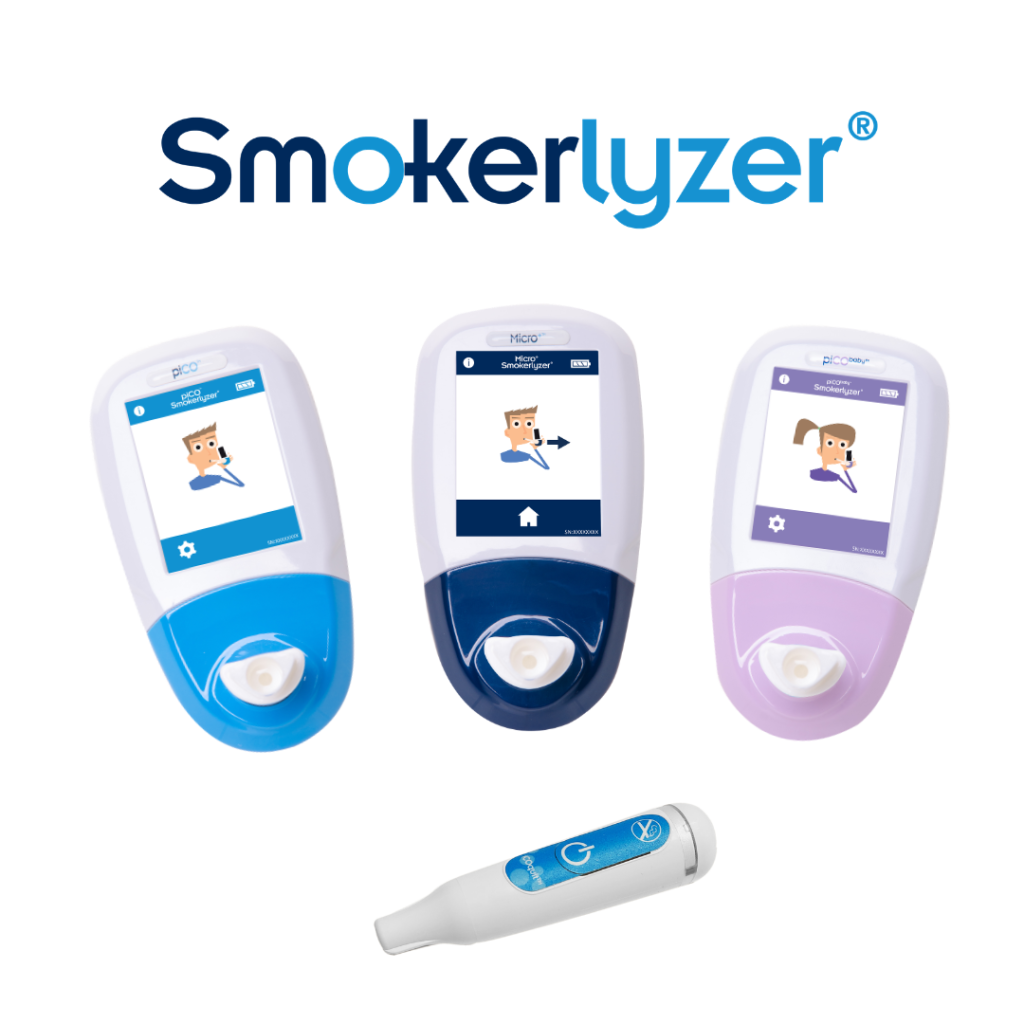
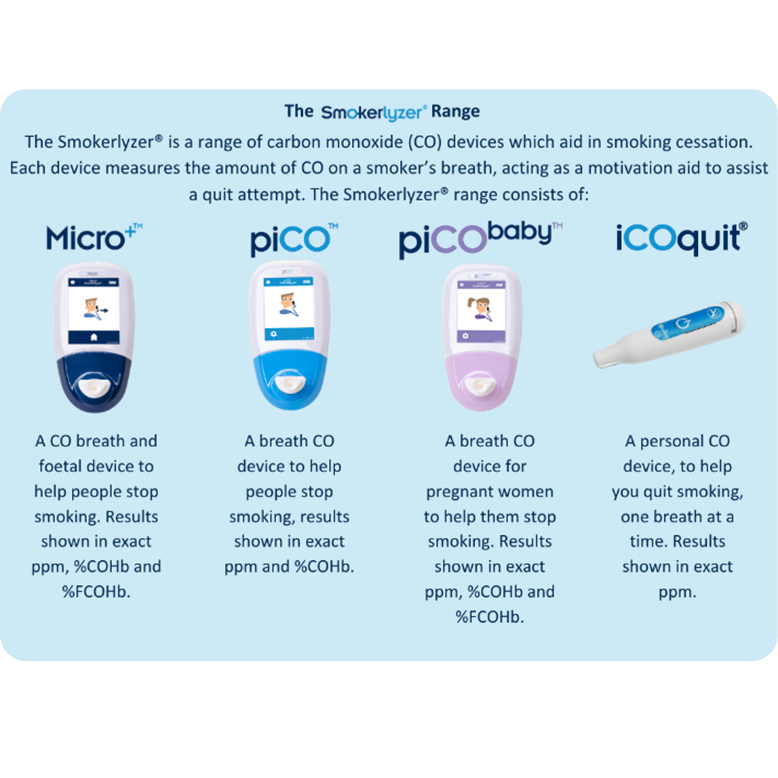
The Smokerlyzer® range.

  • Micro+™ – a CO breath and foetal %COHb %FCOHb device providing instant results, in parts per million (ppm), to help people stop smoking.
  • piCO™ – a breath CO device, providing instant results in exact ppm and %COHb to help people stop smoking.
  • piCObaby™ – a breath CO device for pregnant women to help them stop smoking, providing instant results in exact ppm, %COHb and %FCOHb.
  • iCOquit® – a personal CO device, which can be used at home to help you quit smoking.

Setting realistic quit goals.

Quitting smoking doesn’t happen instantly; it is a process, and like any significant lifestyle change, it works best when you set clear, achievable goals. A structured approach can help you stay focused, track progress, and celebrate success along the way. A helpful way to plan your quit journey is to make your goals SMART.

  • Specific – Be clear about what you want to achieve.
  • Measurable – Use CO readings or smoke-free days to track progress.
  • Achievable – Set goals that challenge you but are realistic.
  • Relevant – Focus on why quitting matters to you.
  • Time-bound – Set a timeframe for your targets.

Tracking progress and staying motivated.

Measuring CO levels during a quit attempt provides users with visual feedback; watching CO levels drop is a powerful motivator that helps people continue their journey. CO monitoring is also helpful in identifying relapses early and prompting users to get back on track. Quitting smoking is notoriously difficult, and it is important to celebrate milestones during a quit journey. Lower CO readings and smoke-free days are worth celebrating.

January provides the perfect opportunity to make positive, lasting changes, and quitting smoking is one of the most powerful steps you can take for your health. CO monitoring allows you to see tangible proof of your progress from the very first days of your quit journey. Watching CO levels drop is a reminder that your lungs are healing, your oxygen levels are improving, and your body is recovering.

Whether you are cutting down gradually or quitting altogether, setting clear goals, tracking your results, and celebrating each milestone can keep you motivated and on track. For more information on the Smokerlyzer® range and how it can aid a quit-smoking attempt, visit the website here.

References

  1. Leah. New study reveals the most popular times of year to quit smoking – Digital Health Technology News [Internet]. Digital Health Technology News. 2024 [cited 2025 Nov 6]. Available from: https://www.healthtechdigital.com/new-study-reveals-the-most-popular-times-of-year-to-quit-smoking/
  2. Cancer Research UK. What’s in a cigarette? [Internet]. Cancer Research UK. CRUK; 2023. Available from: https://www.cancerresearchuk.org/about-cancer/causes-of-cancer/smoking-and-cancer/whats-in-a-cigarette-0

With the festive holiday season upon us, many tend to indulge in the various rich, festive treats on offer. December is a joyful time; it is also a time to relax and treat yourself; however, the festive eating can take its toll on digestive health. A recent survey by King Edward VII’s Hospital found that 6 in 10 people blame their festive digestive issues on overindulgence1. In this blog, we will explore how HMBT can help you take a closer look at your gut health and identify any underlying conditions that may be causing your discomfort.

Common holiday eating habits and their impact

Typically, in December, we have a higher intake of sugar, fat, and alcohol. This is due to the tasty treats on offer and the extra socialising during this period. Some view the festivities as a time to relax from their regular eating habits and find themselves eating at irregular times. In contrast, others find the festive period a particularly stressful time, which can result in stress eating. As the gut microbiome can be very sensitive to dietary changes, you may find you suffer from bloating, gas, reflux, and irregular bowel movements during the festive period.

What is HMBT?

Hydrogen-methane breath testing is a non-invasive method for measuring hydrogen (H2) and methane (CH4) gases in exhaled breath. Gut bacteria produce these gases during the fermentation of undigested carbohydrates, and high levels of these gases can indicate an underlying issue. A HMBT can help identify gastrointestinal disorders like:

  • Small Intestinal Bacterial Overgrowth (SIBO).
  • Fructose/lactose intolerance.
  • General fermentation imbalances.

HMBT with the Gastrolyzer® range

The Gastrolyzer® is a range of HMBT devices used to aid in gastrointestinal investigation. A test using the Gastro+™ and GastroCH4ECK® is a simple, non-invasive method for measuring hydrogen and methane gases in exhaled breath. The Gastro+™ is a hand-held portable hydrogen device for quick and easy breath analysis, and the GastroCH4ECK® is a breath hydrogen and methane device with direct breath testing, allowing you to take a reading there and then, with instant results. The GastroCH4ECK® also allows for remote breath testing, allowing patients to undergo a HMBT in the comfort of their own homes.

How HMBT can help after the holidays

If you experience gastrointestinal issues, it is essential to consult a healthcare professional for evaluation. Some individuals may find that their issues resolve once they return to their normal routine; however, a HMBT can help identify sugar intolerance, such as lactose intolerance, which can help guide you in respect to what you eat during the festive period. Hydrogen-methane breath testing can also be used to support tailored dietary plans aimed at restoring gut health after the holidays.

December is a time for joy and indulgence, but balance is key. Try to avoid overindulging excessively, and ensure your diet during this period includes fibre, prebiotics, and probiotics. It is also vital to stay hydrated. By incorporating these into your festive diet, you can help minimise gastrointestinal discomfort, leaving you free to enjoy the holidays without the discomfort.

To learn more about HMBT and the Gastrolyzer® range, please visit our website here.

References

  1. Edward K. Christmas cramps: A third of Brits with digestive problems say symptoms get worse over Christmas | King Edward VII’s Hospital [Internet]. King Edward VII’s Hospital. 2025 [cited 2025 Jun 24]. Available from: https://www.kingedwardvii.co.uk/health-hub/christmas-cramps-a-third-of-brits-with-digestive-problems-say-symptoms-get-worse-over-christmas

Back to top