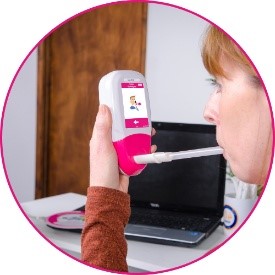
Written by Dr Jafar Jafari, GI Cognition

This article reflects the opinions of a healthcare professional. The views expressed are their own. The intended use for the GastroCH4ECK® is to aid in the diagnosis of the following disorders:

  • Lactose Intolerance,
  • Small Intestinal Bacterial Overgrowth (SIBO).

Hydration and nutrition are often discussed as two separate topics. In reality, they work together every single day inside the digestive system. What we drink influences how comfortably we tolerate fibre, how easily our bowels move, and how efficiently our digestive system works. What we eat influences digestion, gas production, stool pattern, energy levels, and symptoms such as bloating or abdominal discomfort.

A simple way to think about this relationship is to imagine trying to mix ingredients in a completely dry container. Nothing moves properly. The contents simply sit there. Digestion works in a similar way: without adequate fluid, the digestive system struggles to move food smoothly through the gut. Hydration provides the medium in which digestion happens, while nutrition provides the materials the body, and the microbes in our gut, need to function.

But how do we know whether our gut is responding well to what we eat and drink? Interestingly, one of the most informative signals can come from something we rarely think about: our breath.

Your Breath as a “Thermometer” for the Gut1

One of the reasons I became so interested in hydrogen–methane breath testing (HMBT), and ultimately wrote a book about it The Essential Guide to Hydrogen and Methane Breath Testing, the book offers a unique window into how our digestive system is functioning.

Human tissues do not produce hydrogen or methane gases. These gases are produced when microorganisms in the gut ferment carbohydrates that escape digestion. Some of this gas enters the bloodstream and eventually reaches the lungs, where it is exhaled in our breath. By measuring hydrogen and methane in breath samples over time, clinicians can gain insight into microbial fermentation patterns in the gut.

In a way, breath testing acts like a thermometer for gut activity. Just as a thermometer shows how the body is responding to infection or inflammation, breath testing can reveal how gut microbes are responding to the food and drink we consume.

The interesting point is that this signal often appears much earlier than other markers of health. For example, nutritional deficiencies such as low iron or low vitamin B12 can take months or even years to develop before they are detected in blood tests. But changes in microbial fermentation can occur much more quickly, reflecting the daily interaction between diet, hydration, gut motility and microbial activity.

In that sense, microbial fermentation may provide one of the earliest signals that something in our digestive habits is not working well.

Why “Healthy Foods” Sometimes Cause Symptoms

One of the most common questions people ask is: “Why do I react to foods that are supposed to be healthy?”

  • The answer is surprisingly simple: healthy does not always mean symptom-free.

Foods such as fruit, beans, lentils, whole grains and many vegetables are rich in fibre and nutrients2. These foods are beneficial for long-term health and support the growth of beneficial microbes in the gut.

However, they are also fermentable. For people with slower gut movement, increased microbial activity in the small intestine, or heightened gut sensitivity, fermentation of these foods may produce more gas than the body comfortably tolerates1.

This does not mean those foods are harmful or should be permanently avoided. It simply means that digestion sometimes requires a more personalised approach, including attention to portion size, timing, food combinations and underlying digestive function. Understanding these patterns is where breath testing can sometimes be helpful.

Hydration: The Forgotten Partner of Fibre

Another question I frequently hear is whether drinking more water can help symptoms such as constipation or bloating. Hydration alone is rarely a complete solution, but it plays a crucial role in maintaining normal digestive function.

Adequate fluid intake supports healthy bowel movement and gut motility. When the body is dehydrated, the intestines absorb more water from the stool, making it harder and more difficult to pass.

Hydration also becomes particularly important when people increase fibre intake. Fibre and fluid work together. Increasing fibre rapidly without increasing fluid can sometimes make symptoms feel worse, especially in people with sensitive digestive systems.

For most adults, general NHS guidance suggests roughly 6 to 8 glasses of fluid per day3, though individual needs vary depending on activity level, environment and health status. A simple daily indicator of hydration is urine colour, pale yellow generally indicates adequate hydration3.

Another useful indicator of digestive health is the Bristol stool chart4, which describes stool consistency. It is a simple but surprisingly helpful way of monitoring how well the digestive system is functioning4.

These simple daily observations, hydration, stool pattern, and symptoms, can act as basic “thermometers” of gut health. Breath testing simply provides a more advanced version of this thermometer, offering deeper insight into microbial fermentation patterns, when the basic thermometers are not sufficient anymore1.

Why Testing Before Treatment Matters1

When people experience persistent digestive symptoms, they often feel tempted to experiment with probiotics, restrictive diets, or various supplements. Trying something new can feel proactive. However, in some situations this approach may not address the underlying cause and can occasionally make symptoms worse.

For example, if someone already has excessive microbial activity in the small intestine, adding more bacteria through probiotics may not always be beneficial. Similarly, eliminating large groups of foods without a clear reason can lead to unnecessary dietary restriction and reduced nutritional balance.

Restrictive diets may sometimes reduce symptoms temporarily, but they can also reduce the intake of important nutrients such as fibre, vitamins and minerals, all of which support long-term gut and overall health. In addition, overly restrictive eating patterns may deprive the beneficial microbes in the gut of the nutrients they rely on for their normal activity and balance.

A more rational approach is to test first, understand the underlying mechanism, and then treat accordingly. This is where tools such as hydrogen–methane breath testing can provide valuable information5,6.

Breath testing should always be interpreted carefully within the clinical context, to ensure accurate results5,6. It remains the only validated clinical test that provides a functional assessment of microbial fermentation activity in the gut1. Unlike many emerging microbiome analyses, which are currently not standardised or reliable enough to guide treatment decisions, breath testing can help identify patterns such as carbohydrate malabsorption, abnormal fermentation, or possible bacterial overgrowth when used appropriately.

These insights can guide more targeted management rather than trial-and-error approaches, especially, if you are really suffering from the symptoms.

A Note on IBS, Stress and Unexplained Symptoms7

Another important point is that conditions such as irritable bowel syndrome (IBS) must be considered as diagnoses of exclusion. In practice, this means that when major structural or inflammatory diseases have been ruled out, completely, then, symptoms may be grouped under the IBS label.

However, this does not mean the symptoms are imaginary or simply due to stress. While stress can influence gut function, it is often too simplistic to attribute persistent symptoms to psychological factors alone. In practice, almost any symptom can be linked to stress if we stop looking for other explanations! In the same way, many gut symptoms can quickly be labelled as IBS!

In many cases, subtle physiological mechanisms, such as altered gut motility, microbial fermentation, gut hypersensitivity, or food intolerance, may be contributing to symptoms even when routine tests appear normal1. Advances in gut physiology and microbiome research are gradually helping us understand these mechanisms better.

Practical Advice for Hydration and Nutrition Week

For Hydration and Nutrition Week, my message is simple.

  1. Drink fluids regularly throughout the day rather than all at once3.

Use urine colour as a simple guide to hydration.

  • Include fibre in your diet but increase it gradually to avoid developing symptoms2.

Use stool pattern as a simple guide to fibre intake.

  • If you have persisting symptoms despite eating and drinking well, consider whether there may be an underlying reason that deserves further investigation1.

Use Hydrogen-Methane Breath Test as a validated medical grade guide to the root causes.

Digestive symptoms are rarely random. The body always has a reason for them.

In everyday life we already use simple “thermometers” of gut health, urine colour can suggest hydration, and stool patterns can reflect gut movement. At a deeper level, hydrogen–methane breath testing can act as a functional thermometer of microbial activity and your diet in the gut1.

Sometimes, the answers to persistent digestive symptoms can be found not only in what we eat and drink, but also in what our breath quietly reveals about the inner workings of our gut.

This hydration and nutrition week, take control of your gut health. If you are experiencing persistent gut issues, consult a healthcare professional and ask about breath testing. Hydrogen and methane breath testing (HMBT) with devices like the Gastrolyzer® range offer a non-invasive insight into gut health and can aid investigation or diagnosis in a clinical setting or from the comfort of your own home.

To learn more about the Gastrolyzer® range, visit the website here. Dr Jafari’s book ‘The Essential Guide to Hydrogen and Methane Breath Testing’ covers HMBT in detail, if you would like to learn more visit the webpage here.

References:

  1. Jafari J. 2025. The Essential Guide to Hydrogen and Methane Breath Testing: The Modern Non-Invasive Approach to Investigating Gastrointestinal Disorders. Bedfont Scientific Ltd, United Kingdom.
  2. NHS. How to get more fibre into your diet. Available at: https://www.nhs.uk/live-well/eat-well/how-to-get-more-fibre-into-your-diet/ (Accessed: 16th March 2026).
  3. NHS. Water, drinks and your health. Available at:
    https://www.nhs.uk/live-well/eat-well/water-drinks-nutrition/ (Accessed: 16th March 2026).
  4. Yaseen S, Abuelass FK, kamaleldien mohamed Abuelass F. Improving Documentation of Bowel Movements Using the Bristol Stool Chart: A Quality Improvement Project in a District General Hospital in the United Kingdom. Cureus. 2026 Jan 6;18(1).
  5. Rezaie A, Buresi M, Lembo A, Lin H, McCallum R, Rao S, Schmulson M, Valdovinos M, Zakko S, Pimentel M. Hydrogen and methane-based breath testing in gastrointestinal disorders: the North American consensus. Official journal of the American College of Gastroenterology| ACG. 2017 May 1;112(5):775-84.
  6. Pimentel M, Saad RJ, Long MD, Rao SS. ACG clinical guideline: small intestinal bacterial overgrowth. Official journal of the American College of Gastroenterology| ACG. 2020 Feb 1;115(2):165-78.
  7. National Institute for Health and Care Excellence (NICE). Irritable bowel syndrome in adults: diagnosis and management (CG61). Available at: https://www.nice.org.uk/guidance/cg61 (Accessed: 16th March).


Written by Melissa Dooley, GastroLife

This article reflects the opinions of a healthcare professional. The views expressed are their own. The intended use for the GastroCH4ECK® is to aid in the diagnosis of the following disorders:

Advancing the future of hydrogen-methane breath testing
  • Lactose Intolerance,
  • Small Intestinal Bacterial Overgrowth (SIBO).

Each year on the 29th of May, World Digestive Health Day highlights the importance of gastrointestinal wellbeing. It is also an opportunity to reflect on how innovation continues to improve the assessment of digestive disorders.

Over the past two years, I have contributed to Bedfont® Scientific’s World Digestive Health Day publications. In 2024, we explored the importance of structured investigation and the risks of self-diagnosis in digestive health1. In 2025, Bedfont® examined the science behind hydrogen-methane breath testing (HMBT)2 and its role in identifying small intestinal bacterial overgrowth (SIBO) and carbohydrate malabsorption.

In 2026, we are looking at progress, for example, how HMBT has evolved, and how diagnostic technology such as the GastroCH₄ECK® is advancing non-invasive gut diagnostics.

The Evolution of HMBT

Historically, SIBO diagnosis relied on jejunal aspirate culture. This is an invasive, technically demanding, impractical procedure in routine care, and not cost-effective. Breath testing emerged as a patient-friendly test for diagnosing small intestinal bacterial overgrowth and carbohydrate malabsorption, though early adoption was limited by a lack of standardisation.

The publication of the North American Consensus in 2017 outlined recommendations around preparation protocols, substrate dosing and diagnostic thresholds.3 This was reinforced by the American College of Gastroenterology (ACG) Clinical Guideline in 2020, which formally recognised breath testing as a clinically appropriate tool in selected patients.4

These publications moved breath testing into a supported, structured diagnostic approach (provided that testing is carried out using recommended protocols, reliable analysers, and appropriately trained practitioners).

Standardisation in Clinical Practice

Breath testing literature highlights that HMBT must be performed according to recommended preparation protocols and interpreted in a clinical context.3

Importantly, device accuracy and reliability play a critical role in minimising variability. Advances in sensor technology and calibration systems have improved reproducibility across clinical settings, strengthening user confidence in breath testing as a diagnostic tool.

Expanding Access: Clinic and Home-Based Testing

Evidence suggests that home-based breath testing, when supported by appropriate testing instructions, can achieve high completion and reliability rates.5

This enables flexibility across both clinic-based workflows and home testing pathways, broadening access to diagnostic investigations while maintaining clinical confidence.

The following are some examples of commonly asked questions in relation to HMBT:

  • Is hydrogen-methane breath testing reliable for diagnosing SIBO?

When performed according to recommended protocols and interpreted alongside clinical assessment, breath testing is considered a valuable diagnostic tool

  • Why is methane measurement important?

Methane levels ≥ 10 ppm are indicative of intestinal methanogen overgrowth and are often linked to constipation-related symptoms.4 Measuring methane alongside hydrogen enhances diagnostic precision by identifying patients whose symptoms may not be explained by hydrogen-producing bacterial overgrowth alone.

  • What influences diagnostic accuracy?

Recent antibiotics, bowel prep, motility agents, and dietary non-compliance may affect results. Adherence to established protocols is very important.

Looking ahead, several important developments are expected to influence the next phase of breath testing:

  • Further international harmonisation of testing protocols, including guidance from organisations such as the British Society of Gastroenterology.6
  • Enhanced multi-gas detection capabilities, potentially expanding beyond hydrogen and methane.
  • Greater precision in patient selection, improving cost-effectiveness and clinical outcomes.

Conclusion:

HMBT has evolved to a structured, consensus-supported diagnostic tool. Advances in clinical understanding, combined with ongoing innovation in diagnostic technology, have strengthened its role in assessing SIBO, IMO, and carbohydrate malabsorption.

As we mark World Digestive Health Day 2026, continued innovation will remain central to advancing digestive healthcare worldwide.

Gastrolyzer® range of HMBT devices:

The Gastrolyzer® range of devices, comprising the Gastro+™ hydrogen breath testing device and the GastroCH4ECK® have been helping to detect gastrointestinal disorders for over 30 years.

Advancing the future of hydrogen-methane breath testing

The Gastro+™ is a portable, handheld hydrogen device for quick, easy breath analysis. Tests can be conducted with a mouthpiece or a facemask for infants or elderly patients who struggle to hold their breath.

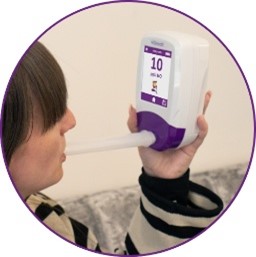
The GastroCH4ECK® is the only HMBT device with direct breath testing, allowing you to take a reading on the spot with instant results. It also offers remote testing by collecting breath samples in a breath bag for analysis at a later date.

The Gastrolyzer® range helps to streamline workflows in clinics and guide treatment decisions effectively. To learn more about the Gastrolyzer®, visit the educational portal here.

References:

  1. Bedfont® Scientific (2024) ‘World Digestive Health Day 2024: Taking control of your digestive health – importance of not self-diagnosing’. Available at: https://www.bedfont.com/world-digestive-day-understanding-gut-health-and-the-power-of-hmbt/ (Accessed: 23rd February 2026)
  2. Bedfont® Scientific (2025) ‘World Digestive Day: Understanding gut health and the power of HMBT’. Available at: https://www.bedfont.com/world-digestive-day-understanding-gut-health-and-the-power-of-hmbt/ (Accessed: 23rd February 2026)
  3. Rezaie, A., Buresi, M., Lembo, A. et al. (2017) ‘Hydrogen and methane-based breath testing in gastrointestinal disorders: the North American Consensus’, The American Journal of Gastroenterology, 112(5) pp 775–784
  4. Pimentel, M., Saad, R.J., et al (2020) ‘ACG clinical guideline: small intestinal bacterial overgrowth’, The American Journal of Gastroenterology, 115(2), pp. 165–178
  5. Pitcher, C. et al. (2022) ‘Hydrogen and Methane Breath Tests can be performed by patients independently at home with >95 % success rate’, Available at: https://gut.bmj.com/content/71/Suppl_1/A185.2 (Accessed: 24 February 2026).
  6. British Society of Gastroenterology (BSG) ‘AGIP protocol for hydrogen and methane breath testing’. Available at: https://www.bsg.org.uk/clinical-resource/agip-protocol-for-hydrogen-methane-breath-testing (Accessed: 26th February 2026).

With the festive holiday season upon us, many tend to indulge in the various rich, festive treats on offer. December is a joyful time; it is also a time to relax and treat yourself; however, the festive eating can take its toll on digestive health. A recent survey by King Edward VII’s Hospital found that 6 in 10 people blame their festive digestive issues on overindulgence1. In this blog, we will explore how HMBT can help you take a closer look at your gut health and identify any underlying conditions that may be causing your discomfort.

Common holiday eating habits and their impact

Typically, in December, we have a higher intake of sugar, fat, and alcohol. This is due to the tasty treats on offer and the extra socialising during this period. Some view the festivities as a time to relax from their regular eating habits and find themselves eating at irregular times. In contrast, others find the festive period a particularly stressful time, which can result in stress eating. As the gut microbiome can be very sensitive to dietary changes, you may find you suffer from bloating, gas, reflux, and irregular bowel movements during the festive period.

What is HMBT?

Hydrogen-methane breath testing is a non-invasive method for measuring hydrogen (H2) and methane (CH4) gases in exhaled breath. Gut bacteria produce these gases during the fermentation of undigested carbohydrates, and high levels of these gases can indicate an underlying issue. A HMBT can help identify gastrointestinal disorders like:

  • Small Intestinal Bacterial Overgrowth (SIBO).
  • Fructose/lactose intolerance.
  • General fermentation imbalances.

HMBT with the Gastrolyzer® range

The Gastrolyzer® is a range of HMBT devices used to aid in gastrointestinal investigation. A test using the Gastro+™ and GastroCH4ECK® is a simple, non-invasive method for measuring hydrogen and methane gases in exhaled breath. The Gastro+™ is a hand-held portable hydrogen device for quick and easy breath analysis, and the GastroCH4ECK® is a breath hydrogen and methane device with direct breath testing, allowing you to take a reading there and then, with instant results. The GastroCH4ECK® also allows for remote breath testing, allowing patients to undergo a HMBT in the comfort of their own homes.

How HMBT can help after the holidays

If you experience gastrointestinal issues, it is essential to consult a healthcare professional for evaluation. Some individuals may find that their issues resolve once they return to their normal routine; however, a HMBT can help identify sugar intolerance, such as lactose intolerance, which can help guide you in respect to what you eat during the festive period. Hydrogen-methane breath testing can also be used to support tailored dietary plans aimed at restoring gut health after the holidays.

December is a time for joy and indulgence, but balance is key. Try to avoid overindulging excessively, and ensure your diet during this period includes fibre, prebiotics, and probiotics. It is also vital to stay hydrated. By incorporating these into your festive diet, you can help minimise gastrointestinal discomfort, leaving you free to enjoy the holidays without the discomfort.

To learn more about HMBT and the Gastrolyzer® range, please visit our website here.

References

  1. Edward K. Christmas cramps: A third of Brits with digestive problems say symptoms get worse over Christmas | King Edward VII’s Hospital [Internet]. King Edward VII’s Hospital. 2025 [cited 2025 Jun 24]. Available from: https://www.kingedwardvii.co.uk/health-hub/christmas-cramps-a-third-of-brits-with-digestive-problems-say-symptoms-get-worse-over-christmas

Hydrogen-methane breath testing (HMBT) is a widely used, non-invasive method to diagnose conditions such as small intestinal bacterial overgrowth (SIBO) and carbohydrate malabsorption (e.g. lactose intolerance). The accuracy of HMBT results depends heavily on proper quality controls, accurate calibration, appropriate sample collection, and meticulous interpretation of results. This article explores these aspects to emphasise their significance in obtaining reliable and clinically meaningful results.

Introduction to HMBT

HMBT measures the amount of hydrogen (H2) and/ or methane (CH4) in the breath after ingesting specific carbohydrates. Under normal conditions, small amounts of H2 and/ or CH4 are produced in the large intestine. However, in cases of carbohydrate malabsorption or SIBO, undigested carbohydrates are fermented by bacteria in the small intestine (SIBO) or the large intestine (malabsorption), producing H2 and/ or CH4 that is absorbed into the bloodstream and exhaled in the breath. The GastroCH4ECK® HMBT device is one of two devices in the Gastrolyzer® range, manufactured by Bedfont® Scientific Limited. The GastroCH4ECK® offers non-invasive direct breath testing, providing instant results. Breath samples can be captured using a breath bag and analysed at a later time.

Quality Control in HMBT

Quality control is a critical component of any diagnostic test to ensure the accuracy, reliability, and reproducibility of the results. The effectiveness of HMBT relies heavily on stringent quality control measures. Inconsistencies or errors in any stage of the testing process can significantly impact the interpretation of results, potentially leading to misdiagnosis and inappropriate treatment. In HMBT, quality control involves several key processes.

Calibration of the HMBT device:

The HMBT device must be calibrated at intervals advised by the manufacturer using a known standard gas concentration to ensure it provides accurate readings. This involves running the standard gas through the device and adjusting the machine to match the known concentration. Zero calibration involves ensuring that the device reads zero when exposed to ambient air, as ambient air should ideally contain negligible H2. Accurate zero calibration ensures that any detected H2 is due to gastrointestinal fermentation and not background noise. Span calibration involves adjusting the device to read accurately at a higher concentration using a calibration gas with a known H2 and CH4 concentration. Regularly changing the filters in the breath device is necessary to maintain its accuracy and prevent contamination. A log for filter changes helps track when filters were last replaced and ensures that they are changed according to the manufacturer’s recommendations, thus maintaining the integrity of the samples.

Standard Operating Procedures (SOPs):

SOPs for HMBT should include detailed instructions for preparing the patient, conducting the test, and handling samples. Routine maintenance is crucial to prevent significant errors and variability in results. The GastroCH4ECK® must be calibrated before first use, after transportation, and once every 4 weeks. To ensure timely calibration, a reminder will be displayed on the screen during start-up. Bedfont® recommends that the GastroCH4ECK® should have an annual service to check sensors and components to ensure its longevity and accuracy. This maintenance includes a thorough inspection, cleaning, calibration, and replacement of worn-out parts. Keeping a log of annual maintenance activities helps track the condition of the device and ensures that it receives timely servicing, preventing unexpected malfunctions.

Unlike other HMBT devices that measure carbon dioxide (CO2), the GastroCH4ECK® measures oxygen (O2), which is a quality indicator for the breath sample1. The measurement of O2 is essential as it helps to ensure that the bacteria in the large intestine, rather than those in the mouth or stomach, are responsible for any gas production observed during the test.

The accuracy of the HMBT results relies on proper sample collection and patient preparation. Several factors must be considered to ensure valid results. Patients are advised to follow a specific diet for 24-48 hours before the test, avoiding high-fibre and fermented foods to prevent high baseline H2 and CH4. Fasting for at least 12 hours before the test is crucial to minimise these baseline levels and align with standardisation studies establishing normal ranges in a fasting state, ensuring predictable and stable intestinal motility.

Patients should always consult with a healthcare professional first, before stopping any medication to ensure proper preparation and guidance. Certain medications, such as antibiotics, probiotics, and laxatives, should be avoided as they can disrupt gut flora and affect H2 and CH4 production. However, patients on long-term use with unchanged symptoms may continue these medications unless instructed by a healthcare professional. On the day of the test, patients should avoid physical activity and remain seated to prevent accelerated gastrointestinal transit, which can affect timing and H2 and CH4 concentration. Additionally, patients should avoid sleeping, as it alters gastrointestinal motility and impacts test results.

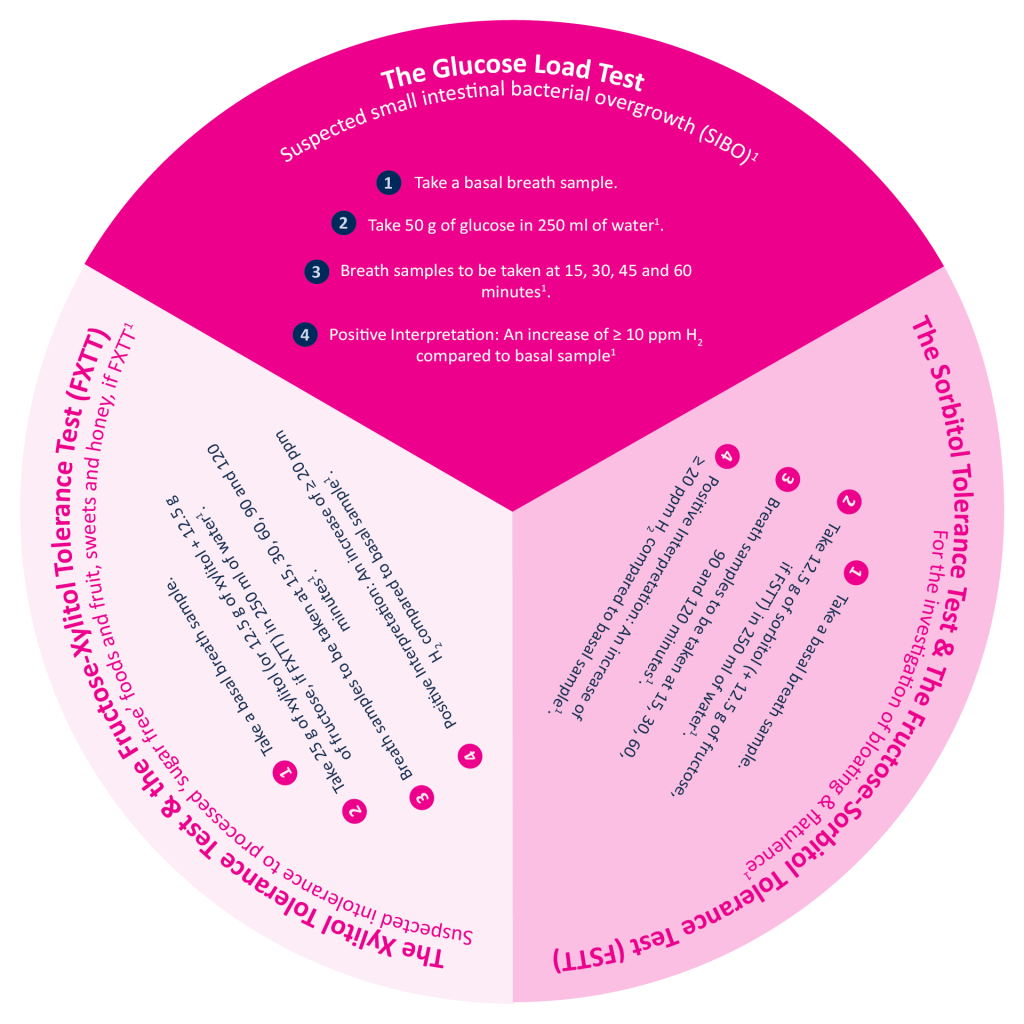
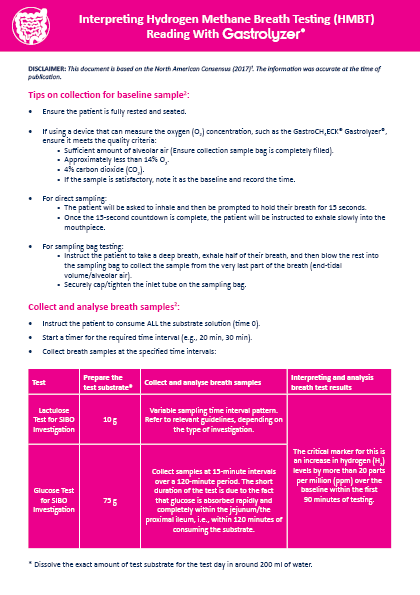
The test will begin with a collection of a baseline breath sample to measure the H2 and CH4 levels before carbohydrate ingestion. Then the patient will ingest a specific carbohydrate (e.g. lactulose, glucose, or lactose). The choice of the substrate depends on the clinical question (e.g. lactulose for SIBO, lactose for lactose intolerance). The patient must consume the standardised amount of the test substrate dissolved in a specified amount of water, following international guidelines. Breath samples are then collected at regular intervals (e.g. every 15-20 minutes) for 2-3 hours post-ingestion. Consistent timing is essential to accurately capture the H2 and CH4 production curves.

Several factors can affect the accuracy of HMBT results. Patients must adhere to the dietary and fasting instructions; non-compliance can lead to high baseline H2 and CH4 levels. Proper calibration and maintenance of the HMBT device is essential, malfunctioning equipment can lead to inaccurate readings. To avoid interpretation variability in HMBTs, it is crucial to adhere to a single reference guideline for performance and analysis. Currently, the most credible guideline is the North American Consensus2. Using this guideline ensures standardised procedures and consistent interpretation of results, minimising discrepancies and enhancing the reliability of HMBTs.

Environmental Monitoring:

Each HMBT device manufacturer provides specific instructions regarding the storage and operational temperatures for their devices. It is crucial to adhere strictly to these temperature guidelines when conducting direct breath tests and calibrations. Failure to operate the device within the recommended temperature can potentially affect accuracy.

Conclusion

HMBT is a reliable and non-invasive diagnostic tool for conditions like SIBO and carbohydrate malabsorption, provided that stringent quality controls, accurate calibration, proper sample collection, and meticulous interpretation are in place. Adhering to these protocols ensures the accuracy and clinical utility of HMBT, ultimately leading to better patient outcomes.

By focusing on these aspects, healthcare providers can maximise the diagnostic potential of HMBT and provide effective, targeted treatments for patients with gastrointestinal disorders.

HMBT with the Gastrolyzer® range

Utilising reliable diagnostic tools such as HMBT offers precise insights into the underlying causes of gastrointestinal symptoms, enabling healthcare professionals to formulate effective and tailored treatment plans. Bedfont® Scientific Limited manufactures the Gastrolyzer® range of non-invasive breath testing devices that help to detect gastrointestinal disorders, one breath at a time. The Gastrolyzer® range includes the Gastro+™ which measures H2 and the GastroCH4ECK® device which measures H2, CH4, and O2. Both devices provide instant results, recorded in parts per million (ppm).

To learn more about how the Gastrolyzer® range can help support your patients with gastrointestinal disorders, visit https://www.gastrolyzer.com/

References:

  1. Lee SM, Falconer IH, Madden T, and Laidler PO. Characteristics of oxygen concentration and the role of correction factor in real-time GI breath test. BMJ Open Gastroenterology. 2021 Jun 1;8(1):e000640. DOI:10.1136/bmjgast-2021-000640.
  2. Rezaie A, Buresi M, Lembo A, Lin H, McCallum R, Rao S, Schmulson M, Valdovinos M, Zakko S, Pimentel M. Hydrogen and methane-based breath testing in gastrointestinal disorders: the North American consensus. Official journal of the American College of Gastroenterology| ACG. 2017 May 1;112(5):775-84. DOI: 10.1038/ajg.2017.46.

NObreath® FeNO device and Gastrolyzer® range of devices are now available across the Middle East.

Bedfont® Scientific Limited, a world leader in breath analysis with over 47 years of knowledge and expertise in designing and manufacturing medical breath analysis devices, has partnered with Tebaba Medical Services, a leading supplier of high-quality medical supplies for healthcare providers across Africa and the Middle East. The successful registration in October means Tebaba will distribute Bedfont’s cutting-edge technology to healthcare professionals in the region, aiding in diagnosing and managing respiratory and gastrointestinal conditions.

The NObreath® Fractional exhaled Nitric Oxide (FeNO) device is used to aid in the diagnosis and management of asthma by measuring the nitric oxide levels on exhaled breath. High levels of nitric oxide indicate airway inflammation, common in allergic asthma.

The Gastrolyzer® range of devices, comprising of the Gastro+™ which measures the amount of hydrogen and the GastroCH4ECK® which measures the amount of hydrogen and methane in the breath, which can indicate gastrointestinal (GI) disorders such as small intestinal bacterial overgrowth (SIBO) and carbohydrate malabsorption.

Tebaba Medical Services, a well-established leader in the Middle Eastern healthcare market, was selected as a distributor for its strong alignment with Bedfont’s core values. With a commitment to delivering high-quality medical devices and exceptional customer service, Tebaba Medical Services brings extensive regional expertise to this partnership. By working together, Bedfont® and Tebaba are advancing the availability of cutting-edge breath analysis technology across the Middle East.

Jason Smith, CEO at Bedfont®, comments, “We are excited about the registration, which will allow our cutting-edge technology to transform the impact on respiratory and gastrointestinal health across the Middle East, marking an important step in our vision where everyone has access to instant, non-invasive, simple breath testing to aid in medical diagnosis.”

The first shipment was delivered in November, marking the beginning of Bedfont’s long-term commitment to supporting healthcare providers in the region with reliable, innovative technology and paving the way for enhanced patient care.

For more information on Bedfont® breath analysis devices, please visit our website by clicking here.

World Digestive Health Day occurs annually on the 29th May. Launched in 2004 to mark the 45th anniversary of the World Gastroenterology Organisation’s (WGO) incorporation in 1958 (founded in 1935). This year’s theme is “Your Digestive Health: Make it a Priority”, emphasising that prioritising digestive health is vital for promoting well-being and enhancing quality of life1.

We have all been exposed to common digestive complaints that can arise from food intolerances at one time or another; whether we have eaten something and felt a bit bloated or sluggish, or perhaps even experienced some changes in bowel pattern. This can be more frequent or associated with eating out, travelling, hormonal imbalance, or even because of lifestyle changes. For some, these symptoms can occur frequently or can be severe, which may result in many sufferers turning to the internet to look for fast, easy and convenient solutions. It is understandable why people get frustrated with their digestive health, especially with unpredictable episodes that affect the quality of life, and this can lead to the avoidance of social events, or cause anxiety around eating out.

Remember, it is important not to self-diagnose as a number of conditions can cause similar symptoms to irritable bowel syndrome (IBS) and food intolerances but will have different treatment and management. For this reason, it is important to visit your GP/Family Doctor who may recommend further evaluation.

Some of the common food intolerance symptoms experienced can arise from carbohydrate malabsorption such as from lactose malabsorption, fructose malabsorption and sucrose malabsorption.

The intestine can only absorb a limited amount of fructose; most people can absorb 25-50g of fructose per sitting. Fructose malabsorption is a dietary impairment of the small intestine, whereby there is a limitation in the fructose carrier system which transports this sugar across the cell membrane.

Fructose malabsorption is not a food allergy, meaning there is no production of IgE antibodies or release of histamine. There are generally no typical allergic symptoms such as itching or hives.

In the large intestine, the unabsorbed fructose is metabolised by normal colonic bacteria to short-chain fatty acids and the gasses hydrogen, carbon dioxide, and methane. The increase in hydrogen or methane gas is detected with the breath test.

Possible causes of fructose malabsorption include:

  • Inherited or acquired abnormality of fructose transporting protein GLUT-5 (other family members are often affected).
  • Overuse of High Fructose Corn Syrup, or fruit juices in children.
  • Small intestinal bacterial overgrowth (SIBO).
  • Coeliac disease.
  • Chemotherapy or radiation (damage of small intestinal mucosa).
  • Dumping syndrome (rapid gastric emptying)

It can be difficult to see a relationship between the foods eaten and the symptoms experienced; this is because most foods contain a mixture of glucose and fructose, and foods with a high glucose content can help to absorb fructose. One molecule of glucose enables the absorption of one molecule of fructose. An example of this is when fructose was given in the form of sucrose (sucrose = fructose + glucose), its absorption capacity was increased e.g., table sugar (50% fructose, 50% glucose). The greater the glucose-to-fructose ratio in the food, the easier the fructose will be absorbed.

Lactose is normally hydrolysed into glucose and galactose, which are readily absorbed in the jejunum. Lactose needs to be hydrolysed in the small intestine by a B-galactosidase lactase-phlorizin hydrolase, generally called lactase. Lactase is found most abundantly in the jejunum at the tip of the intestinal villi and therefore is more vulnerable to intestinal diseases that cause cell damage than other sugars, which are located deeper.

If the enzyme lactase is lacking (or if inadequate amounts are produced), the lactose will not be completely hydrolysed, and the resultant condition is lactose malabsorption (also referred to as lactase deficiency). It is the most common type of carbohydrate intolerance and is the most common genetic disorder affecting more than half the world’s population.

When poorly absorbed lactose reaches the colon, gases produced may cause distension, cramps, flatulence, and general discomfort, along with diarrhoea, which can range from mild to explosive discharge. These symptoms produce the condition lactose intolerance, which is lactose malabsorption with discomfort. Symptoms associated with lactose intolerance may be mild or severe depending on the degree of lactase deficiency and the amount of lactose consumed. Lactose malabsorption can be diagnosed with a hydrogen methane breath test (HMBT) that will measure the level of gases in exhaled breath samples.

The number of people with lactose malabsorption is surprisingly large. It is estimated that about 68% of the world’s population has lactose malabsorption. It is more common in certain areas of the world such as Asia and among African Americans, American Indians, and Hispanics.

There are different types or forms of lactose malabsorption:
Congenital Lactase Deficiency (CLD) is a rare genetic condition. In this type, there is a marked deficiency of lactase production, if any at all, in the small intestine from birth. It is caused when a baby inherits 2 ineffective genes from their parents (one from each).

Familial Lactase Deficiency is the result of a defective lactase enzyme protein. Unlike CLD, the level of lactase enzyme production is normal but since the genes are producing a defective enzyme, lactase is deemed dysfunctional and ineffective.

Primary lactase deficiency is a condition that develops over time. After about the age of 2, the body
begins to produce less lactase. It is the most common type of lactase deficiency.

Developmental Lactase Deficiency results from low lactase levels and is a consequence of prematurely born babies. Premature babies born 28-32 weeks of gestation will have reduced lactase activity.

Secondary lactase deficiency occurs when injury to the small intestine or certain digestive diseases reduce the amount of lactase a person produces e.g. coeliac disease, inflammatory bowel disease, and Crohn’s disease.When the epithelium heals, the activity of lactase returns.

Sucrose is a disaccharide composed of glucose and fructose. It is hydrolysed by the enzyme sucrase, an a-glucosidehydrolase, which is naturally occurring in the small intestine.

Some people with genetic sucrase-isomaltase deficiency (GSID) are often misdiagnosed with IBS. People with GSID cannot digest sucrose and maltose (sugar found in grains) and can have difficulty digesting starch. Symptoms range from mild to severe.

Importance of not self-diagnosing:
If you are suffering from food intolerances, this may mean that the enzymes in your gut responsible for breaking down the food particles are either deficient, defective, or there may be an issue with the mechanism that transports molecules through the small intestine.

This point is of great importance as some people want to take the reins on their health, and in some cases self-diagnose. In recent times, there has been a large increase in online devices available aimed at providing you with “diagnostic” results. This includes devices that encompass home testing apps with instant results.

While there are some home testing devices available that are overseen by appropriately qualified professionals, there are other heavily marketed devices aimed at those with common digestive symptoms that are not up to the same standard or have practitioner involvement.

In the absence of practitioner involvement, devices that are used to allow patients to self-test at home with instant results and self-interpretation could potentially lead to a misdiagnosis or inadvertently avoiding important food sources. You must remember that if a person is not properly adhering to the clinically recommended protocols for testing, residual food in the intestinal tract may be detected on home testing breath devices leading to inaccuracies.

This comes back to the point about experienced practitioner involvement, as you don’t want to see a
patient unnecessarily avoiding food groups like lactose just because they misinterpreted the report, did
not prepare for the test in accordance with recommended protocols, given misinformation/misinformed
how the device is intended to be used or did not conduct the test correctly.

When your digestive health is out of sync, foods are not agreeing with your gut, and you are feeling the
burden of your symptoms, before choosing a quick and self-guided approach it is important to talk with your medical practitioner. There are a lot of easy-to-use home tests available, but it is important they are sourced from a reputable health professional who is available to discuss the results with you and recommend appropriate follow-up

Hydrogen Methane Breath Testing (HMBT):

Utilising reliable diagnostic tools such as HMBT offers precise insights into the underlying causes of gastrointestinal symptoms, enabling healthcare professionals to formulate effective and tailored treatment plans. Bedfont® Scientific Limited manufactures the Gastrolyzer® range of non-invasive breath testing devices that help to detect gastrointestinal disorders, one breath at a time. The Gastrolyzer® range includes the Gastro+™ which measures H2 and the GastroCH4ECK device which measures H2, CH4, and O2. Both devices provide instant results, recorded in parts per million (ppm).

To learn more about how the Gastrolyzer® range can help support your patients with gastrointestinal
disorders, visit https://www.gastrolyzer.com/.

References:
1. World Digestive Health Day: WDHD 2024 [Internet]. WDHD. Cited 17th May 2024]. Available from: https://wdhd.worldgastroenterology.org/ongoing-wdhd-campaigns/wdhd-2024

Gastrointestinal disorders such as carbohydrate malabsorption and lactose intolerance can be diagnosed with the aid of hydrogen (H2) and methane (CH4) breath testing (HMBT). Bedfont® Scientific Limited manufacture the GastroCH4ECK® device which measures H2, CH4, and Oxygen (O2). Unlike other HMBT devices which measure carbon dioxide (CO2), the GastroCH4ECK® device measures O2 as it is a quality indicator for the breath sample1.

What is the role of O2 in HMBT:
When a patient comes in for a HMBT test, after recording their baseline results, the patient will digest a specific substrate which is metabolised by the bacteria in the small intestine which will start producing H2 and/or CH4 gas. H2, CH4, and O2 will then be monitored in intervals; the O2 measurement is important because it helps to ensure that the bacteria in the large intestine, rather than those in the mouth or stomach, are responsible for any gas production observed during the test.

The science behind O2 being measured:
The Earth’s atmosphere consists of around 78% nitrogen (N2), 20.9% O2, 0.93% argon (Ar), CO2 0.03%; with the rest being various gases2. When you breathe in, your body converts a percentage of O2 into CO2, which settles at the base of the lungs, known as an end-tidal sample. During HMBT, if the levels of O2 exceed 14%, it indicates that an end-tidal sample has not been achieved, likely due to dilution by dead space in the upper airway. In such cases, the GastroCH4ECK® device compensates for this discrepancy with a correction ratio which will be displayed onscreen.

The earliest use of recorded modern HMBT was in the 1970s, with the rationale that defined CO2 concentration of an end-tidal breath as 5% was published in the same decade3. Eventually, the O2 concentration measurement was adopted, and the O2 end-tidal breath was 14%. When completing a breath test with the GastroCH4ECK® device, an on-screen dial will help to guide the exhalation rate; keep the arrow pointing in the green section of this indicator throughout the test. The arrow will change colour as the O2 level in the breath sample reduces to the target 15%, at which point it will turn green and the test will automatically stop after 3 seconds. Once the test is completed, the final results will be shown onscreen H2 and CH4 measured in parts per million (ppm). The final results for the O2 percentage and correction factor have a visual indicator to help interpret results displayed as a traffic light system.

Quality of measuring O2:
The quality of measuring O2 in an HMBT is crucial for accurately assessing functions, especially related to gastrointestinal health. Standardised testing protocols help ensure uniformity across the different testing facilities. Consistent protocols for fasting duration, substrate administration, and sampling intervals will help enhance the reliability and comparability of test results. Regular calibration is necessary to maintain accuracy, ensuring that measurement devices function and provide results correctly.

In summary, the measurement of O2 for HMBT is crucial because it ensures the accuracy and reliability of the results. O2 levels can influence the production of H2 and CH4 in the gut, and impact the test results and treatment. Healthcare professionals can obtain more precise measurements, leading to better diagnosis and management of gastrointestinal conditions like small intestinal bacterial overgrowth (SIBO) and improving patient outcomes.

Testing:
Bedfont® manufactures the Gastrolyzer® range of non-invasive breath testing devices that help to detect gastrointestinal disorders, one breath at a time. The Gastrolyzer® range consists of the Gastro+™ which measures H2 and the GastroCH4ECK device which measures H2, CH4, and O2; both devices provide instant results recorded in ppm. To find out more about how you can support your patients with gastrointestinal disorders with the Gastrolyzer® range, visit https://www.gastrolyzer.com/.

References:
1. Lee SM, Falconer IH, Madden T, and Laidler PO. Characteristics of oxygen concentration and the role of correction factor in real-time GI breath test. BMJ Open Gastroenterology. 2021 Jun 1;8(1):e000640. DOI:10.1136/bmjgast-2021-000640.
2. The atmosphere [Internet]. National Oceanic and Atmospheric Administration. [Cited 19th April 2024]. Available from: https://www.noaa.gov/jetstream/atmosphere
3. Niu HC, Schoeller DA, Klein PD. Improved gas chromatographic quantitation of breath hydrogen by normalization to respiratory carbon dioxide. The Journal of laboratory and clinical medicine. 1979 Nov 1;94(5):755-63. PMID: 501202.
4. Wolfson MR, Shaffer TH. Cardiopulmonary physical therapy. Fourth Edition, 2004.

Did you ever have an exam or a competition and get that feeling of butterflies in your tummy?

Or did you receive bad news and felt sick, or may have even vomited?

Then you have experienced the communication pathway that happens between the gut and brain,
often referred to as the gut-brain axis.

Also known as our 2nd brain, scientists call this system the enteric nervous system (ENS) and it has around 100 million nerve cells lining your gastrointestinal tract. The nervous system also works closely with your endocrine and immune system.

Our second brain communicates back and forth with our big brain—

For many years, it was believed that anxiety and depression contributed to irritable bowel syndrome and other functional gut symptoms, but studies now show that it may also be the other way around.

When the gastrointestinal system is aggravated, it may send signals to the central nervous system that affect mood. There is a notable higher incidence of people with IBS and functional bowel problems that develop depression and anxiety.

The microbiome also plays an important role in the gut-brain connection. They produce many of the chemical neurotransmitters that transport messages between your gut and brain.

Irritable Bowel Syndrome, also known as IBS, is one of the most common and debilitating gastrointestinal disorders affecting around 10-15% of the population. It is a functional gastrointestinal condition that most often affects the lower digestive system.

No definite cause of IBS has been identified yet. However, gut inflammation, altered gut motility, gut hypersensitivity to certain foods, and disturbed gut microbiome are all considered to play a role in IBS.

A diagnosis of IBS can leave people feeling frustrated because of the lack of standard or quick solutions, but IBS affect people differently, and therefore a diagnosis of IBS does require support.

IBS is characterised by a group of symptoms which consistently occur together. The most common of these are stomach cramps, bloating, discomfort, diarrhoea, and constipation.

As a functional Gastrointestinal disorder, it comes in multiple forms:

  • IBS-C refers to IBS with constipation, and it is one of the more common types.
  • IBS-D is also called IBS with diarrhoea.
  • IBS-M includes mixed bowel habits, for example, alternating patterns of diarrhoea and constipation.
  • Post-infectious IBS occurs after a Gastrointestinal infection.

Mental stress, anxiety, certain foods, and hormonal changes are some known triggers for IBS symptoms. Other triggers may include alcohol, some medicines, infections, and sudden changes in routine such as travelling. The effects of IBS triggers vary from person to person, what may flare up IBS symptoms in one person may resolve IBS symptoms in others.

This again ties in the gut-brain connection, stress and anxiety affect your nerves and make your digestive system overactive. Patients with IBS often suffer the worst abdominal pain when they are stressed. Because of the interplay between our gut and our brain, IBS is not just about the physical symptoms but can be an emotional rollercoaster affecting every aspect of your daily life.

IBS affects more women than men, and the symptoms of IBS in women tend to be more severe than in men. One of the reasons is hormonal imbalances in the menstrual cycle. Many women with IBS see their IBS symptoms fluctuate with their menstrual cycle. That’s because the hormonal fluctuations that occur during different stages of the menstrual cycle impact gut functions, thereby altering IBS symptoms. However, IBS symptoms don’t always correlate with menstrual cycles in every woman and with other factors affecting IBS symptoms, the impact of hormonal fluctuations varies from person to person.

There is no permanent cure for IBS. Effective management strategies often involve a combination of dietary changes, stress reduction techniques, and sometimes medication to address both the physical and psychological aspects of these conditions. Please note that the effectiveness of these medicines and supplements may vary from person to person, and you’re recommended to consult your doctor before using them for IBS.

So, you think you may have IBS? We recommend consulting your doctor about your symptoms to make a diagnosis. Your doctor may recommend tests such as SIBO (small intestinal bacterial overgrowth), lactose intolerance test, or other diagnostic tests.

The relationship between IBS and SIBO:
To understand the relationship between SIBO and IBS, what we need to do is to first look at what SIBO means. SIBO stands for Small Intestinal Bacterial Overgrowth. It refers to the condition where there is an abnormal increase in the bacterial population of the small intestine resulting in a range of symptoms, for example, diarrhoea, abdominal bloating, and even may lead to malnutrition. So, the patients with SIBO suffer almost the same symptoms as the patients with IBS do. Some studies state that approximately 80% of the people clinically diagnosed as IBS have SIBO too.

Take home message:
IBS and SIBO can significantly impact mental health, often leading to anxiety and mood disturbances. Firstly, the production of excessive amounts of gases such as hydrogen and methane from the bacteria in the small intestine may contribute to bloating, discomfort, and abdominal pain, all of which can affect one’s mood, while the social implications of these conditions can exacerbate stress and anxiety.

Secondly, SIBO can disrupt the absorption of important nutrients like Vitamin B12 and serotonin precursors, which are crucial for mood regulation. Lastly, inflammation triggered by SIBO can influence the production of neurotransmitters like serotonin and dopamine, further exacerbating mood disturbances. Overall, addressing SIBO not only targets gastrointestinal symptoms but also holds the potential for improving mood and overall well-being.

BS Awareness Month and upcoming webinar:
Delve deeper into SIBO and IBS leading up to IBS Awareness Month in April with our upcoming webinar featuring Melissa Dooley. Join us for our upcoming webinar SIBO and IBS: How HMBT can aid in investigation and diagnosis on Tuesday 26th March 2024 at 19:00pm GMT. Learn about SIBO and IBS and explore how hydrogen and methane breath testing serves as a powerful tool in identifying and managing these gastrointestinal disorders while also contributing to awareness and discovering effective strategies for integrating them into clinical practice.

After the festive season, taking care of your gut health is vital. This time of year is one for feasting, socialising, and spending time with friends and family. However, it also means significant changes in regime and diet. For some, the festive season brings challenges in the form of dietary concerns and gastro symptoms. Thus, it is no surprise that studies show that about one-third of people experience digestive issues during this period.

Many people experience issues like abdominal pain, bloating, diarrhoea, and indigestion. There are multiple reasons for digestive problems during the festive season.

This time of year often results in overindulgence in food, significant dietary changes, consuming foods that a person does not regularly consume and mixing different foods.

This is not to suggest that one should not enjoy the time. However, if you are better prepared, you can likely manage most gastrointestinal issues using home remedies or over-the-counter medications. Moreover, taking timely action may help prevent more severe consequences and a visit to a doctor.

Hence, to manage gastro symptoms effectively, it is vital to understand its causes and what part of the gastrointestinal tract is affected. It could be the upper part, the middle part, or the lower part of the digestive system.

Issues of Upper Gastrointestinal Tract

One can consider the oesophagus (food pipe) and stomach as the upper parts of the gastrointestinal tract. Even though digestion begins in the mouth, most digestive processes start in the stomach, where several digestive enzymes and hydrochloric acid are secreted.

Overeating or eating certain kinds of foods, like those high in fats or consuming too much alcohol, may cause stomach pain, heartburn, and bloating.

One of the most common issues people experience during the festive season is Gastro-oesophageal reflux disease (GORD), which can result in upper gastric symptoms. Certain foods and alcohol may also damage the upper lining of the stomach.

GORD can cause burning chest pain (located in the middle of the chest and may radiate towards the back). Some may even confuse it with heart pain.

It mainly occurs due to the high production of acid in the stomach. Some of this acid makes its way to the lower part of the esophagus, causing pain or heartburn. Overeating or consuming certain foods may loosen the lower oesophageal sphincter (valve), which prevents the backflow of the stomach’s content towards the food pipe.

Most cases of GORD can be managed with great success. One can benefit significantly from over-the-counter medications such as antacids which neutralise the acid and provide almost immediate pain relief. Additionally, one may benefit from other natural remedies like chamomile, licorice and by drinking different teas. It’s important for individuals with GORD to practice moderation and choose lighter, less acidic options when possible.

Mid-Gastrointestinal Tract or Small Intestine Issues

Understanding that most digestive processes occur in a small intestine is vital. Absorption of most nutrients also happens in this part of the intestine.

If you experience bloating, gas, pain in the centre of the abdomen, discomfort, changes in appetite, or mild diarrhoea, then all these issues are likely to be associated with the small intestine. These problems may be due to malabsorption/food intolerance, local infection, or even due to local irritation.

The small intestinal issue often tends to be chronic and many people may benefit from commonly available remedies like digestive enzymes.

For individuals that have food allergies or intolerances, such as wheat, milk, fish, soy, sesame or nuts, this season can be particularly challenging, with hidden ingredients and cross-contamination becoming more prevalent in shared meals. Careful reading of labels and open communication with hosts can help those with food allergies enjoy their food safely.

For those with coeliac disease, there is a greater risk of gluten contamination during the holiday season with traditional foods like stuffing and sauces. Opting for gluten-free alternatives and educating loved ones about the importance of cross-contamination prevention.

One of the chronic issues affecting the small intestine is small intestine bacterial overgrowth or SIBO. This occurs due to an overgrowth of bacteria that are normally present in the small intestine. SIBO may be associated with irritable bowel syndrome, pancreatic issues, and intestinal motility issues. Studies suggest that a high prevalence of patients diagnosed with IBS have small intestinal bacterial overgrowth.

If someone continues to experience issues like frequent bloating and abdominal discomfort, it is advisable to consult with your doctor who may use some more specific tests to diagnose the condition. For example, a hydrogen methane breath test (HMBT) is an important diagnostic investigation for confirming SIBO, and to check if there is a malabsorption or food intolerance present. One such example is the ability of the HBMT to check for lactose malabsorption. This is one of the most common types of carbohydrate malabsorption in the world affecting more than half the world’s population. Symptoms may be mild or severe depending on the degree of lactase deficiency and the amount of lactose consumed.

Most of these intestinal issues are treated through dietary changes, certain medications, and using health supplements. Additionally, some may also benefit from a low FODMAP diet.

Lower-Gastrointestinal Tract or Large Intestine Issues

In this part of the intestine, absorption of water and some vitamins occurs. The final processing of foods happens in the large intestine before their elimination. The large intestine is also rich in microbiota, which has numerous roles in health.

Disturbances of the large intestine are most likely to cause chronic diarrhoea or even constipation. It may also cause pain if you are living with inflammatory bowel disease. One should keep in mind that dietary changes during the festive season may exacerbate inflammation.

There are a few ways to take care of your large intestine, like drinking ample water and being aware of your dietary fibre intake.

If you are living with inflammation, it is worth remembering that any dietary changes may cause worsening symptoms or flares. To prevent such issues, it is better to consult a doctor, as managing IBD is quite challenging.

The Bottom Line

Significant dietary changes and feasting during the festive season cause changes in gastrointestinal function in most individuals. Fortunately, most of these changes do not require medical attention and can be managed through home remedies or over-the-counter medications.

However, in some cases, issues like bloating, diarrhoea, abdominal pain, and discomfort become chronic. In such instances, it is a good idea to seek medical attention. Many of these issues occur due to food intolerance, IBS, SIBO, and other similar conditions. In many instances, hydrogen-methane breath testing is of significant help. Hydrogen and methane breath testing is also a valuable diagnostic tool that can support the management of gastrointestinal symptoms and dietary challenges during this period, allowing for better symptom control and informed decision-making.

Before attending a gathering, communicate with your host about your dietary restrictions, concerns, and allergies. This can help them to provide alternatives and prevent cross-contamination. Stay hydrated by drinking water throughout the day as hydration is crucial for good digestion and can help prevent constipation. Being mindful of portion sizes can help to prevent overindulging. Remember that enjoying your favourite treats is okay, but moderation is key.

By understanding the impact of seasonal foods on various gastrointestinal symptoms and conditions, people can make informed choices, communicate their dietary needs, and enjoy the festive season to the fullest.

The festive season, adorned with twinkling lights and joyous gatherings, graces our tables with an array of delightful treats. However, for those grappling with gastrointestinal conditions, this time of year feast brings forth unique challenges. In this seasonal article, we embark on a journey to explore the impact of food on gastro symptoms and discover the invaluable role of Hydrogen and Methane Breath Testing (HMBT) in managing these challenges.

The Yuletide Culinary Extravaganza: The festive season is synonymous with indulgence, featuring a tapestry of rich, decadent dishes that can trigger gastrointestinal symptoms. From creamy mashed potatoes to buttery desserts, the abundance of high-fat and high-sugar foods poses a challenge for those with sensitive digestive systems.

A Culinary Journey Across the UK of Traditional Delights: Let’s embark on exploring the traditional foods of each country in the United Kingdom, along with some insights into their unique traditions and how these might impact digestive health.

1. England:

  • Traditional Food: Roast Beef and Yorkshire Pudding, Fish and Chips, Full English Breakfast.
  • Tradition: Afternoon Tea, a quintessential English tradition featuring tea, sandwiches, and pastries.
  • Impact on Digestive Health: Some may find the richness of traditional English dishes, especially those high in fat, challenging for digestion.

2. Scotland:

  • Traditional Food: Haggis, Neeps, and Tatties (turnips and potatoes), Scotch Broth.
  • Tradition: Hogmanay, the Scottish New Year’s celebration, often involves festive meals and customs.
  • Impact on Digestive Health: Haggis, a savoury pudding, may contain various ingredients, and individual tolerance can vary.

3. Wales:

  • Traditional Food: Welsh Rarebit, Cawl (a traditional soup), Bara Brith (fruitcake).
  • Tradition: The Eisteddfod, a cultural festival celebrating Welsh arts and literature, includes traditional foods.
  • Impact on Digestive Health: Rich and hearty dishes like Welsh Rarebit may be heavy for some digestive systems.

4. Northern Ireland:

  • Traditional Food: Ulster Fry (similar to Full English Breakfast), Irish Stew, Wheaten Bread.
  • Tradition: The Twelfth, a Protestant celebration, often involves communal meals.
  • Impact on Digestive Health: Traditional Irish Stew with lamb and vegetables is generally well-tolerated.

Ranking in Terms of Impact on Digestive Health: Considering individual digestive tolerance, it’s challenging to provide a definitive ranking. However, generally speaking, traditional dishes in Wales and Northern Ireland might be perceived as somewhat lighter compared to the richer and heartier offerings in England and Scotland.

A Neurological Journey of Pleasure: The seasonal indulgence in festive foods is not merely a matter of tradition; it has a profound neurological impact that contributes to the joy and comfort associated with these culinary choices.

Take, for instance, the rich and hearty fare of Scotland. Traditional dishes like haggis, neeps, and tatties are more than just a feast for the taste buds; they evoke a sense of home and nostalgia. The brain, in response to familiar and comforting flavours, releases neurotransmitters like dopamine and serotonin, creating a pleasurable experience that goes beyond the immediate taste.

In Wales, the emphasis on ingredients like lamb and leeks in dishes such as cawl reflects a connection to the land and local agriculture. Consuming these foods during the festive season triggers a neurological response tied to cultural identity and a deep-rooted sense of community. The brain perceives these flavours as not just sustenance but as a reaffirmation of cultural belonging, fostering a positive emotional response.

Moving to Northern Ireland, the fondness for Ulster Fry during the festive season is a sensory experience that goes beyond the plate. The sizzle of bacon, the aroma of fresh soda bread, and the savoury taste of potato bread collectively stimulate the brain’s reward centres. The anticipation and enjoyment of these familiar flavours release endorphins, creating a sense of happiness.

In England, the Christmas pudding, with its blend of spices, dried fruits, and a gEnerous splash of brandy, is a sensory delight. This traditional dessert engages the brain through olfactory and gustatory stimuli. The combination of festive aromas and complex flavours activates the limbic system, responsible for emotions and memory, contributing to a sensory-rich experience.

Gastro Grumbles – The Impact of Festive Foods:

1. Carbohydrate Overload: As we delve into the heart of traditional seasonal fare, laden with carbohydrates, we encounter a dual challenge for individuals with digestive conditions like lactose intolerance or fructose malabsorption. The digestive system contends with potential issues such as bloating, gas, and abdominal discomfort. Simultaneously, the influx of carbohydrates influences the gut microbiome, serving as a substrate for microbial fermentation. This intricate interaction extends beyond digestion, as the brain’s reward centres respond to indulgence in carb-laden delights, experiencing a temporary boost in mood. The release of neurotransmitters like serotonin contributes to both digestive and neurological experiences, highlighting the interconnectedness of our gut, brain, and microbiome.

2. Fatty Feasts: Roasts, velvety gravies, and decadent desserts take centre stage, not only delighting the palate but also affecting the gut microbiome. Individuals with gallbladder issues or difficulties in fat digestion may experience symptoms like nausea, bloating, and diarrhoea. Fats, acting as substrates for microbial metabolism in the gut, influence the composition of the microbiome. This microbial interplay extends to the brain, triggering the release of dopamine, the pleasure neurotransmitter. The holistic impact on the digestive system, brain, and microbiome underscores the complex web of connections affected by festive fatty feasts.

3. Sugar Rush: Sweet treats, a staple during this time of year, pose a challenge for those with conditions like irritable bowel syndrome (IBS). The surge in sugar intake exacerbates digestive symptoms, causing pain and discomfort while concurrently influencing the gut microbiome. Sugar serves as a substrate for microbial activity, affecting the diversity and balance of gut bacteria. At the neurological level, the brain responds to the sugar rush by releasing endorphins, creating a fleeting sense of happiness. This multifaceted impact on the digestive system, brain, and microbiome highlights the intricate relationship between festive indulgences and the comprehensive well-being of our gut health.

4. Chocolate Delights: Amidst the festive spread, the allure of chocolate takes centre stage, captivating taste buds and contributing to the symphony of seasonal delights. While this beloved treat is a source of joy for many, its impact on digestive health can vary. For individuals with conditions like irritable bowel syndrome (IBS), the richness of chocolate may pose challenges, potentially triggering discomfort and digestive distress. On a neurological level, however, the consumption of chocolate triggers the release of endorphins and serotonin, eliciting feelings of pleasure and contentment. The complex interplay between the digestive system and the brain during the indulgence in chocolate adds a nuanced layer to the festive experience, reminding us that even the smallest treat can have both delightful and varied effects on our well-being.

HMBT: A Gift for Gastrointestinal Health: Enter Hydrogen and Methane Breath Testing, a tool, not so much as part of festive activities or gifts, is used for diagnosing conditions like Small Intestinal Bacterial Overgrowth (SIBO) and carbohydrate malabsorption. During the holiday season, HMBT can offer insights into how our bodies respond to the festive feast.

1. Monitoring Carbohydrate Intolerance: HMBT emerges as a valuable ally in identifying carbohydrate intolerance. Individuals experiencing bloating or discomfort after meals can undergo HMBT to pinpoint specific carbohydrates causing distress, enabling them to make informed dietary choices.

2. Unravelling Fats and Gases: The excessive consumption of fatty foods during the festive season can lead to the production of gases in the gut. HMBT, with its ability to detect hydrogen and methane levels, can assist in understanding the impact of fat-rich meals on digestive processes.

3. Personalised Dietary Guidance: Armed with HMBT results, individuals can collaborate with healthcare professionals to create personalised dietary plans. This empowers them to enjoy the festive season without compromising digestive well-being.

Tips for a Digestive-Friendly Festive Season:

  1. Moderation is Key:

Enjoy the festive spread but in moderation. Limiting portion sizes can help prevent overwhelming the digestive system.

  1. Mindful Eating:

Slow down and savour each bite. Mindful eating not only enhances the dining experience but can also aid digestion.

  1. Choose Wisely:

Opt for dishes that align with your dietary needs. If you have identified specific triggers through HMBT, make conscious choices.

  1. Stay Hydrated:

Adequate water intake supports digestion. Ensure you stay hydrated, especially if your meal is rich in salt or sugar.

Conclusion:

As we gather around the festive table, let’s not forget the importance of digestive health. By understanding the potential impact of festive foods and incorporating tools like HMBT into our wellness strategies, we can make the festive season both joyful and comfortable.

Note: This article is intended for informational purposes only and should not be considered as medical advice. Individuals with specific dietary concerns or health conditions should consult healthcare professionals for personalised guidance.

Back to top