After the festive season, taking care of your gut health is vital. This time of year is one for feasting, socialising, and spending time with friends and family. However, it also means significant changes in regime and diet. For some, the festive season brings challenges in the form of dietary concerns and gastro symptoms. Thus, it is no surprise that studies show that about one-third of people experience digestive issues during this period.

Many people experience issues like abdominal pain, bloating, diarrhoea, and indigestion. There are multiple reasons for digestive problems during the festive season.

This time of year often results in overindulgence in food, significant dietary changes, consuming foods that a person does not regularly consume and mixing different foods.

This is not to suggest that one should not enjoy the time. However, if you are better prepared, you can likely manage most gastrointestinal issues using home remedies or over-the-counter medications. Moreover, taking timely action may help prevent more severe consequences and a visit to a doctor.

Hence, to manage gastro symptoms effectively, it is vital to understand its causes and what part of the gastrointestinal tract is affected. It could be the upper part, the middle part, or the lower part of the digestive system.

Issues of Upper Gastrointestinal Tract

One can consider the oesophagus (food pipe) and stomach as the upper parts of the gastrointestinal tract. Even though digestion begins in the mouth, most digestive processes start in the stomach, where several digestive enzymes and hydrochloric acid are secreted.

Overeating or eating certain kinds of foods, like those high in fats or consuming too much alcohol, may cause stomach pain, heartburn, and bloating.

One of the most common issues people experience during the festive season is Gastro-oesophageal reflux disease (GORD), which can result in upper gastric symptoms. Certain foods and alcohol may also damage the upper lining of the stomach.

GORD can cause burning chest pain (located in the middle of the chest and may radiate towards the back). Some may even confuse it with heart pain.

It mainly occurs due to the high production of acid in the stomach. Some of this acid makes its way to the lower part of the esophagus, causing pain or heartburn. Overeating or consuming certain foods may loosen the lower oesophageal sphincter (valve), which prevents the backflow of the stomach’s content towards the food pipe.

Most cases of GORD can be managed with great success. One can benefit significantly from over-the-counter medications such as antacids which neutralise the acid and provide almost immediate pain relief. Additionally, one may benefit from other natural remedies like chamomile, licorice and by drinking different teas. It’s important for individuals with GORD to practice moderation and choose lighter, less acidic options when possible.

Mid-Gastrointestinal Tract or Small Intestine Issues

Understanding that most digestive processes occur in a small intestine is vital. Absorption of most nutrients also happens in this part of the intestine.

If you experience bloating, gas, pain in the centre of the abdomen, discomfort, changes in appetite, or mild diarrhoea, then all these issues are likely to be associated with the small intestine. These problems may be due to malabsorption/food intolerance, local infection, or even due to local irritation.

The small intestinal issue often tends to be chronic and many people may benefit from commonly available remedies like digestive enzymes.

For individuals that have food allergies or intolerances, such as wheat, milk, fish, soy, sesame or nuts, this season can be particularly challenging, with hidden ingredients and cross-contamination becoming more prevalent in shared meals. Careful reading of labels and open communication with hosts can help those with food allergies enjoy their food safely.

For those with coeliac disease, there is a greater risk of gluten contamination during the holiday season with traditional foods like stuffing and sauces. Opting for gluten-free alternatives and educating loved ones about the importance of cross-contamination prevention.

One of the chronic issues affecting the small intestine is small intestine bacterial overgrowth or SIBO. This occurs due to an overgrowth of bacteria that are normally present in the small intestine. SIBO may be associated with irritable bowel syndrome, pancreatic issues, and intestinal motility issues. Studies suggest that a high prevalence of patients diagnosed with IBS have small intestinal bacterial overgrowth.

If someone continues to experience issues like frequent bloating and abdominal discomfort, it is advisable to consult with your doctor who may use some more specific tests to diagnose the condition. For example, a hydrogen methane breath test (HMBT) is an important diagnostic investigation for confirming SIBO, and to check if there is a malabsorption or food intolerance present. One such example is the ability of the HBMT to check for lactose malabsorption. This is one of the most common types of carbohydrate malabsorption in the world affecting more than half the world’s population. Symptoms may be mild or severe depending on the degree of lactase deficiency and the amount of lactose consumed.

Most of these intestinal issues are treated through dietary changes, certain medications, and using health supplements. Additionally, some may also benefit from a low FODMAP diet.

Lower-Gastrointestinal Tract or Large Intestine Issues

In this part of the intestine, absorption of water and some vitamins occurs. The final processing of foods happens in the large intestine before their elimination. The large intestine is also rich in microbiota, which has numerous roles in health.

Disturbances of the large intestine are most likely to cause chronic diarrhoea or even constipation. It may also cause pain if you are living with inflammatory bowel disease. One should keep in mind that dietary changes during the festive season may exacerbate inflammation.

There are a few ways to take care of your large intestine, like drinking ample water and being aware of your dietary fibre intake.

If you are living with inflammation, it is worth remembering that any dietary changes may cause worsening symptoms or flares. To prevent such issues, it is better to consult a doctor, as managing IBD is quite challenging.

The Bottom Line

Significant dietary changes and feasting during the festive season cause changes in gastrointestinal function in most individuals. Fortunately, most of these changes do not require medical attention and can be managed through home remedies or over-the-counter medications.

However, in some cases, issues like bloating, diarrhoea, abdominal pain, and discomfort become chronic. In such instances, it is a good idea to seek medical attention. Many of these issues occur due to food intolerance, IBS, SIBO, and other similar conditions. In many instances, hydrogen-methane breath testing is of significant help. Hydrogen and methane breath testing is also a valuable diagnostic tool that can support the management of gastrointestinal symptoms and dietary challenges during this period, allowing for better symptom control and informed decision-making.

Before attending a gathering, communicate with your host about your dietary restrictions, concerns, and allergies. This can help them to provide alternatives and prevent cross-contamination. Stay hydrated by drinking water throughout the day as hydration is crucial for good digestion and can help prevent constipation. Being mindful of portion sizes can help to prevent overindulging. Remember that enjoying your favourite treats is okay, but moderation is key.

By understanding the impact of seasonal foods on various gastrointestinal symptoms and conditions, people can make informed choices, communicate their dietary needs, and enjoy the festive season to the fullest.

The festive season, adorned with twinkling lights and joyous gatherings, graces our tables with an array of delightful treats. However, for those grappling with gastrointestinal conditions, this time of year feast brings forth unique challenges. In this seasonal article, we embark on a journey to explore the impact of food on gastro symptoms and discover the invaluable role of Hydrogen and Methane Breath Testing (HMBT) in managing these challenges.

The Yuletide Culinary Extravaganza: The festive season is synonymous with indulgence, featuring a tapestry of rich, decadent dishes that can trigger gastrointestinal symptoms. From creamy mashed potatoes to buttery desserts, the abundance of high-fat and high-sugar foods poses a challenge for those with sensitive digestive systems.

A Culinary Journey Across the UK of Traditional Delights: Let’s embark on exploring the traditional foods of each country in the United Kingdom, along with some insights into their unique traditions and how these might impact digestive health.

1. England:

  • Traditional Food: Roast Beef and Yorkshire Pudding, Fish and Chips, Full English Breakfast.
  • Tradition: Afternoon Tea, a quintessential English tradition featuring tea, sandwiches, and pastries.
  • Impact on Digestive Health: Some may find the richness of traditional English dishes, especially those high in fat, challenging for digestion.

2. Scotland:

  • Traditional Food: Haggis, Neeps, and Tatties (turnips and potatoes), Scotch Broth.
  • Tradition: Hogmanay, the Scottish New Year’s celebration, often involves festive meals and customs.
  • Impact on Digestive Health: Haggis, a savoury pudding, may contain various ingredients, and individual tolerance can vary.

3. Wales:

  • Traditional Food: Welsh Rarebit, Cawl (a traditional soup), Bara Brith (fruitcake).
  • Tradition: The Eisteddfod, a cultural festival celebrating Welsh arts and literature, includes traditional foods.
  • Impact on Digestive Health: Rich and hearty dishes like Welsh Rarebit may be heavy for some digestive systems.

4. Northern Ireland:

  • Traditional Food: Ulster Fry (similar to Full English Breakfast), Irish Stew, Wheaten Bread.
  • Tradition: The Twelfth, a Protestant celebration, often involves communal meals.
  • Impact on Digestive Health: Traditional Irish Stew with lamb and vegetables is generally well-tolerated.

Ranking in Terms of Impact on Digestive Health: Considering individual digestive tolerance, it’s challenging to provide a definitive ranking. However, generally speaking, traditional dishes in Wales and Northern Ireland might be perceived as somewhat lighter compared to the richer and heartier offerings in England and Scotland.

A Neurological Journey of Pleasure: The seasonal indulgence in festive foods is not merely a matter of tradition; it has a profound neurological impact that contributes to the joy and comfort associated with these culinary choices.

Take, for instance, the rich and hearty fare of Scotland. Traditional dishes like haggis, neeps, and tatties are more than just a feast for the taste buds; they evoke a sense of home and nostalgia. The brain, in response to familiar and comforting flavours, releases neurotransmitters like dopamine and serotonin, creating a pleasurable experience that goes beyond the immediate taste.

In Wales, the emphasis on ingredients like lamb and leeks in dishes such as cawl reflects a connection to the land and local agriculture. Consuming these foods during the festive season triggers a neurological response tied to cultural identity and a deep-rooted sense of community. The brain perceives these flavours as not just sustenance but as a reaffirmation of cultural belonging, fostering a positive emotional response.

Moving to Northern Ireland, the fondness for Ulster Fry during the festive season is a sensory experience that goes beyond the plate. The sizzle of bacon, the aroma of fresh soda bread, and the savoury taste of potato bread collectively stimulate the brain’s reward centres. The anticipation and enjoyment of these familiar flavours release endorphins, creating a sense of happiness.

In England, the Christmas pudding, with its blend of spices, dried fruits, and a gEnerous splash of brandy, is a sensory delight. This traditional dessert engages the brain through olfactory and gustatory stimuli. The combination of festive aromas and complex flavours activates the limbic system, responsible for emotions and memory, contributing to a sensory-rich experience.

Gastro Grumbles – The Impact of Festive Foods:

1. Carbohydrate Overload: As we delve into the heart of traditional seasonal fare, laden with carbohydrates, we encounter a dual challenge for individuals with digestive conditions like lactose intolerance or fructose malabsorption. The digestive system contends with potential issues such as bloating, gas, and abdominal discomfort. Simultaneously, the influx of carbohydrates influences the gut microbiome, serving as a substrate for microbial fermentation. This intricate interaction extends beyond digestion, as the brain’s reward centres respond to indulgence in carb-laden delights, experiencing a temporary boost in mood. The release of neurotransmitters like serotonin contributes to both digestive and neurological experiences, highlighting the interconnectedness of our gut, brain, and microbiome.

2. Fatty Feasts: Roasts, velvety gravies, and decadent desserts take centre stage, not only delighting the palate but also affecting the gut microbiome. Individuals with gallbladder issues or difficulties in fat digestion may experience symptoms like nausea, bloating, and diarrhoea. Fats, acting as substrates for microbial metabolism in the gut, influence the composition of the microbiome. This microbial interplay extends to the brain, triggering the release of dopamine, the pleasure neurotransmitter. The holistic impact on the digestive system, brain, and microbiome underscores the complex web of connections affected by festive fatty feasts.

3. Sugar Rush: Sweet treats, a staple during this time of year, pose a challenge for those with conditions like irritable bowel syndrome (IBS). The surge in sugar intake exacerbates digestive symptoms, causing pain and discomfort while concurrently influencing the gut microbiome. Sugar serves as a substrate for microbial activity, affecting the diversity and balance of gut bacteria. At the neurological level, the brain responds to the sugar rush by releasing endorphins, creating a fleeting sense of happiness. This multifaceted impact on the digestive system, brain, and microbiome highlights the intricate relationship between festive indulgences and the comprehensive well-being of our gut health.

4. Chocolate Delights: Amidst the festive spread, the allure of chocolate takes centre stage, captivating taste buds and contributing to the symphony of seasonal delights. While this beloved treat is a source of joy for many, its impact on digestive health can vary. For individuals with conditions like irritable bowel syndrome (IBS), the richness of chocolate may pose challenges, potentially triggering discomfort and digestive distress. On a neurological level, however, the consumption of chocolate triggers the release of endorphins and serotonin, eliciting feelings of pleasure and contentment. The complex interplay between the digestive system and the brain during the indulgence in chocolate adds a nuanced layer to the festive experience, reminding us that even the smallest treat can have both delightful and varied effects on our well-being.

HMBT: A Gift for Gastrointestinal Health: Enter Hydrogen and Methane Breath Testing, a tool, not so much as part of festive activities or gifts, is used for diagnosing conditions like Small Intestinal Bacterial Overgrowth (SIBO) and carbohydrate malabsorption. During the holiday season, HMBT can offer insights into how our bodies respond to the festive feast.

1. Monitoring Carbohydrate Intolerance: HMBT emerges as a valuable ally in identifying carbohydrate intolerance. Individuals experiencing bloating or discomfort after meals can undergo HMBT to pinpoint specific carbohydrates causing distress, enabling them to make informed dietary choices.

2. Unravelling Fats and Gases: The excessive consumption of fatty foods during the festive season can lead to the production of gases in the gut. HMBT, with its ability to detect hydrogen and methane levels, can assist in understanding the impact of fat-rich meals on digestive processes.

3. Personalised Dietary Guidance: Armed with HMBT results, individuals can collaborate with healthcare professionals to create personalised dietary plans. This empowers them to enjoy the festive season without compromising digestive well-being.

Tips for a Digestive-Friendly Festive Season:

  1. Moderation is Key:

Enjoy the festive spread but in moderation. Limiting portion sizes can help prevent overwhelming the digestive system.

  1. Mindful Eating:

Slow down and savour each bite. Mindful eating not only enhances the dining experience but can also aid digestion.

  1. Choose Wisely:

Opt for dishes that align with your dietary needs. If you have identified specific triggers through HMBT, make conscious choices.

  1. Stay Hydrated:

Adequate water intake supports digestion. Ensure you stay hydrated, especially if your meal is rich in salt or sugar.

Conclusion:

As we gather around the festive table, let’s not forget the importance of digestive health. By understanding the potential impact of festive foods and incorporating tools like HMBT into our wellness strategies, we can make the festive season both joyful and comfortable.

Note: This article is intended for informational purposes only and should not be considered as medical advice. Individuals with specific dietary concerns or health conditions should consult healthcare professionals for personalised guidance.

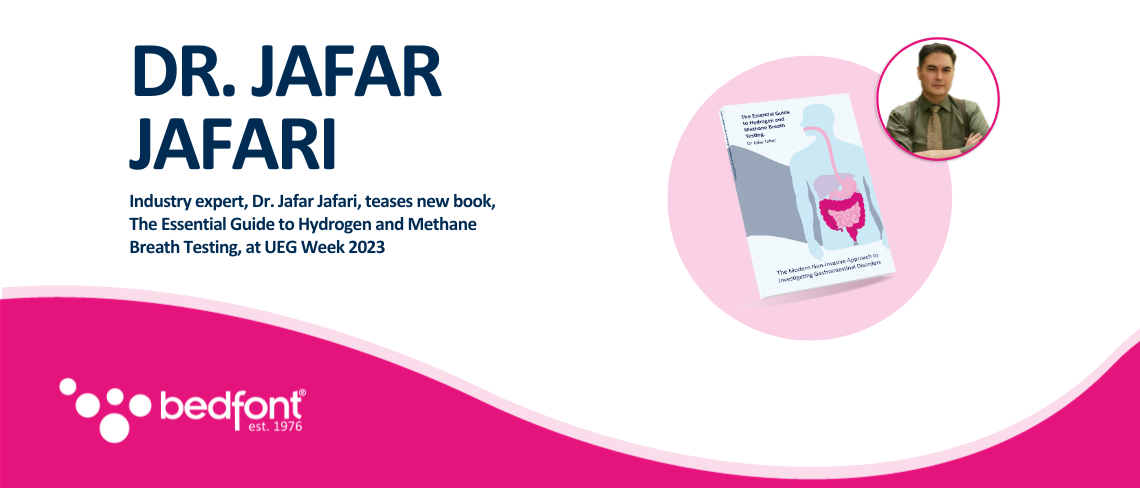
Dr Jafar Jafari, Head of Upper GI Physiology Service at Guy’s and St Thomas’, announces new book in the works highlighting the benefits of HMBT

Dr. Jafar Jafari, expert in the field of gastroenterology, is excited to announce the forthcoming release of his groundbreaking book, “The Essential Guide to Hydrogen and Methane Breath Testing.” at one of the largest Gastroenterology congresses in the world, UEG Week 2023.

Gastrointestinal disorders affect millions of individuals globally, impacting their quality of life and often leading to substantial healthcare costs. Dr Jafari’s new book offers “A Modern Approach to Investigating Gastrointestinal Disorders”, shining a light on the transformative potential of Hydrogen Methane Breath testing (HMBT) to aid in the diagnosis and treatment of various gastrointestinal conditions.

In this comprehensive and expertly researched book, Dr. Jafari delves deep into the science behind HMBT, exploring its role in reshaping the way we understand and manage gastrointestinal health. This book will be published in 2024, and will be published in partnership with leading medical device manufacturer, Bedfont® Scientific Ltd.

Jason Smith, Managing Director at Bedfont®, comments, “We are excited to be working with Dr Jafari on the upcoming release of his new book, we believe it will really help healthcare professionals to unlock the potential of HMBT in Gastroenterology.”

Dr. Jafari, explains, “I have the opportunity to share my knowledge and passion for gastrointestinal health with the next generation of healthcare professionals. This book is a culmination of my experiences, insights, and dedication to the field. I hope it serves as a valuable practical resource for those seeking a deeper understanding of hydrogen and methane breath testing, ultimately leading to improved patient care and outcomes.”

While the official book launch is scheduled for 2024, attendees of UEG 2023 will have the opportunity to get a sneak peek at the book’s content and meet the author, Dr. Jafar Jafari. They can also engage in discussions about the book’s content, its implications for the field, and the future of gastroenterology. This year, UEG 2023 takes place on October 14 – 17, at the Bella Center in Copenhagen; Dr. Jafari will be at Bedfont’s stand, C3-70.

Since 1997, April has been designated as IBS Awareness month by IFFGD (International Foundations for Gastrointestinal Disorders) and listed on the National Health Observances calendar1. This date gives the ability to impact positive outcomes such as providing additional research, increased educational opportunities, and improved patient care for the functional gastrointestinal community1.

Irritable bowel syndrome (IBS) is a common condition that affects the digestive system, causing symptoms such as stomach cramps, bloating, diarrhoea and constipation. Irritations tend to come and go over time and can last for days, weeks or months at a time2. In England and Wales, the number of people consulting for IBS is estimated to be between 1.6 and 3.9 million3. Unfortunately, although it is fairly common, IBS goes relatively undiagnosed and people are unaware that their symptoms indicate a medically recognized disorder1.

Traditional investigational methods can include invasive blood tests and lengthy waiting times for bloodwork analysis and results. Despite the fact that there is no direct test for IBS, the Gastrolyzer® range by Bedfont® Scientific Ltd. offers a quick and non-invasive breath analysis tool that can help when investigating a patient’s symptoms.

Hydrogen and Methane Breath Testing (HMBT) with the Gastrolyzer® range works by measuring exhaled levels of H2 & CH4 produced when the bacteria in the gut breaks down food. Interpreting these gas levels can help determine and/or rule out gastrointestinal disorders, such as carbohydrate malabsorption and sugar intolerances.

With results promptly displayed onscreen, it reduces the time of your patient’s discomfit, making HMBT an ideal tool for doctors, dietitians, and gastroenterologists.

All the necessary information about how you can help your patients with the Gastrolyzer® range products can be found on our website, https://www.gastrolyzer.com.

References:

1. Ibs awareness month [Internet]. About IBS. 2022 [cited 2023Mar6]. Available from: https://aboutibs.org/living-with-ibs/ibs-awareness-month/

2. NHS choices. NHS; [cited 2023Mar6]. Available from: https://www.nhs.uk/conditions/irritable-bowel-syndrome-ibs/

3. Irritable bowel syndrome [Internet]. NICE. 2015. [Cited 10th March 2023]. Available from: https://www.nice.org.uk/guidance/qs114/documents/irritable-bowel-syndrome-in-adults-qs-briefing-paper2

April is IBS Awareness month, which first began in 1997 when IFFGD (International Foundation for Gastrointestinal Disorders) wanted to steer focus toward providing health messages about the diagnosis, treatment, and life’s difficulties that come with IBS. (1) Although there is no direct test for IBS, traditional investigational methods can include invasive blood tests and lengthy waiting times for bloodwork analysis and results, meaning a longer time for your patients’ discomfort. With the Gastrolyzer® range of hydrogen and methane breath tests, IBS can be investigated both quickly and non-invasively.

Irritable Bowel Syndrome, commonly referred to as IBS, is a condition affecting approximately 1 in 20 people in the UK, causing symptoms such as stomach cramps, bloating, diarrhoea and constipation. These tend to come and go over time and can last for days, weeks, or months at a time. (2)

Unfortunately, although it is fairly common, IBS goes relatively undiagnosed and people are unaware that their symptoms indicate a medically recognized disorder.

Hydrogen and Methane Breath testing (HMBT) with the Gastrolyzer® range of breath analysis monitors can help to quickly and non-invasively detect and investigate IBS as well as other gastrointestinal disorders such as lactose intolerance, sugar intolerance, and SIBO (small intestinal bacterial overgrowth).

The Gastrolyzer® range works by measuring exhaled levels of hydrogen and methane produced when the gut breaks down food. Interpreting these gas levels can help to determine gastrointestinal disorders like IBS.

Both of these devices are ideal tools for doctors, dietitians, and gastroenterologists. Please see our website https://www.gastrolyzer.com for all the necessary information on how you can help your patients with our range today.

References:

1. International IBS Awareness Month [Internet]. International IBS Awareness Month. 2022 [cited 20 April 2022]. Available from: https://www.nicswell.co.uk/events/international-ibs-awareness-month-2022

2. Irritable bowel syndrome (IBS) [Internet]. nhs.uk. 2022 [cited 20 April 2022]. Available from: https://www.nhs.uk/conditions/irritable-bowel-syndrome-ibs 

Bedfont® presents its new Hydrogen and Methane Breath Testing Home Kits in association with GI Cognition

With the pandemic of COVID-19 bringing a halt to most medical tests and procedures, it has highlighted a need to safely, easily, and remotely find a way for health services to continue treating their patients, especially in the field of Gastroenterology. Global breath analysis manufacturer, Bedfont® Scientific Ltd., has teamed up with GI Cognition to do just that in launching its new Hydrogen and Methane Breath Testing (HMBT) ‘Home Kits’ to help improve Gastric Health remotely.

Known for their innovative medical devices, Bedfont® brings their 32 years of Hydrogen and Methane monitoring knowledge and has created a simple and patient-friendly HMBT Home Kit, which allows patients to be tested remotely for many digestive issues, including food intolerances, IBS, and SIBO. The Home Kits will be distributed by GI Cognition; a UK network of qualified GI physiologists, providing a unique and innovative mobile gastrointestinal physiology service.

According to NICE, IBS prevalence in the UK population is estimated to be between 10% and 20%1 and SIBO affects 1 in 7 according to the London Gastroenterology Centre2. GI Cognition was first established to ease the pressure on UK hospitals that deal with long waiting times and convoluted processes for their gastroenterology outpatients. By teaming up with Bedfont® to offer HMBT Home Kits, they can not only accomplish this but also help Bedfont® to raise awareness of gastrointestinal health and give the patient more knowledge and control of their own gastric health.

Dr. Jafar Jafari, Head Of Upper GI Physiology Service at Guys and St Thomas Hospital, and Executive Director at GI Cognition, explains, “Hydrogen and methane breath testing is an invaluable tool in helping to detect gastrointestinal disorders, but unfortunately there are not enough qualified GI physiologists in the UK to meet the growing demand from patients and hospitals, causing a shortage of upper GI testing services, including HMBT; GI cognition was established to remedy this. We are excited to be working with Bedfont® on HMBT Home Kits to help bridge the gap.”

Jason Smith, Managing Director at Bedfont®, adds, “For some time there has been a need to help reduce the pressure on gastroenterology health services and with the pandemic, we decided to focus on developing the Home Kits sooner. Through remote breath analysis, more patients can be seen, without having to leave the comfort of their homes, meaning they can receive great care and stop living in discomfort by better understanding and taking control of their digestive health.”

References:

  1. Introduction | Irritable bowel syndrome in adults: diagnosis and management | Guidance | NICE [Internet]. Nice.org.uk. 2021 [cited 20 May 2008]. Available from: https://www.nice.org.uk/guidance/cg61/chapter/introduction#:~:text=IBS%20most%20often%20affects%20people,of%20IBS%20in%20older%20people.
  2. SIBO (Small Intestinal Bacterial Overgrowth) – Treating, Testing & Preventing [Internet]. London Gastroenterology Centre. 2018 [cited 20 May 2021]. Available from: https://www.gastrolondon.co.uk/overview-of-diagnosis-and-management-of-small-intestinal-bacterial-overgrowth/
Back to top