Almost 10 months after the National Institute for Health and Care Excellence (NICE), the British Thoracic Society (BTS), and the Scottish Intercollegiate Guidelines Network (SIGN) released an updated joint guideline for asthma care and management, a major milestone has been hit. Over 1 million people are now using combination inhalers instead of relying solely on blue reliever inhalers, marking a major shift towards inflammation-focused asthma management.1

Why does this matter?

Previously, many people living with asthma relied on their blue reliever inhaler, which relieved symptoms, making them feel better quickly. The problem with this was that whilst symptoms were being addressed, the underlying airway inflammation, the main driver of their symptoms, was not being treated. If the inflammation is not treated, symptoms continue to recur, damaging quality of life and increasing over-reliance on medication.1

The problem with symptom-led asthma care.

Patients who rely heavily on Short-Acting Beta-Agonist (SABA) inhalers (rescue inhalers) may report feeling well and believe that their asthma is well controlled because regular use of their inhaler keeps their symptoms at bay.1 When, in reality, this reliance is masking the underlying issue: airway inflammation.
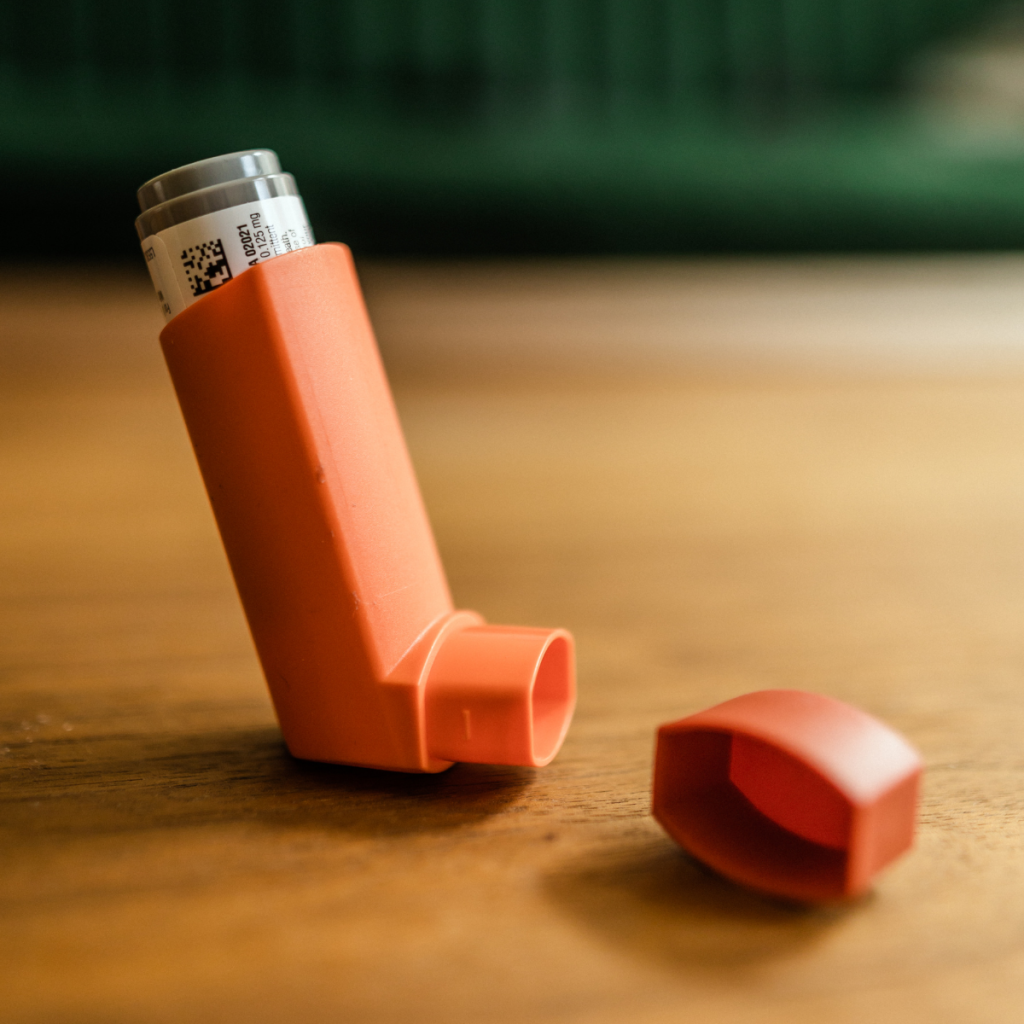
Combination Asthma Inhaler - FeNO and modern asthma care
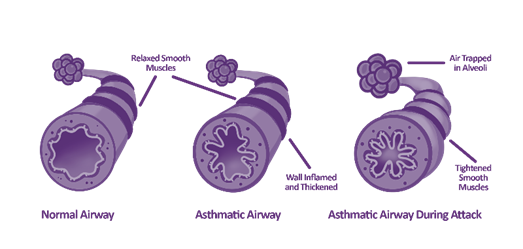
Airway Inflammation Infographic

Airway inflammation cannot always be felt, and if left untreated, it could lead to further exacerbations, including asthma attacks.

The shift towards prevention-focused care.2

The update to the guideline placed greater emphasis on treating the underlying inflammation rather than just the symptoms, demonstrating an evolution in asthma care. The updated guidance reflects:

  • Earlier anti-inflammatory treatment,
  • Reduced SABA reliance,
  • Prevention of exacerbations,
  • More proactive asthma management.

The impact of this guidance is clear: over 1 million people now use combination inhalers to relieve symptoms and treat underlying inflammation, a significant milestone for asthma care.1

Why objective insight matters.

During routine asthma reviews, patients are typically asked about their symptoms, which rely on patient recall. Typically, people with asthma downplay their symptoms, believing that what they experience is typical of their condition.3

And whilst peak flow remains a useful tool in asthma care, it alone may not provide the full picture. It measures airflow obstruction, rather than the inflammatory activity driving asthma, demonstrating the need for objective assessment, because better asthma care starts with better insight.

The role of FeNO testing.2

Fractional exhaled Nitric Oxide (FeNO) testing provides an objective tool to measure airway inflammation. It is non-invasive, easy to do at the point of care and supports:

  • Diagnosis,
  • Inhaled corticosteroid (ICS) decisions,
  • Adherence assessment,
  • Monitoring,
  • Evaluation of exacerbation risk.

Aligning with the latest guidance, FeNO supports the move towards more personalised, biomarker-driven asthma care.

The NObreath® FeNO device.

The NObreath® is a modern FeNO device; it is portable and easy to use, making it perfect for primary care. Clinicians can measure a person’s airway inflammation in a short amount of time, fitting perfectly into a standard healthcare appointment. This objective insight enables clinicians to make informed decisions there and then without the need for a follow-up appointment to discuss results.

Combined with an extensive clinical history, a FeNO test with the NObreath® can aid in an asthma diagnosis and tailor treatment appropriately, providing enhanced asthma monitoring.

Precision medicine and the future of asthma care.2

Guidelines are updated as technology and research evolve to improve patient care. The latest guideline from NICE/BTS/SIGN marked a move towards:
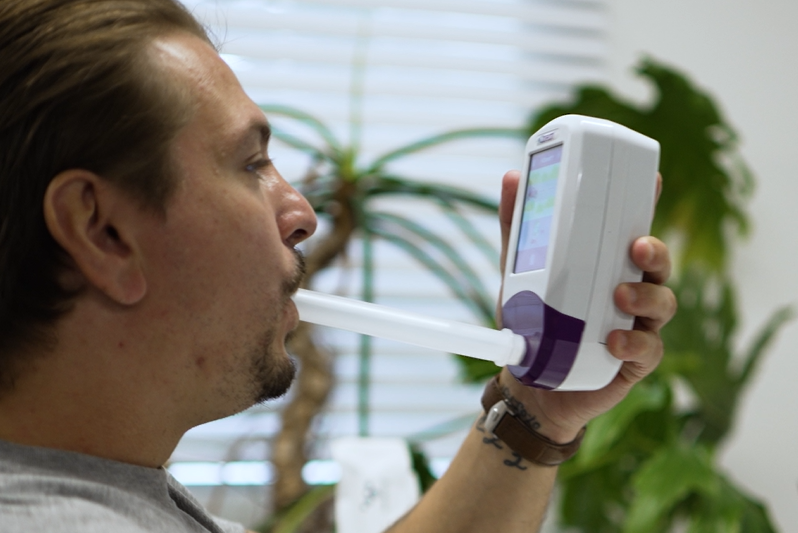
Taking a FeNO test with the NObreath
  • Precision medicine,
  • Biomarkers
  • Personalised pathways
  • Earlier intervention,
  • Better outcomes.

The move towards combination inhalers marks more than a treatment change; it represents a broader evolution in how asthma is understood and managed. Objective insight can provide clinicians with a better understanding of what is going on beneath the surface, with FeNO testing supporting this objective insight and supporting future asthma care.

As asthma care continues to evolve, understanding airway inflammation will become increasingly important in helping clinicians deliver a more personalised and proactive approach.

To learn more about the NObreath® device and how FeNO testing is improving patient outcomes worldwide, visit the website here.

References

  1. “I no longer feel asthmatic”: more than a million people now using new style inhalers [Internet]. NICE website: The National Institute for Health and Care Excellence. NICE; 2026. Available from: https://www.nice.org.uk/news/articles/-i-no-longer-feel-asthmatic-more-than-a-million-people-now-using-new-style-inhalers
  2. National Institute for Health and Care Excellence. Overview | Asthma: diagnosis, monitoring and chronic asthma management (BTS, NICE, SIGN) | Guidance | NICE [Internet]. Nice.org.uk. NICE; 2024. Available from: https://www.nice.org.uk/guidance/NG245
  3. Bidad N, Barnes N, Griffiths C, Horne R. Understanding patients’ perceptions of asthma control: a qualitative study. European Respiratory Journal. 2018 May 17;51(6):1701346.

Tobacco kills more than 7 million people each year, including an estimated 1.6 million non-smokers exposed to second-hand smoke.1 It is estimated that tobacco costs the global economy more than $1.4 trillion a year in healthcare costs and lost productivity.2 This World No Tobacco Day, we are going to explore the appeal behind smoking tobacco and the healthcare burden it causes.

What is World No Tobacco Day?3

World No Tobacco Day is a global awareness event, held every year on the 31st May by the World Health Organisation (WHO). The event was created to draw global attention to the tobacco epidemic and the preventable deaths and diseases it causes. Each year follows a new theme; the theme for 2026 is Unmasking the appeal – countering nicotine addiction. Whilst global tobacco use has declined in recent years, its burden remains devastating.

The appeal: Why tobacco still attracts users.

Cigarette in a hand

Whilst evidence does not support this, smoking is still widely perceived as a stress reliever, with studies indicating that between 36-43% of people believe smoking helps manage stress, anxiety and depression. The truth is, smoking actually increases tension and lowers mental health in the long run.4

Marketing tactics have changed over the years with the introduction of vapes, flavoured products, and targeting youth and young adults, especially in low-income communities and regions with weaker tobacco regulations.

Together, these psychological misconceptions and evolving marketing strategies create a powerful and carefully engineered appeal. Nicotine products are framed as tools for coping, symbols of independence, or fashionable accessories, rather than addictive substances. These influences normalise use, particularly among younger and more vulnerable populations, making tobacco appear not only acceptable but desirable.

The health burden: What tobacco really costs.

Smoking tobacco has a direct impact on health and is linked to diseases like:5

  • Lung cancer,
  • Chronic obstructive pulmonary disease (COPD),
  • Coronary artery disease,
  • Stroke.

This doesn’t just impact the smokers themselves; non-smokers are also affected by second-hand smoke, leading to a significant impact on healthcare systems worldwide.

Smoking-related hospital admissions and care in the UK alone cost the NHS £1.9 billion each year, signifying an urgent need for change.6

What needs to change?

There are many contributing factors that could change and improve outcomes worldwide, and whilst there are already various initiatives in place, such as:

  • Plain packaging,
  • Smoke-free zones,
  • Less advertisement.

More can be done across the board to remove the appeal.

Awareness campaigns like World No Tobacco Day help to raise awareness of the significant impact smoking can have on health and economic costs. Additionally, smoking cessation programmes can provide support for those looking to quit smoking. These services can educate smokers on the long-term benefits of quitting smoking as well as highlight tools which can aid a quit attempt. One of those tools is carbon monoxide (CO) monitoring.

What is CO monitoring?

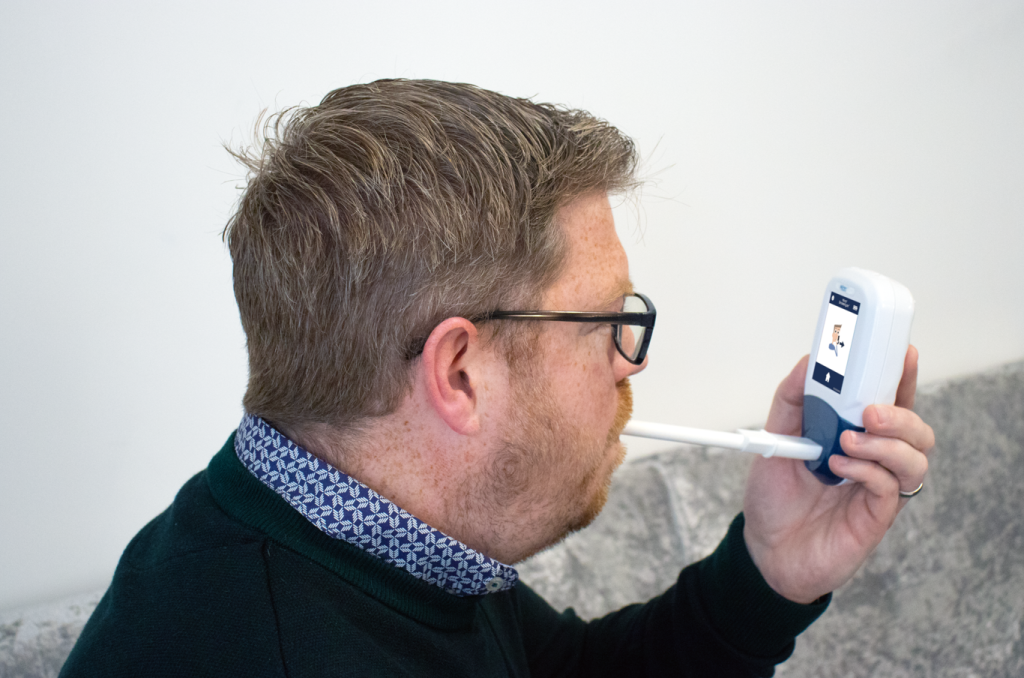
Taking a CO test with the Smokerlyzer

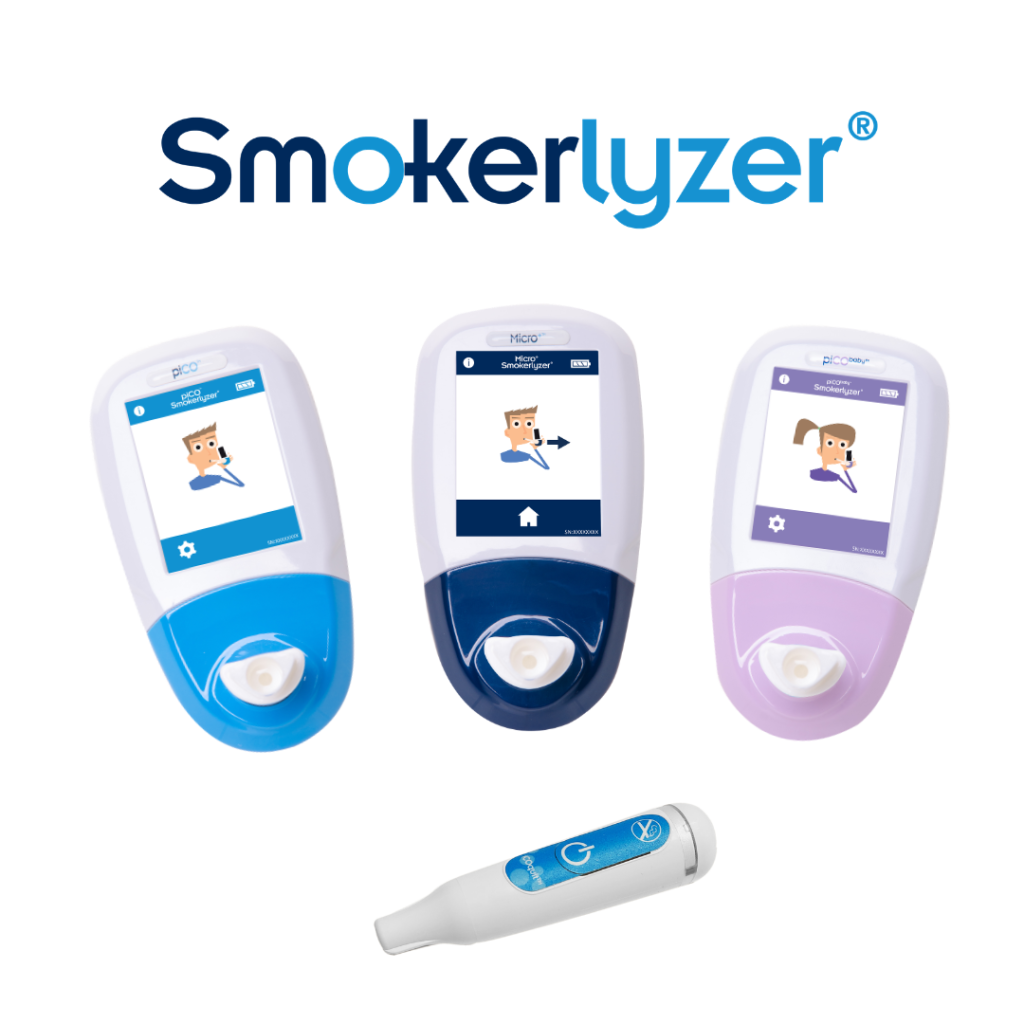
When someone smokes tobacco, they inhale CO, which enters their bloodstream and reduces oxygen delivery around the body.7 A CO monitoring device like the Smokerlyzer® measures CO levels in a person’s exhaled breath. The Smokerlyzer® is widely used across the world as a motivational tool to aid a quit-smoking attempt. Seeing CO levels drop empowers smokers to continue their quit-smoking journey.

Smokerlyzer Range

A 2012 study found that people who used a CO monitoring device reported feeling more motivated to quit smoking. Participants described how seeing their CO levels decrease over time provided clear, tangible evidence that their efforts were making a real difference. This immediate, visible feedback appeared to strengthen their commitment to quitting by reinforcing the health benefits of staying smoke-free and encouraging them to keep going, especially during moments of doubt or temptation.8

World No Tobacco Day 2026 is highlighting how the appeal to nicotine and tobacco addiction is engineered and not accidental. With healthcare and economic costs rising, it is vital that more is done to tackle the tobacco epidemic.

To learn more about the support available to aid a quit smoking attempt, visit the NHS website here.

To find out more about the Smokerlyzer® range and how it is helping people quit smoking for good, visit the website here.

References

  1. World Health Organization. Tobacco [Internet]. World Health Organization. World Health Organization; 2025. Available from: https://www.who.int/news-room/fact-sheets/detail/tobacco
  2. ‌US$ 1.4 trillion lost every year to tobacco use – New tobacco tax manual shows ways to save lives, money and build back better after COVID-19 [Internet]. www.who.int. Available from: https://www.who.int/news/item/12-04-2021-1.4-trillion-lost-every-year-to-tobacco-use-new-tobacco-tax-manual-shows-ways-to-save-money-and-build-back-better-after-covid-19
  3. ‌World. World No Tobacco Day 2026: Unmasking the appeal – countering nicotine and tobacco addiction [Internet]. Who.int. World Health Organization: WHO; 2025. Available from: https://www.who.int/news/item/17-10-2025-world-no-tobacco-day-2026–unmasking-the-appeal—countering-nicotine-and-tobacco-addiction
  4. ‌Perski O, Theodoraki M, Cox S, Kock L, Shahab L, Brown J. Associations between smoking to relieve stress, motivation to stop and quit attempts across the social spectrum: A population survey in England. Kaye JT, editor. PLOS ONE [Internet]. 2022 May 17;17(5):e0268447. Available from: https://journals.plos.org/plosone/article?id=10.1371/journal.pone.0268447
  5. ‌ASH. Smoking and Other Health Conditions – ASH [Internet]. ASH. 2025. Available from: https://ash.org.uk/resources/view/smoking-and-other-health-conditions
  6. ‌Action on Smoking and Health. Latest figures show cost of smoking in England up 25% to at least £21.8 billion [Internet]. ASH. 2024. Available from: https://ash.org.uk/media-centre/news/press-releases/latest-figures-show-cost-of-smoking-in-england-up-25-to-at-least-21-8-billion
  7. ‌Raub JA, Benignus VA. Carbon monoxide and the nervous system. Neuroscience and Biobehavioral Reviews [Internet]. 2002 Dec 1;26(8):925–40. Available from: https://pubmed.ncbi.nlm.nih.gov/12667497/
  8. ‌Beard E, West R. Pilot study of the use of personal carbon monoxide monitoring to achieve radical smoking reduction. Journal of Smoking Cessation. 2012 Jun;7(1):12-7.

Demonstrating innovations in respiratory and allergy diagnostics with the NObreath® and Gastrolyzer® range.

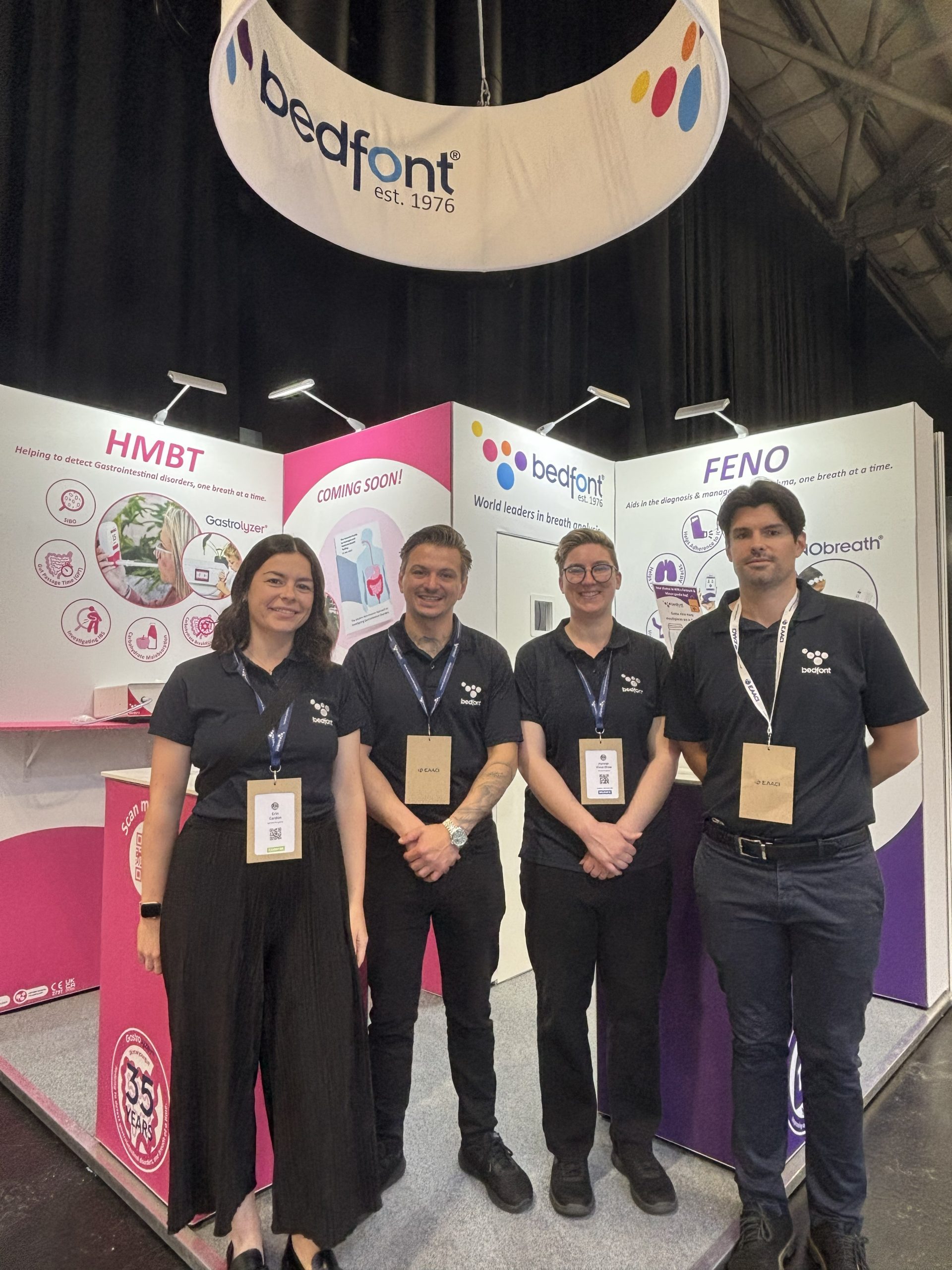
Bedfont® Scientific Ltd., an innovative leader in the medical breath analysis industry with almost 50 years of experience, is pleased to join thousands of healthcare experts at this year’s European Academy of Allergy and Clinical Immunology (EAACI) Congress 2026 at stand I03 to showcase its NObreath® and Gastrolyzer® range of non-invasive breath analysis devices.

The congress, taking place in Istanbul, Türkiye from Friday 12th to Sunday 14th of June, is widely recognised as the world’s largest and most influential meeting dedicated to allergy and clinical immunology. It brings together thousands of clinicians, researchers and healthcare professionals from across the globe each year to share new ideas and showcase innovations in diagnostics, playing a central role in advancing research, education and patient care in allergic diseases such as asthma and food allergy.

“Attending the EAACI Congress 2026 reflects our commitment to strengthening our global network. We look forward to connecting with like-minded organisations, sharing insights into our technology, and exploring new distribution partnerships with those seeking innovative solutions.” Said Jason Smith, CEO at Bedfont®. “We see EAACI as a key opportunity to build relationships that will drive future growth in the allergy and immunology space.”

The Bedfont® team is pleased to be joined by its Turkish distributor, Teknikel, to demonstrate its Fractional exhaled Nitric Oxide (FeNO) and hydrogen and methane breath testing (HMBT) technologies, highlighting how these innovative tools can support improved diagnosis, monitoring, and the management of respiratory and gastrointestinal conditions.

The team will be at stand I03, where you can find the NObreath® FeNO device, which has been improving asthma care and management for over 15 years, providing an objective insight into airway inflammation, a key driver of asthma symptoms. And the Gastrolyzer® range of HMBT devices, which have been aiding gastrointestinal investigation for over 35 years, enabling clinicians to tailor treatment effectively.

For Bedfont®, this congress is invaluable not only for showcasing its solutions but also for engaging with partners and stakeholders as it continues to advance technology and expand its global reach. To learn more, visit the website here.

Bedfont® Team at EAACI 2025

Bedfont® celebrates global expansion by delivering UK healthcare solutions to a growing global audience.

SEHTA Export Finalist - Bedfont® Recognised

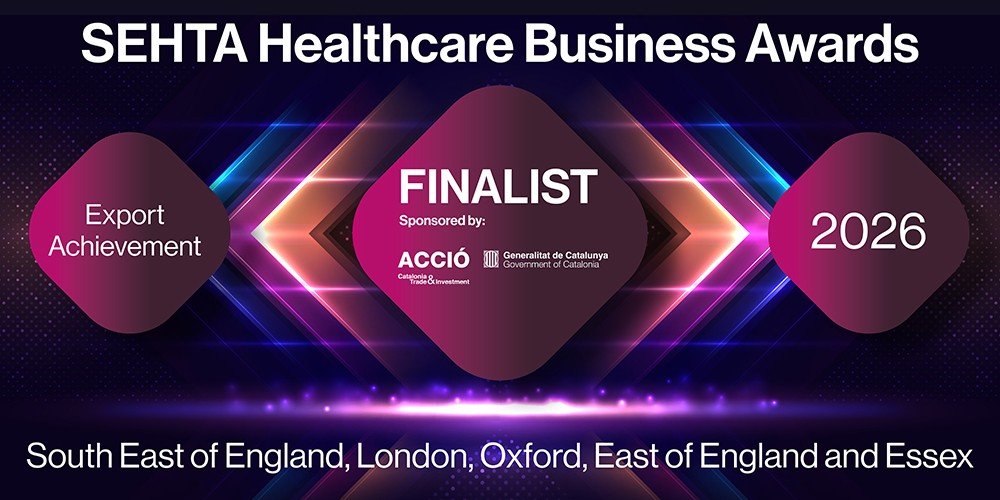
Bedfont® Scientific Limited, an innovative MedTech company that specialises in designing and manufacturing medical breath analysis devices, is thrilled to have been shortlisted in the Export Achievement category at the Science and Engineering Health Technologies Alliance (SEHTA) Healthcare Business Awards 2026.

The SEHTA Healthcare Business Awards are one of the South East’s leading healthcare innovation awards, celebrating excellence in healthcare, especially in life sciences and medical technology. Bedfont®, a world leader in breath analysis, has seen significant growth over the last decade and places a strong emphasis on international sales, with over 59% of export sales contributing to its annual turnover.

Jason Smith, CEO at Bedfont®, comments, “Being shortlisted for the Export Achievement award is a fantastic recognition of our team’s hard work and our mission to improve healthcare outcomes globally. Our international growth is a key part of our strategy, and we’re proud to represent UK innovation on the world stage.”

With a global network of over 100 distributors, Bedfont® prioritises long-term partnerships built on trust and collaboration. The company understands that entering new markets is a gradual process, requiring sustained investment in relationships and a tailored approach to each region. By adapting its service, support, and go-to-market strategy to local needs, Bedfont® ensures its solutions are both relevant and effective worldwide.

The awards ceremony, due to take place at Scale Space, Imperial College London, on Tuesday, 26th May, will bring together businesses across the South East to celebrate healthcare innovation. To find out more about Bedfont® and its innovative medical devices, visit the website here.

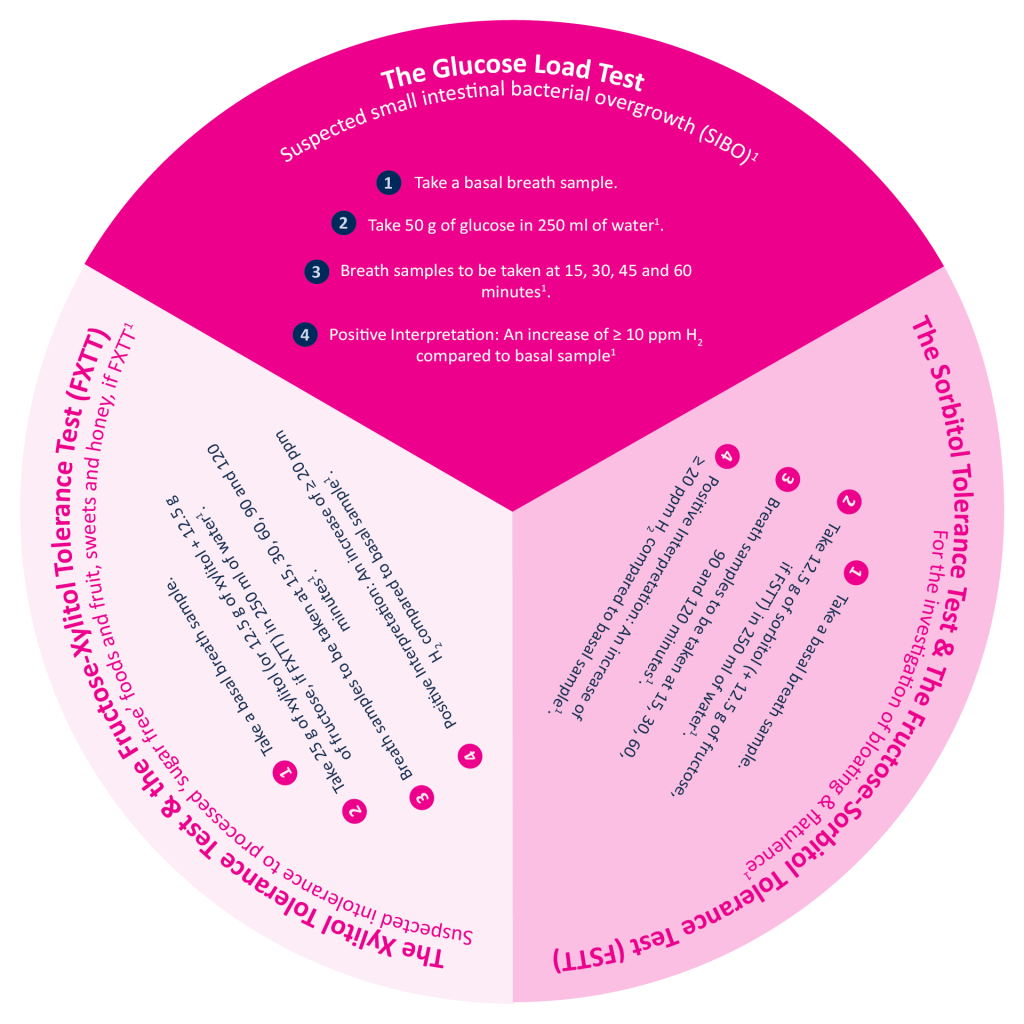
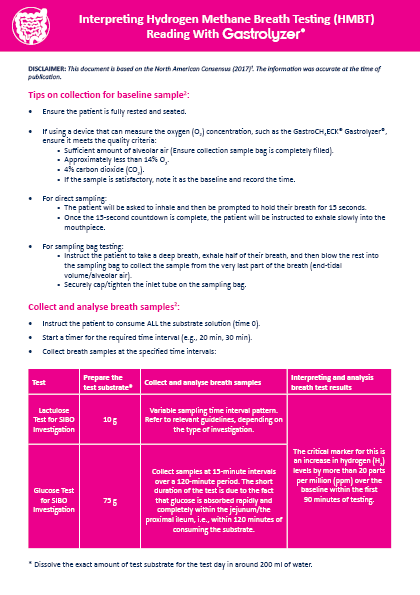
Included with every Gastrolyzer® range order, Bedfont® Scientific Limited provides practical resources designed to support and simplify hydrogen and methane breath testing (HMBT). One such resource was the interpretation wheel, which, until December 2025, offered clinicians a quick reference for interpreting Gastrolyzer® results. This resource has now evolved into a clear, A5 interpretation chart.

Gastrolyzer® Interpretation Chart

Why the update?

As part of the Bedfont® commitment to providing accurate, evidence-based clinical guidance, the interpretation resource has been updated to an A5 chart that offers a clear, concise, and practical reference for quick use during testing and reporting.

The new format includes tips for sample collection from ‘The Essential Guide to Hydrogen and Methane Breath Testing.’ A book by Dr Jafar Jafari, Head of Upper GI physiology at Guys & St Thomas’ Hospital, and a member of Bedfont’s Medical Advisory Board.

The new resource also aligns with the North American Consensus on HMBT.

What is the North American Consensus on HMBT1?

The North American Consensus on HMBT is a set of guidelines developed by a panel of North American experts in gastroenterology and breath testing. They address variation in practice and improve consistency, accuracy, and clinical relevance of breath test results.

Previously, breath testing practices varied significantly between clinics, which could lead to:

  • Inconsistent interpretation of results,
  • Confusion over cut-off values,
  • Reduced confidence in clinical decision-making.

The North American Consensus provides clear, agreed definitions and thresholds that help to ensure results are interpreted in line with recognised best practice.

Why clarity matters in interpretation tools.

Bedfont® understands that testing clinics are often under time pressure and that clear, concise, and simple interpretation resources are essential. That’s why its new interpretation resource is being supplied in an easier-to-read A5 chart format.

By aligning with recognised consensus guidance and prioritising clarity, the updated Gastrolyzer® interpretation chart is designed to help healthcare professionals provide confident interpretations promptly.

For more information on the Gastrolyzer® range, visit the website here.

Gastrolyzer® Interpretation Chart

References

  1. North American Consensus on Breath Testing. Rezaie, A., Lembo, A., et al. (2017). Hydrogen and Methane-Based Breath Testing Gastrointestinal Disorders: The North American Consensus. The American Journal of Gastroenterology, 112(5), 775-784.

Back to top